
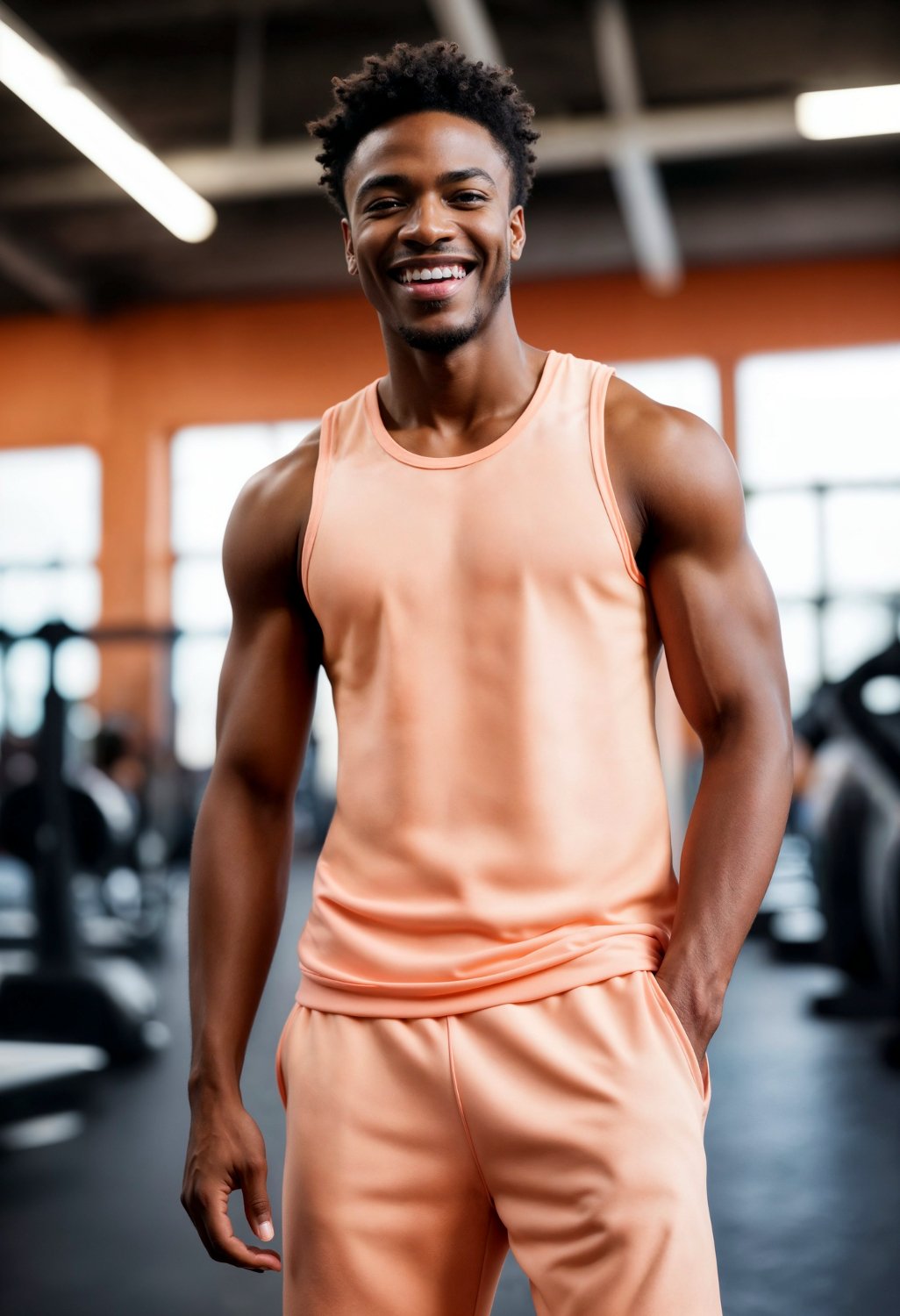
You’ve probably noticed it without putting words to it. The guy at the office who stays in shape gets invited to more meetings. The friend who transformed his body suddenly seems more magnetic in social settings.
At restaurants, stores, or casual gatherings, fit men navigate spaces differently—not because they’ve changed who they are fundamentally, but because the world responds to them with a different energy.

This isn’t about vanity or superficial judgment. It’s about something deeper: how physical presence shapes every human interaction, from the boardroom to the coffee shop. Fitness doesn’t just change your body—it changes the social physics around you.
Understanding why fit men are treated differently isn’t about feeding ego; it’s about recognizing a reality that affects career opportunities, relationships, self-perception, and daily quality of life.

Let’s explore what’s actually happening beneath the surface.
The Reality of Physical Presence
When we talk about fit men being treated differently, we’re describing a phenomenon that operates across cultures, industries, and social contexts. This isn’t limited to dating or nightclubs—it extends into professional environments, family dynamics, and even casual interactions with strangers.
A fit physique communicates several things simultaneously, often subconsciously. It suggests discipline, because maintaining fitness requires consistent effort most people struggle to sustain. It implies self-respect, signaling that you prioritize your wellbeing. It demonstrates capability—someone who can push through physical challenges likely handles other obstacles with similar resolve.
Think about walking into a job interview. Before you’ve spoken a word, your posture, how your clothes fit, and the energy you carry into the room are already telling a story. A man who’s physically fit typically enters with shoulders back, chin level, and a groundedness that comes from body awareness. This isn’t arrogance—it’s the natural confidence that emerges when you’re comfortable in your own skin.

The differential treatment isn’t always obvious or dramatic. It appears in subtle ways: slightly more attentive service, people holding eye contact longer, being included in conversations more naturally, or having your opinions weighted more seriously in group settings. These micro-interactions compound over time, creating vastly different life experiences.
The Science Behind Social Perception
Our brains make rapid assessments about people within milliseconds of seeing them. These snap judgments evolved as survival mechanisms—quickly determining who might be a threat, an ally, or a potential mate helped our ancestors navigate complex social hierarchies.
Physical fitness triggers several psychological responses in observers. First, there’s the halo effect: when someone excels in one visible area (physical condition), we unconsciously assume they possess other positive qualities like intelligence, reliability, or leadership ability. This cognitive bias isn’t logical, but it’s deeply embedded in human psychology.
Hormonal differences also play a role. Men who maintain consistent fitness typically have healthier testosterone levels, which influences not just physique but also vocal tone, facial structure, movement patterns, and even scent. These factors register subconsciously in social interactions, affecting how others respond to you.

Posture is particularly powerful. Regular strength training—especially compound movements—develops the posterior chain muscles that keep you upright. Good posture doesn’t just make you look taller; it changes how your voice projects, how much space you command, and how confident you appear. Research in social psychology consistently shows that people with better posture are perceived as more competent and trustworthy.
There’s also the element of symmetry and proportion. Fitness helps create more balanced body proportions, which humans find aesthetically pleasing across cultures. This isn’t about achieving some unrealistic ideal—it’s about your body looking like it functions well, which triggers positive associations.
Beyond appearance, fitness affects your actual behavior in ways that influence social treatment. Regular exercise improves mood regulation, reduces anxiety, and enhances cognitive function. A man who exercises consistently often speaks more clearly, makes better eye contact, and engages more confidently in conversations—not because he’s trying harder, but because he feels better.
How Differential Treatment Manifests in Real Life
Professional Environments
In workplace settings, fit men often experience advantages that have nothing to do with their actual job performance. They’re more likely to be considered for client-facing roles, leadership positions, and opportunities requiring “executive presence.” This isn’t fair, but it’s documented across multiple industries.
During presentations or meetings, a fit man’s suggestions might be taken more seriously, not because his ideas are better, but because his physical presence commands more attention. When salary negotiations happen, the confidence that often accompanies fitness can translate directly into better compensation.
Social Dynamics
At social gatherings, fit men typically navigate the room differently. People are more inclined to initiate conversations, maintain engagement, and remember them afterward. This creates a positive feedback loop—more social opportunities lead to better social skills, which leads to even more opportunities.
In group settings, leadership often gravitates toward those who appear most capable, and physical fitness serves as a visible proxy for capability. This happens in everything from organizing group trips to being asked for opinions on important decisions.
Romantic and Dating Contexts
This is the most obvious arena where fitness affects treatment, but it’s worth understanding the mechanisms. Physical attraction is partly biological (indicators of health and genetic fitness) and partly cultural (what your environment teaches you to value).
A fit man doesn’t just attract more initial interest—he enters dating situations with less anxiety and more authentic self-expression. This authenticity is often more attractive than the physique itself. The fitness is the foundation that enables the confidence that allows genuine personality to emerge.
Daily Interactions
Perhaps most striking is how fitness changes mundane daily interactions. Better service at restaurants and shops. More smiles from strangers. People holding doors, offering help, or simply being friendlier. These small moments accumulate into a qualitatively different experience of moving through the world.
Your clothes fit better, which means you don’t constantly adjust your shirt or feel self-conscious about your appearance. This mental bandwidth—freed from body-image anxiety—allows you to be more present in conversations and experiences.
The Psychological Transformation
The external treatment changes are real, but they’re often secondary to the internal transformation that fitness creates. This is where the real power lies.
When you commit to fitness and start seeing results, you prove something to yourself: you can set a goal and achieve it. This self-efficacy transfers to other life areas. The discipline that gets you to the gym at 6 AM is the same discipline that helps you finish difficult projects, learn new skills, or navigate challenging relationships.
Fitness provides immediate, tangible feedback. You lifted more weight than last week. You ran faster. You see definition where there was none. In a world where most goals are ambiguous and progress is hard to measure, this concrete evidence of improvement is psychologically powerful.
There’s also the stress management component. Physical exercise is one of the most effective ways to regulate cortisol and improve emotional resilience. A man who exercises regularly simply handles daily stressors better—he’s less reactive, more patient, and better at maintaining perspective.
This internal change affects how you carry yourself, which influences how others treat you, which reinforces your internal state. It’s a virtuous cycle that fitness initiates but extends far beyond the gym.
Common Mistakes and Misconceptions
Mistaking Fitness for Personality
The biggest mistake is thinking fitness alone makes you interesting or valuable. It doesn’t. Fitness is a foundation that makes everything else work better, but you still need to develop your mind, skills, relationships, and character. A fit man with nothing to say is just a well-maintained exterior.
Pursuing Unrealistic Standards
Social media has warped perceptions of what “fit” actually means. You don’t need 8% body fat and massive muscles to experience the benefits we’re discussing. Simply being in better shape than average—maintaining healthy body composition, reasonable strength, and good mobility—is enough to trigger most of the social responses described here.
Many men waste years chasing photoshopped ideals instead of achieving sustainable fitness that actually improves their lives.
Ignoring the Maintenance Reality
Getting fit requires effort, but staying fit is a lifestyle. Some men experience the benefits of fitness briefly, then return to old habits when they realize it’s an ongoing commitment. The differential treatment you experience while fit disappears when you stop maintaining it.
The key is building systems that make fitness sustainable rather than treating it as a temporary project with an end date.
Expecting Immediate Social Results
Fitness takes months to manifest visibly. Some men quit early because they don’t immediately experience different treatment. The timeline varies—typically, you’ll feel internal changes (better mood, energy, confidence) within weeks, but noticeable physical changes and corresponding social shifts take 3-6 months of consistent effort.
Using Fitness to Compensate for Deeper Issues
Fitness can’t fix a toxic personality, lack of empathy, or poor communication skills. Some men unconsciously use gym dedication to avoid addressing these harder personal development areas. You become a fit man with the same unresolved issues, just with better shoulders.
Practical Application: Leveraging Fitness Strategically
Training Approach
Focus on compound movements that build functional strength and natural proportions: squats, deadlifts, presses, rows, and pull-ups. These exercises develop the posterior chain that improves posture and creates the shoulder-to-waist ratio humans find impressive across cultures.
Consistency matters more than intensity. Three to four solid training sessions weekly, maintained for years, beats sporadic intense periods followed by breaks.
Include mobility work. Being fit but moving stiffly undermines many benefits. Fluid, confident movement comes from strength plus flexibility.
Nutrition for Presence
Visible fitness requires reasonable body composition. You don’t need extremely low body fat, but you should be lean enough that your structure is apparent. For most men, this means 12-18% body fat—athletic without being unsustainable.
Prioritize protein (0.8-1g per pound of body weight), whole foods, and adequate hydration. How you feel day-to-day affects your presence more than perfect macros.
Posture and Movement
Consciously practice good posture until it becomes unconscious. Stand tall, shoulders back but relaxed, chest open, chin level. This position should feel strong, not stiff.
Walk with purpose. A fit man who shuffles or moves tentatively undermines his physical presence. Your movement should suggest capability and confidence.
Grooming and Presentation
Fitness makes everything look better, but it’s not enough alone. Well-fitted clothes on a fit frame create a dramatically different impression than baggy or poorly tailored clothing.
Basic grooming—clean haircut, trimmed facial hair, minimal but present skincare—compounds with fitness to enhance overall presentation.
Energy Management
Physical fitness gives you more energy, but you need to manage it wisely. Adequate sleep, stress management, and recovery practices ensure you’re bringing your best energy to important interactions.
A fit but exhausted man doesn’t command the same presence as someone who’s fit and energized.
Lifestyle Integration: Beyond the Gym
Style and Wardrobe
Once you’re fit, clothes become tools rather than camouflage. You can wear simple, well-fitted basics and look put-together. A plain white t-shirt and jeans work differently on a fit frame than an out-of-shape one.
Invest in tailoring. Even affordable clothes look expensive when they fit properly on a good physique. The investment in fitness makes your clothing investment more effective.
Career and Professional Branding
In professional contexts, physical fitness contributes to your personal brand. It signals discipline, health-consciousness, and self-investment—qualities valuable in any field.
For client-facing roles, sales, or leadership positions, fitness can be a genuine competitive advantage. This doesn’t mean it should be—ideally, we’d judge people purely on competence—but understanding the reality helps you navigate it effectively.
Social Capital and Networking
Fitness expands your social access. You’re more likely to be included in active social activities—sports, hiking, physical hobbies—which often is where meaningful networking happens informally.
The confidence that comes with fitness makes you more willing to attend events, introduce yourself to strangers, and pursue opportunities that require self-assurance.
Relationship Dynamics
In existing relationships, improving your fitness often catalyzes positive changes in relationship dynamics. Partners may feel inspired to improve their own health. The confidence and mood improvements enhance communication and intimacy.
For single men, fitness expands your dating pool and increases the quality of potential matches. More importantly, it helps you enter dating situations from a position of genuine confidence rather than desperation or anxiety.
Mental Health and Emotional Resilience
The mood-regulating effects of exercise can’t be overstated. Regular physical activity is as effective as medication for mild to moderate depression and anxiety in many cases.
A fit man typically has better emotional regulation, which improves every relationship and interaction. People gravitate toward those who are stable, positive, and resilient.
Frequently Asked Questions
How long does it take to start experiencing different treatment after getting fit?
The timeline varies based on your starting point and consistency, but most men notice subtle changes in how others respond to them within 3-6 months of consistent training and nutrition. Internal changes—better mood, increased confidence, improved energy—often appear within 4-6 weeks and influence interactions immediately. Visible physical changes that trigger external responses typically take 12-16 weeks to become apparent to others. The most dramatic shifts in social treatment usually occur between months 6-12 of sustained effort, when your transformation becomes undeniable and your confidence has fully integrated with your new physique. Remember, this isn’t a light switch—it’s a gradual progression where each month compounds the previous one.
Does being fit really matter more than personality or professional skills?
No—fitness doesn’t replace personality, intelligence, or competence. However, it influences whether people give you the opportunity to demonstrate those qualities. Think of fitness as opening doors and improving first impressions, while your actual character and skills determine what you do once inside. In an ideal world, only merit would matter, but human psychology involves unconscious bias toward physical presence. Being fit creates a halo effect that causes people to listen more carefully to your ideas, remember you more positively, and give you more benefit of the doubt. The strategic approach is developing both: build genuine competence and character while also maintaining physical fitness that helps you showcase those qualities effectively.
What body fat percentage or muscle mass do you need to experience these benefits?
You don’t need extreme body composition to experience differential treatment. For most men, reaching 12-18% body fat with reasonable muscle development is sufficient to trigger the social responses described here. This is the “clearly fit but sustainable” range—athletic appearance without requiring unsustainable diet restrictions. The goal is looking like someone who takes care of themselves and has physical capability, not like a bodybuilder or fitness model. Building enough muscle to fill out clothes well (usually 15-25 pounds above your untrained baseline, depending on height) and being lean enough that your structure is visible makes the difference. Extreme conditioning (sub-10% body fat) isn’t necessary and often makes you look gaunt in regular clothes rather than impressive.
Can fitness alone fix social anxiety or low confidence?
Fitness is powerful for building confidence, but it’s not a complete solution for serious social anxiety or deep-rooted self-esteem issues. What fitness does exceptionally well is provide concrete evidence of your capability, improve your physical comfort in your body, and give you a foundation of self-efficacy that makes addressing other issues easier. Many men find that as they get fit, their anxiety reduces significantly because the physical discomfort and self-consciousness that fed the anxiety diminishes. However, if you have significant social anxiety, combining fitness with other approaches—therapy, social skills practice, gradual exposure—produces better results than fitness alone. Think of fitness as a catalyst that makes other personal development work more effective, not a replacement for it.
How do you maintain the benefits long-term without fitness consuming your entire life?
Sustainable fitness requires finding the minimum effective dose for your goals, then building systems that make it effortless. For most men, 3-4 training sessions per week (45-60 minutes each), basic nutritional habits (adequate protein, mostly whole foods, reasonable portions), and 7-9 hours of sleep create and maintain an impressive physique without dominating your schedule. The key is shifting from “doing fitness” to “being someone who’s fit”—where training is a non-negotiable part of your routine like brushing teeth, not something you constantly debate. Meal preparation systems, home gym equipment, or conveniently located facilities reduce friction. Once you’ve built the physique, maintenance requires less intensity than building it did. Many fit men maintain their condition with 2-3 weekly sessions once they’ve reached their goals, having made sustainable nutrition choices their default rather than a constant effort.
Conclusion
Understanding why fit men are treated differently isn’t about feeding superficiality—it’s about recognizing a reality that affects every area of life. Physical fitness creates a foundation of confidence, discipline, and presence that opens doors professionally, enriches relationships, and fundamentally changes your daily experience of moving through the world.
The differential treatment is real, measurable, and consistent across cultures and contexts. It stems from deep psychological mechanisms about how humans assess capability, trustworthiness, and attractiveness. While this reality isn’t entirely fair, understanding it gives you agency to navigate it effectively.
But here’s what matters most: the greatest benefits of fitness aren’t actually how others treat you—they’re how you feel about yourself. The external changes are pleasant side effects of the internal transformation. When you prove to yourself that you can commit to something difficult and achieve it, when you experience the mental clarity and emotional resilience that fitness provides, when you move through life with less pain and more capability—that’s where the real value lives.
Start wherever you are. You don’t need to transform overnight or achieve some perfect physique. Begin with sustainable habits: move consistently, eat reasonably well, prioritize recovery. Build slowly and focus on progress rather than perfection. The compounding effects will surprise you—not just in how others respond, but in how you show up for yourself and the people who matter to you.
Your body is the vessel through which you experience everything in life. Treating it with respect and developing its capabilities isn’t vanity—it’s foundational self-care that enhances everything else you’re trying to accomplish. The world will treat you differently when you’re fit, yes. But more importantly, you’ll treat yourself differently. And that changes everything.