
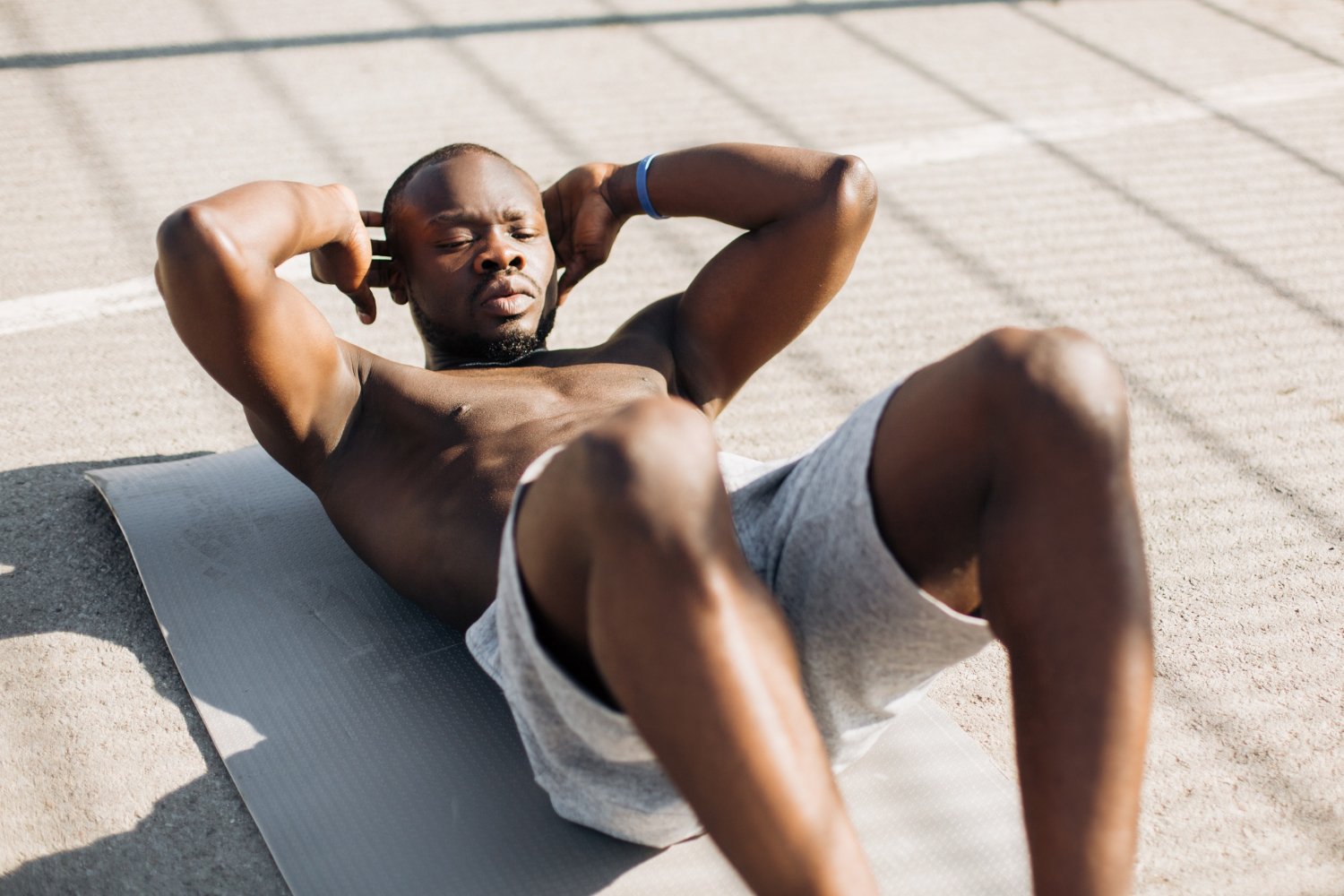
You’ve seen it happen. A guy disappears for six months, then returns looking completely different—not just physically, but energetically. He carries himself differently. He speaks with more certainty. He attracts different attention. People treat him with more respect, even before knowing he’s been hitting the gym.
This transformation isn’t just about muscle or fat loss. Fitness triggers a cascade of changes that touch every aspect of a man’s life: how he looks, how he feels, how others perceive him, and ultimately, who he becomes.

While other forms of self-improvement offer incremental gains—a better wardrobe, a new haircut, improved social skills—fitness operates as a foundational upgrade that amplifies everything else. It’s the ultimate glow-up because it changes you from the inside out, creating visible, measurable transformation that radiates into every corner of your existence.
The Foundation: Why Fitness Transforms Everything
Most self-improvement strategies work on the surface. You can learn better conversation skills, upgrade your wardrobe, or change your hairstyle—all valuable adjustments. But fitness operates at a deeper level. It changes your biology, your psychology, and your daily reality simultaneously.

When you commit to fitness, you’re not just changing how you look. You’re restructuring your hormone profile, improving your brain chemistry, building discipline through daily action, creating a success feedback loop, and establishing a foundation that makes every other improvement easier.
Think about the guy who starts working out consistently. Within weeks, his testosterone levels begin optimizing. His cortisol—the stress hormone—regulates. His sleep improves, which affects recovery, decision-making, and emotional regulation. His posture shifts as he develops stronger muscles. His face changes as he loses fat and gains definition. His energy levels stabilize throughout the day.
But here’s what makes fitness truly transformative: these changes compound. Better sleep leads to better workouts. Better workouts lead to better body composition. Better body composition leads to increased confidence. Increased confidence leads to better social interactions. Better social interactions reinforce your commitment to fitness. You’ve created an upward spiral.
This is why fitness stands apart from other self-improvement approaches. It doesn’t just add a skill or change your appearance—it rewires how you operate in the world.

The Science Behind the Transformation
The physical and psychological changes that come from consistent training aren’t just motivational platitudes—they’re biological realities backed by substantial research.
Hormonal optimization happens within weeks of starting a proper training program. Resistance training increases testosterone production and improves testosterone-to-cortisol ratios. This hormonal shift affects far more than muscle growth. Testosterone influences confidence, decision-making, risk tolerance, libido, and mental clarity. When you optimize your hormones through training, you’re literally changing your brain chemistry in ways that affect personality and behavior.
Neuroplasticity and mental health improve dramatically with exercise. Physical training increases brain-derived neurotrophic factor (BDNF), which supports neuron growth and protection. Regular exercise has been shown to be as effective as medication for mild to moderate depression and anxiety. The mental health benefits aren’t just about “feeling good after a workout”—they’re about fundamental changes in brain structure and function.
Posture and presence change as your body develops. Developed upper back muscles pull your shoulders into proper alignment. Stronger glutes and core stabilize your pelvis and spine. This improved posture doesn’t just make you look taller and more confident—it actually influences how you feel. Research shows that adopting powerful postures increases testosterone and decreases cortisol, creating a biological feedback loop between how you carry yourself and how you feel internally.

Facial changes occur as you lose fat and build muscle. Your jawline becomes more defined. Your face appears more angular and masculine. These aren’t superficial changes—facial structure significantly influences first impressions and attractiveness ratings. The face you present to the world literally transforms through consistent training and proper nutrition.
Metabolic improvements extend beyond the gym. Better insulin sensitivity, improved cardiovascular function, increased mitochondrial density, and enhanced fat oxidation mean you feel better throughout the day. You have more stable energy. Your body becomes more efficient at everything it does. This metabolic upgrade affects your productivity, mood, and overall life quality.
The Visible Transformation: Physical Changes People Notice
The physical glow-up from fitness is the most obvious transformation, but it’s more nuanced than simply “getting bigger” or “losing weight.”
Body composition changes create the most dramatic visual impact. As you lose fat and build muscle, your body’s shape fundamentally changes. Your shoulders broaden and become more defined. Your waist becomes trimmer, creating a V-taper. Your arms develop shape and size that fills out sleeves properly. Your chest gains dimension. Your legs develop proportion that balances your upper body. These changes make clothes fit better, photos look better, and your presence in a room become more commanding.
Facial transformation is often underestimated. Losing even 10-15 pounds of fat can dramatically change your face. Your jawline emerges from softness. Your cheekbones become visible. Your eyes appear more vibrant against a leaner face. Your neck becomes more defined, changing how your head sits on your shoulders. Many men don’t realize how much facial fat they carry until they lose it—and the difference in attractiveness and perceived age can be stunning.
Skin quality improves with consistent exercise and proper nutrition. Better circulation brings more nutrients and oxygen to your skin. Sweating regularly helps clear pores. Improved sleep supports skin repair. Better hormonal balance can reduce acne and inflammation. The result is clearer, healthier-looking skin that contributes to an overall more vibrant appearance.
Posture and movement change as your body strengthens. You stop slouching because your back muscles naturally hold you upright. You move with more coordination and athleticism. Your gait becomes more confident. These movement patterns signal vitality and capability to everyone who sees you.
Hair and grooming even benefit indirectly. Better nutrition supports hair health. Increased confidence often leads men to pay more attention to grooming. The physical discipline of fitness tends to spill over into other areas of self-care.
The Invisible Transformation: Psychological and Emotional Changes
The mental and emotional glow-up from fitness might be even more powerful than the physical changes, though less immediately visible.
Confidence becomes earned, not fabricated. When you’ve pushed through difficult workouts, progressively lifted heavier weights, and seen your body transform, your confidence rests on real achievement. This differs fundamentally from fake-it-till-you-make-it confidence. You’ve proven to yourself that you can set goals and achieve them, endure discomfort for future gain, and control outcomes through consistent effort. This deep confidence affects everything from job interviews to dating to difficult conversations.
Discipline becomes a transferable skill. The ability to show up to the gym when you don’t feel like it, to choose protein and vegetables over pizza, to stay consistent over months and years—this builds discipline that extends far beyond fitness. Men who develop fitness discipline often report improvements in career performance, financial habits, relationship quality, and personal projects. The gym becomes a training ground for life discipline.
Emotional regulation improves dramatically. Exercise provides a healthy outlet for stress, anxiety, and frustration. The endorphin release from training creates natural mood elevation. Better sleep and hormone balance stabilize emotions. Many men report that fitness gives them a tool for managing emotions that they previously lacked—instead of spiraling into anxiety or anger, they can go train and return with clarity.
Self-image fundamentally shifts. You begin to see yourself as someone who takes care of himself, who invests in his future, who has standards. This identity change influences countless micro-decisions throughout your day. You start asking “what would the version of me who’s getting in shape do?” and making choices accordingly.
Mental toughness develops through progressive overload—the principle of gradually increasing difficulty. Every time you attempt a weight you weren’t sure you could lift, push through the last difficult reps, or finish a workout when exhausted, you’re building mental resilience. This toughness transfers to professional challenges, difficult conversations, and life obstacles.
Practical Application: The Glow-Up Blueprint
Understanding why fitness transforms you is one thing. Actually executing the transformation requires a strategic approach.
Start with realistic expectations and proper timeline. Significant visible changes require 12-16 weeks minimum. A complete glow-up transformation—the kind where people do double-takes—typically takes 6-12 months. Set short-term milestones (monthly strength goals, weekly consistency targets) while keeping your eye on the longer transformation.
Training should balance aesthetics, strength, and functionality. Your program needs compound movements for overall development: squats, deadlifts, bench press, overhead press, rows, and pull-ups form your foundation. Add targeted isolation work for areas that matter for appearance: lateral raises for shoulder width, bicep and tricep work for arm development, and core training for waist definition. Train 4-5 days per week with proper intensity—hard enough to challenge your body, not so hard you can’t recover.
Nutrition drives the visible transformation. You cannot out-train a bad diet. For fat loss, maintain a moderate caloric deficit (300-500 calories below maintenance) while prioritizing protein (0.8-1g per pound of body weight). For muscle building, eat in a slight surplus (200-300 above maintenance) with the same protein focus. Regardless of goal, emphasize whole foods: lean proteins, vegetables, fruits, whole grains, and healthy fats. Stay hydrated. Allow flexibility for social eating without derailing progress.
Recovery is where transformation actually happens. Training provides the stimulus, but recovery is when your body adapts. Prioritize 7-9 hours of quality sleep nightly. Manage stress through meditation, walks, or other practices. Take rest days seriously—active recovery like walking is fine, but allow your body to repair. Consider mobility work and stretching to maintain movement quality and prevent injury.
Track progress properly. Take photos monthly in consistent lighting and poses. Track key body measurements (waist, shoulders, chest, arms). Monitor strength progression on main lifts. Note how clothes fit. Don’t obsess over daily weight fluctuations—focus on multi-week trends. These objective measures keep you honest when subjective feelings about progress waver.
Create environmental support. Tell people about your goals—social accountability matters. Find a training partner or community. Prepare your environment: meal prep on Sundays, keep gym bag ready, remove junk food from your home. Make the healthy choice the easy choice.
Common Mistakes That Sabotage the Glow-Up
Many men start their fitness journey with enthusiasm but undermine their transformation through predictable errors.
Mistake one: Expecting immediate results. The most common cause of quitting is expecting dramatic changes in 2-4 weeks. Visible transformation requires months. Muscle growth happens slowly. Fat loss, done properly, takes time. Men who quit after a month never experience the compound effects that make fitness truly transformative. Understand that the first 8-12 weeks often feel like groundwork—you’re building habits, learning form, and creating the foundation. The dramatic visual changes come later.
Mistake two: Program hopping. Constantly switching programs, chasing the “perfect” routine, or following whatever new approach you saw online prevents progress. Your body needs consistent, progressive stimulus over months to transform. Stick with a solid program for at least 12-16 weeks before evaluating and adjusting. Consistency beats optimization every time.
Mistake three: Neglecting nutrition. Many men train hard but eat carelessly, then wonder why they don’t look different. You can’t significantly lose fat or build muscle without proper nutrition. Track your food for at least a month to understand your actual intake versus what you think you’re eating. The gap is often huge.
Mistake four: Training without purpose or intensity. Going through motions at the gym won’t transform you. Each session should have specific goals. Each set should be challenging. Progressive overload—gradually increasing weight, reps, or volume—must happen for your body to change. If you’re lifting the same weights for the same reps six months later, you’re not progressing.
Mistake five: Ignoring recovery and burning out. Some men, in enthusiasm, train six or seven days per week at high intensity, sleep poorly, manage stress poorly, and wonder why they feel terrible and look worse. Overtraining creates hormonal problems, increases cortisol, disrupts sleep, and can actually make you look worse. Recovery is not weakness—it’s strategic.
Mistake six: Comparing your chapter one to someone else’s chapter twenty. Social media shows you other men’s highlight reels, often enhanced with lighting, angles, filters, or even steroids. Comparing your early progress to someone else’s years of development kills motivation. Focus on being better than you were last month, not better than random people online.
Lifestyle Integration: The Holistic Glow-Up
The complete transformation extends beyond the gym into every aspect of how you live.
Style upgrade happens naturally. As your body changes, clothes fit differently. This often motivates men to upgrade their wardrobe. A better body makes even basic clothes look good, but pairing your improved physique with intentional style multiplies the impact. Invest in well-fitting basics: quality jeans, fitted t-shirts, properly tailored button-downs, and a good jacket. Your new proportions make these investments look significantly better than they would have before.
Grooming attention increases. Men who transform physically often start paying more attention to haircuts, skincare, facial hair, and overall presentation. This isn’t vanity—it’s coherence. When your body reflects investment and care, having unkempt hair or poor grooming creates dissonance. The glow-up works best when every element supports the others.
Social dynamics shift. You’ll notice people treating you differently—more respect from men, more attention from women, better service in stores and restaurants, increased professional opportunities. This isn’t shallow; it’s human nature. Physical presence influences how people unconsciously perceive competence, confidence, and status. Use this advantage ethically, recognizing that the same effort that built your body can build other valuable qualities.
Career and professional benefits emerge. Better energy and focus improve work performance. Increased confidence helps in presentations, negotiations, and leadership situations. The discipline demonstrated by physical transformation signals to employers and colleagues that you can set and achieve difficult goals. Some men report that their physical glow-up coincided with career breakthroughs, not coincidentally but because the same qualities that drove fitness success drove professional success.
Relationships improve across the board. Romantic relationships benefit from increased attractiveness and confidence. Friendships strengthen as you bring more energy and positivity. Even family dynamics can improve as relatives notice and respond to your transformation. The emotional regulation and mental health benefits of fitness make you a better partner, friend, and family member.
Mental health and life satisfaction increase. Depression and anxiety often decrease significantly. Life feels more manageable. You sleep better, handle stress better, and have more mental clarity for decision-making. Many men report that fitness gave them a sense of purpose and control that was missing from other areas of life.
The Compound Effect: Why Fitness Unlocks Everything Else
Here’s the profound truth about fitness as the ultimate glow-up: it doesn’t just change one thing—it creates a cascade of improvements that compound over time.
When you start training, you build discipline. That discipline helps you stick to better nutrition. Better nutrition improves your energy and sleep. Better sleep enhances recovery and mental clarity. Mental clarity helps you perform better at work. Better work performance increases income. Increased income allows investment in other areas—better clothes, better grooming, maybe even professional development. Each element reinforces the others.
Meanwhile, physical changes are happening. You look better, which increases confidence. Increased confidence improves social interactions. Better social interactions create opportunities. These opportunities—romantic, professional, social—provide motivation to maintain and improve your fitness. The upward spiral accelerates.
Compare this to isolated improvements. A new wardrobe makes you look better temporarily, but without the body to support it, the impact is limited. Better social skills help, but low confidence or poor energy undermines their effectiveness. Career development matters, but if you’re exhausted, unhealthy, and lacking discipline, progress stalls.
Fitness provides the foundation that makes everything else work better. It’s not that other improvements don’t matter—it’s that fitness creates the physical, mental, and emotional state where those other improvements can actually flourish.
FAQ: Your Fitness Glow-Up Questions Answered
How long does it take to see a real transformation from fitness?
Most men notice initial changes within 4-6 weeks: better sleep, more energy, slight physical changes, improved mood. Visible physical transformation that others notice typically requires 12-16 weeks of consistent training and nutrition. A dramatic “glow-up” where people don’t recognize you or do double-takes usually takes 6-12 months, depending on starting point. The timeline depends on consistency, starting body composition, training intensity, and nutrition quality. Remember: the time will pass anyway. Twelve months of dedicated effort creates changes that last a lifetime.
Can you achieve a complete glow-up with just home workouts?
Yes, though it requires discipline and progressive overload creativity. Bodyweight exercises, resistance bands, and basic equipment like dumbbells or kettlebells can build an impressive physique. The challenge is continually increasing difficulty as you get stronger. You’ll need to progress to harder exercise variations, add weight through vests or weighted backpacks, or increase volume significantly. Nutrition matters even more without access to comprehensive gym equipment. A gym makes the process more straightforward and offers more options, but home training can absolutely create transformation if you’re strategic and consistent.
What matters more for the glow-up: training or nutrition?
Both are essential, but they serve different purposes. Nutrition primarily drives body composition changes—fat loss and muscle gain depend heavily on caloric intake and protein consumption. Training builds muscle, improves posture, increases strength, and creates the hormonal and psychological benefits. You can’t out-train a terrible diet, but you also can’t eat your way to a transformed physique without training. For optimal glow-up, treat them as equal priorities. If forced to choose, nutrition drives visible changes slightly more, but the complete transformation requires both.
Will getting in shape actually improve my confidence and dating life?
Objectively, yes. Physical fitness improves attractiveness through better body composition, improved posture, facial changes from fat loss, and enhanced presence and energy. These changes increase romantic attention and options. More importantly, fitness builds genuine confidence through achievement, improves your mental and emotional state, enhances your social energy and charisma, and demonstrates that you have standards and take care of yourself. These qualities are attractive independent of physical appearance. Dating success comes from the complete package: physical improvement plus the psychological and emotional transformation.
How do I maintain motivation when progress feels slow?
Progress feels slow because you see yourself daily, making incremental changes invisible. Combat this by taking monthly progress photos in consistent lighting and comparing them, tracking objective measures like strength and body measurements, celebrating non-scale victories like better sleep or energy, surrounding yourself with supportive people or communities, and remembering why you started when motivation wanes. Also reframe your thinking: you’re not just working toward a goal, you’re becoming someone who lives this way. The glow-up isn’t a destination—it’s a lifestyle that gets easier and more rewarding over time.
Conclusion: Your Transformation Starts Now
The ultimate glow-up isn’t about becoming someone else. It’s about revealing the best version of yourself that’s always been there, buried under inconsistency, poor habits, and unrealized potential.
Fitness offers something rare in modern life: a guaranteed return on investment. Show up consistently, train with purpose, eat to support your goals, and recover properly—and your body will transform. Unlike career success, romantic relationships, or financial gains, which all involve factors beyond your control, your physical transformation is almost entirely in your hands.
The man you can become in twelve months of dedicated effort is almost unrecognizable from who you are today. Not just physically, though that change alone is dramatic. But psychologically, emotionally, socially—every dimension of your existence improves when you commit to fitness as a foundational practice.
You’ll carry yourself differently. People will treat you with more respect. You’ll have more energy for work, relationships, and pursuits that matter. You’ll sleep better, think more clearly, and handle stress more effectively. You’ll look in the mirror and like what you see. You’ll take photos without self-consciousness. You’ll try on clothes and have them actually fit well.
More than any of this, you’ll prove to yourself that you can set a difficult goal and achieve it. That you can endure discomfort for future gain. That you have discipline, commitment, and the ability to transform when you decide to. This psychological victory extends far beyond fitness—it changes how you approach every challenge for the rest of your life.
The ultimate glow-up doesn’t happen overnight. It happens in the accumulation of daily decisions: choosing the gym over the couch, protein over pizza, discipline over comfort. Each choice seems small in isolation. Compounded over months, they create transformation that people call miraculous.
Your transformation starts with a simple decision: that you’re worth the investment, that future you deserves the effort present you must make, and that you’re ready to become the man you’re capable of being. Everything else—the muscle, the fat loss, the confidence, the respect, the opportunities—flows from that commitment.
The best time to start was six months ago. The second best time is today. Your glow-up awaits.