

There’s a sweet spot in male physique development that most men actually want but few training programs explicitly target: the athletic look. Not the bodybuilder with arms that don’t fit through sleeves.
Not the powerlifter built for maximum strength regardless of aesthetics. Not the ultra-lean marathon runner with minimal muscle mass. The athletic physique sits in the middle—lean enough to show definition, muscular enough to look capable, proportioned to suggest speed and power rather than just size.
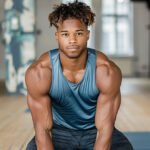
This is the physique of professional athletes in speed and skill sports, the build that looks equally good in a suit or swim trunks, the body type that signals fitness and capability without screaming “I live in the gym.” Achieving this look requires a fundamentally different training approach than typical bodybuilding programs.
It’s about building the right muscles in the right proportions, maintaining low body fat without getting excessively lean, and developing the movement quality and posture that make the difference between looking athletic and just looking fit.
Understanding the Athletic Aesthetic
Before you can build an athletic physique, you need to understand what distinguishes it from other body types and training outcomes.
The athletic look is characterized by specific visual markers that create an overall impression of functional capability. Broad shoulders with a defined taper create the V-shape that forms the foundation of athletic aesthetics. Visible muscle definition without excessive size means you can see muscle separation and shape, but nothing looks overdeveloped or disproportionate. A lean waist provides contrast with your shoulders and creates that crucial taper. Developed but not massive arms suggest strength without looking cartoonish. Strong, visible legs that balance your upper body without being overly thick. Low body fat (10-15%) that reveals muscle definition while maintaining a healthy, sustainable appearance.
Beyond these physical characteristics, the athletic look includes natural, fluid movement patterns that suggest coordination and body control, upright posture that makes you appear taller and more confident, and proportional development where no single muscle group dominates the overall silhouette.
Think about professional soccer players, NBA guards, Olympic sprinters, or actors who need to look capable but not bulky. Their bodies suggest explosive power, speed, and agility. They look like they could perform—run fast, jump high, move with coordination—not like they’re optimized purely for lifting weights.

The key distinction: athletic physiques are built for performance aesthetics, not maximum muscle mass. Every pound of muscle serves a visual purpose, creating lines and proportions rather than just adding size. This requires strategic training that emphasizes certain muscle groups while carefully managing others.
The Science of Athletic Proportions
The athletic look isn’t accidental—it’s rooted in specific proportional relationships that your training should deliberately create.
Shoulder-to-waist ratio is the most critical metric for athletic aesthetics. Research consistently shows that a ratio of approximately 1.6:1 (shoulders 60% wider than waist) is perceived as most athletic and attractive. This creates the V-taper that defines athletic builds. You achieve this through developed shoulders and back combined with a lean waist—not through making your waist artificially smaller, but by keeping it trim while building width above.
Arm-to-torso proportion matters more than absolute arm size. Arms should look balanced with your frame—developed enough to fill sleeves properly but not so large they appear disconnected from your body. A general guideline: your flexed arm circumference should be roughly equal to your neck circumference and about 2.5 times your wrist circumference. This creates visual harmony rather than disproportionate arms.

Chest-to-waist relationship contributes to the athletic silhouette. Your chest should be noticeably fuller than your waist but not excessively thick (which can make you look bulky rather than athletic). A lean, defined chest with visible separation creates more athletic aesthetics than a massive, thick chest.
Leg development relative to upper body prevents the top-heavy look that undermines athletic appearance. Your legs should clearly be trained and developed, but they don’t need the massive size that bodybuilders pursue. Well-developed quads and glutes that allow proper athletic movement patterns are the goal.
Body fat distribution and visibility dramatically affects whether you look athletic versus just muscular. The athletic look requires visible muscle definition—seeing shoulder striations, arm separation, ab outline, and quad definition. This typically requires body fat between 10-15% for most men. Below 10% can start looking too lean; above 15% reduces the definition that creates athletic aesthetics.
Building Width Without Bulk: Shoulders and Back
The foundation of looking athletic without being huge is building strategic upper body width through shoulders and back while avoiding excessive thickness.
Shoulder development is your top priority. Wide, three-dimensional shoulders create the athletic V-taper more than any other muscle group. Focus on lateral deltoids through lateral raises (3-4 sets of 12-20 reps, 2-3 times per week), rear deltoids through face pulls and reverse flyes (maintaining shoulder health and creating depth), and overhead pressing with moderate weight for front delt development without excessive size.
The key is volume and frequency rather than maximum weight. Athletic shoulders come from consistent work with moderate loads that build shape and definition, not from pressing the heaviest possible weights that create thick, bulky delts.
Lat development creates width from the back view and contributes to the V-taper. Prioritize wide-grip pull-ups (or lat pulldowns if you’re building toward pull-ups) to maximize lat width, straight-arm pulldowns to isolate lat development, and rowing variations with focus on squeezing shoulder blades together. The goal is lats that create a wide back silhouette without excessive thickness that makes you look blocky.
Upper back and rear delts are often overlooked but critical for athletic appearance. They pull your shoulders back naturally, improve posture, and create the three-dimensional look from all angles. Include face pulls, reverse flyes, band pull-aparts, and rear-delt-focused rows multiple times weekly.
Avoid the trap of chasing maximum strength on overhead presses or using excessively heavy weight on shoulder exercises. Heavy, low-rep pressing builds thick, dense shoulders that contribute to a bulky look. Moderate weights for higher reps (8-20) with perfect form build the shaped, defined shoulders that create athletic aesthetics.
Strategic Chest Development: Enough But Not Too Much
Chest development requires careful balance. Too little and you look underdeveloped; too much and you start looking bulky rather than athletic.
Upper chest emphasis creates a more athletic look than focusing on overall chest mass. An overdeveloped lower chest can make you look thick and bottom-heavy. Prioritize incline pressing variations (incline bench press, incline dumbbell press) at 15-30 degree angles, incline cable flies for upper chest isolation, and landmine presses for unique upper chest stimulus.
Moderate volume and frequency prevent excessive chest development. Two chest sessions per week with moderate volume (8-12 total sets) is typically sufficient for athletic aesthetics. This contrasts with bodybuilding programs that might include 15-20+ sets weekly.
Rep ranges favor definition over mass. Working in the 8-12 rep range with focus on muscle contraction and control builds lean, defined chest muscles rather than thick mass. Avoid the constant pursuit of bench press PRs—that builds powerlifting chest, not athletic chest.
Avoid excessive flat bench work. While bench pressing has its place, over-emphasizing flat barbell bench can build the thick, wide chest that contributes to a bulky appearance. Balance it with incline work, cable variations, and push-up variations that build athletic chest development.
The goal is a chest that looks full in a t-shirt, creates nice lines under fitted clothing, and shows definition—not a shelf of muscle that protrudes excessively.
Arms: Defined but Proportional
Athletic arms are about shape, definition, and proportion—not maximum circumference.
Bicep development should focus on the peak and overall shape rather than pure size. Include alternating dumbbell curls with focus on peak contraction, incline dumbbell curls for long-head development that creates bicep peak, and hammer curls for brachialis development that creates arm thickness when viewed from the side.
Work biceps 2-3 times per week with moderate volume (6-10 total weekly sets). Higher rep ranges (10-15) with strict form build the defined, shaped biceps that look athletic, while very heavy, low-rep curl variations tend to build thickness without necessarily improving aesthetics.
Tricep development is actually more important for arm appearance than biceps, since triceps constitute roughly two-thirds of arm mass. Focus on overhead tricep extensions for long head development, rope pushdowns for lateral head and definition, and close-grip pressing for overall tricep mass.
The key is building arms that clearly have muscle and definition but don’t look disproportionately large. Your arms should enhance your overall silhouette without dominating it. When someone looks at you, they should notice your overall athletic build, not just massive arms.
Forearm development is often overlooked but contributes significantly to athletic appearance. Developed forearms make your entire arm look more complete and suggest functional strength. Include farmer’s carries, wrist curls, and dead hangs to build forearms that balance your upper arms.
Core and Waist: The Often-Misunderstood Element
Many men sabotage the athletic look through incorrect core training approaches that thicken the waist rather than keeping it trim and defined.
Avoid excessive oblique work that adds size to your waist. Heavy loaded side bends, weighted oblique crunches, and high-volume rotational exercises with resistance can build thick obliques that widen your waist, destroying the V-taper. Your obliques get sufficient work from compound movements like squats and deadlifts.
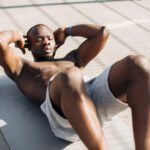
Prioritize exercises that build core strength without adding waist size: planks and dead bugs for anti-extension strength, Pallof presses for anti-rotation strength, hanging leg raises for lower ab development without thickening the waist, and ab wheel rollouts for overall core strength with minimal hypertrophy.
Train abs with bodyweight or light resistance rather than heavy weights. The goal is definition and function, not size. High-rep bodyweight ab work (15-25 reps) creates the definition that makes abs visible without building thick abdominal muscles that increase waist circumference.
Keep overall ab volume moderate. 2-3 dedicated ab sessions per week with 6-10 total sets is typically sufficient. Your abs get considerable indirect work from compound movements, so excessive direct training is unnecessary and potentially counterproductive for maintaining a trim waist.
The athletic midsection shows visible definition (you can see ab outline and separation at appropriate body fat levels) without excessive development that creates a blocky, thick waist.
Leg Training for Athletic Balance
Legs complete the athletic physique, but the approach differs from traditional bodybuilding leg training focused on maximum size.
Quad development should emphasize shape and definition rather than maximum mass. Include squats with focus on controlled tempo (2-3 times per week), Bulgarian split squats for unilateral development and balance, leg extensions for quad definition and VMO development (the teardrop muscle above the knee), and step-ups for functional strength and athletic carryover.
Use moderate weights for higher reps (10-15) rather than very heavy, low-rep work that builds thick, massive quads. The goal is legs that look strong and capable without appearing overly developed.
Glute and hamstring development improves overall athleticism and creates better proportions. Strong glutes improve posture and create a better overall silhouette. Include Romanian deadlifts for hamstring and glute development, hip thrusts specifically for glute activation, and leg curls for hamstring isolation.
Calf training shouldn’t be neglected. Well-developed calves complete the athletic leg aesthetic and prevent the chicken-leg look that undermines overall appearance. Include both standing calf raises (emphasizing gastrocnemius) and seated calf raises (emphasizing soleus) 2-3 times weekly.
The athletic leg is clearly trained and developed but doesn’t dominate your physique or make finding properly fitted pants difficult. Balance is key.
The Body Fat Sweet Spot for Athletic Aesthetics
Body composition might be more important than muscle development for achieving the athletic look.
10-15% body fat is the ideal range for most men seeking athletic aesthetics. This range provides visible ab definition (at least the outline of a four or six-pack), muscle separation in shoulders, arms, and chest, facial definition that makes you look healthy and vital, and a lean but not gaunt appearance that’s sustainable and healthy.
Below 10% body fat, you start entering territory where you might look impressive shirtless but potentially gaunt in the face or too lean for optimal health and performance. Above 15%, muscle definition begins disappearing, and the athletic look softens into simply “fit” or “in shape” rather than distinctly athletic.
Maintaining this range year-round requires sustainable nutrition and training approaches. Extreme cutting and bulking cycles work against the athletic aesthetic, which requires consistency rather than dramatic fluctuations. Eat in a slight deficit or at maintenance, prioritize protein (0.8-1g per pound bodyweight), and maintain consistency rather than pursuing aggressive cuts or bulks.
Strategic fat loss targets maintaining muscle while reducing fat. This requires moderate caloric deficit (300-500 calories below maintenance), high protein intake to preserve muscle, continued strength training with maintained intensity, and patience—losing 0.5-1 pound per week is ideal for maintaining muscle while shedding fat.
For most men, achieving and maintaining 10-15% body fat requires attention to nutrition without obsessive tracking or extreme restriction. Awareness of portion sizes, protein prioritization, and limiting processed foods typically gets you there when combined with consistent training.
Training Program Structure for Athletic Aesthetics
A training program optimized for the athletic look differs significantly from typical bodybuilding or strength programs.
Training frequency: 4-5 days per week allows adequate volume for development without excessive time commitment or recovery demands. This might look like Upper/Lower split 4x per week, Push/Pull/Legs with optional fourth day, or Full Body 3x per week with two additional focused sessions.
Exercise selection emphasizes movements that build athletic proportions: Overhead press variations (2-3x per week), vertical pulling (pull-ups, lat pulldowns) 2-3x per week, horizontal pulling (rows) 2-3x per week, moderate chest work (2x per week), targeted shoulder isolation (lateral raises, rear delt work) 3-4x per week, and leg training 2-3x per week with emphasis on control and definition.
Rep ranges favor the 8-15 range for most work, building muscle with definition rather than maximum size. Higher reps (12-20) for shoulders and arms create shape and definition. Moderate reps (6-10) for main compound movements maintain strength without building excessive mass.
Volume management is crucial. Athletic aesthetics come from moderate volume consistently applied, not maximum recoverable volume. Aim for 10-15 sets per muscle group per week for maintenance or slow growth, 15-20 sets for focused development of lagging areas, and less than 10 sets for areas you want to maintain without additional growth.
Progressive overload still matters but might emphasize reps, quality, and control rather than just weight. Adding a rep, improving form, increasing time under tension, or adding a set all represent progression without necessarily adding size.
Cardio and conditioning support the athletic look by maintaining low body fat and improving actual athleticism. Include 2-3 cardio sessions weekly (30-45 minutes moderate intensity), HIIT or interval work once per week for conditioning, and daily walking (8,000-10,000 steps) for additional calorie expenditure and recovery.
Common Training Mistakes That Create Bulk Instead of Athletic Build
Many men accidentally build bulk rather than athletic aesthetics through well-intentioned but misguided training approaches.
Mistake one: Following bodybuilding programs designed for maximum size. Traditional bodybuilding splits with high volume on every muscle group create overall mass rather than strategic proportions. These programs treat all muscle groups equally when athletic aesthetics requires emphasizing shoulders and back while carefully managing chest, arms, and legs.
Mistake two: Constantly chasing strength PRs. Powerlifting-focused training builds thick, dense muscle optimized for moving maximum weight, not for aesthetics. The constant pursuit of bench press, squat, and deadlift PRs often creates a blocky, thick physique rather than the lean, defined athletic look. Strength has its place, but it shouldn’t be the primary focus if aesthetics is your goal.
Mistake three: Neglecting body fat management. You can have perfect proportions and muscle development, but if you’re above 18-20% body fat, you won’t look athletic—you’ll just look generally fit or “strong.” The athletic look absolutely requires maintaining relatively low body fat year-round.
Mistake four: Overtraining arms and chest. Many men default to emphasizing “mirror muscles”—the body parts they see in the gym mirror. This creates disproportionate development with overdeveloped chest and arms but underdeveloped back and shoulders. The result is a body that lacks the V-taper and proportions of true athletic aesthetics.
Mistake five: Avoiding cardio entirely. While you don’t need to be a marathon runner, completely neglecting cardiovascular work makes it much harder to maintain the low body fat that reveals athletic definition. Moderate cardio supports fat loss, improves recovery, and contributes to overall health without interfering with muscle maintenance.
Mistake six: Not adjusting training as your body develops. What builds an athletic physique changes over time. Initially, you might need to emphasize all muscle groups. As you develop, you should shift focus toward maintaining most areas while specifically targeting lagging proportions (usually shoulders and back for most men).
Lifestyle Factors That Support Athletic Aesthetics
The athletic look extends beyond training and nutrition to encompass how you live, move, and carry yourself.
Posture and movement quality dramatically affect whether you look athletic. All the muscle development in the world looks mediocre with poor posture. Focus on maintaining upright posture throughout the day, pulling shoulders back and down (activated through rear delt and upper back strength), engaging your core during movement and standing, and moving with purpose and coordination rather than awkward, stiff patterns.
Many athletic-looking men aren’t actually the most muscular—they just carry themselves with confidence and coordination that suggests athleticism. Practice deliberate, controlled movement. Be aware of your posture in various positions—standing, sitting, walking.
Clothing choices can enhance or hide athletic proportions. Fitted but not tight clothing shows your build without looking like you’re trying too hard. Structured fabrics help create clean lines. Proper shoulder seams that hit at your actual shoulder point emphasize width. Tapered fits through the torso emphasize your V-taper. Even casual athletic wear should fit properly—baggy gym clothes hide the physique you’ve worked to build.
Grooming and presentation complete the athletic aesthetic. Maintaining reasonable body fat keeps your face defined and attractive. Intentional hairstyle complements your overall look. Clean, purposeful style suggests you pay attention to details. The athletic look is a complete package, not just muscle and low body fat.
Stress management and sleep directly impact your ability to maintain athletic body composition. Poor sleep increases cortisol, promotes fat storage (especially around the waist), and reduces recovery. Chronic stress has similar effects. Prioritize 7-9 hours quality sleep nightly, stress management practices (meditation, walks, hobbies), and life balance that supports rather than undermines your physique goals.
Sustainability over extremes is perhaps the most important lifestyle factor. The athletic look should be your normal, year-round state—not something you achieve for a few weeks through unsustainable measures then lose. Build habits around training, nutrition, and recovery that you can maintain indefinitely.
FAQ: Building Athletic Aesthetics
What’s the difference between looking athletic and looking like a bodybuilder?
Athletic physiques emphasize proportions, functionality, and leanness over maximum muscle size. Bodybuilders typically pursue maximum muscular development in all muscle groups, often resulting in a larger, more massive appearance. Athletic builds have more moderate muscle mass with strategic emphasis on shoulders and back, maintain slightly higher (but still lean) body fat (10-15% vs. bodybuilders’ contest condition of 5-8%), prioritize movement quality and actual athletic capability, and create a physique that looks excellent both clothed and shirtless without appearing excessively muscular.
Can you build an athletic physique with home workouts or do you need a gym?
You can build a legitimately athletic physique at home with minimal equipment, though a gym makes it easier. Essential home equipment includes: pull-up bar (critical for lat development), resistance bands (for shoulder isolation and various movements), adjustable dumbbells or kettlebells (for pressing and rowing variations), and optionally a bench for incline work. The challenges are progressive overload (you’ll need to get creative with tempo, volume, and advanced variations) and shoulder isolation (bands work but weights are more effective). A full gym offers more options and easier progression, but home training can absolutely build athletic aesthetics with discipline and creativity.
How long does it take to achieve the athletic look starting from average fitness?
For someone starting from average fitness (moderately active, normal body composition), noticeable athletic development typically requires 6-12 months of consistent training and nutrition. A truly compelling athletic physique—the kind where people clearly recognize you as athletic—usually takes 18-24 months. This timeline assumes training 4-5x weekly with proper programming, maintaining nutrition that supports fat loss or maintenance, and progressively building muscle strategically. If you’re starting from higher body fat, initial months will focus on fat loss while building foundation strength, potentially extending the timeline. If you’re already lean but undermuscled, the timeline focuses more on strategic muscle building.
What body fat percentage actually reveals the athletic aesthetic?
Most men need to be between 10-15% body fat for the athletic look. At 15%, you’ll have visible ab outline (at least the top four abs), shoulder and arm definition, and facial definition while still looking healthy and vital. At 12%, definition becomes more pronounced with clear ab visibility and muscle separation. At 10%, you’re quite lean with sharp definition while still sustainable for most men. Below 10% starts getting into territory that’s difficult to maintain and can make you look too lean in the face. Above 15%, muscle definition softens and you start losing the crisp, athletic appearance even if you have good muscle development underneath.
Should you bulk and cut or stay lean year-round for athletic aesthetics?
The athletic aesthetic is best achieved by staying relatively lean year-round (10-15% body fat) rather than traditional bulk/cut cycles. Extreme bulking builds unnecessary mass and makes cutting harder, often results in losing muscle definition for months at a time, and creates physique fluctuations that work against consistent athletic appearance. Instead, maintain body fat in the athletic range year-round, eat at or slightly above maintenance to slowly build muscle, and accept slower but more sustainable progress. If you need significant muscle development, a very modest surplus (200-300 calories) while staying under 16-17% body fat works better for athletic goals than aggressive bulking.
Conclusion: Athletic Excellence Through Strategic Development
The athletic physique represents perhaps the most versatile and universally appealing male body type—impressive enough to turn heads, functional enough to support actual performance, and balanced enough to look excellent in any context from business meetings to beach vacations.
Building this look requires understanding that more isn’t always better. It’s not about maximum muscle mass, lowest possible body fat, or biggest lifts. It’s about strategic proportions—building width through shoulders and back, maintaining a trim waist, developing defined but not excessive muscle mass, and maintaining lean enough body composition to reveal the definition that creates athletic aesthetics.
This approach differs fundamentally from typical gym culture that glorifies size and strength above all else. The athletic physique requires restraint and strategy—knowing when to push certain muscle groups and when to maintain others, understanding that some exercises build the look you want while others work against it, and recognizing that consistency at moderate body fat beats dramatic fluctuations.
The men who successfully build and maintain athletic aesthetics share common characteristics: they train consistently for years, not months, they manage nutrition without extreme approaches, they emphasize posture and movement quality, they understand their body’s response and adjust accordingly, and they view fitness as lifestyle rather than project.
Your athletic transformation won’t happen in 12 weeks. It develops over 1-2 years of strategic training and nutrition, then becomes your sustainable baseline. But unlike physiques built through extreme approaches, the athletic look is designed to be maintainable. It doesn’t require unsustainable body fat levels, excessive training volume, or lifestyle restriction that makes normal life difficult.
Start by assessing your current proportions honestly. Do you need more shoulder and back width? Should you reduce body fat to reveal existing muscle? Are certain areas overdeveloped relative to others? Build your program around addressing these specific needs rather than following generic approaches.
Commit to the timeline. Accept that meaningful transformation requires patience. Train with purpose, eat to support your goals, recover properly, and allow compound improvements to accumulate over months and years.
The result will be a physique that serves you in every area of life—professional presence, social confidence, athletic capability, and personal satisfaction. You’ll look athletic because you’ll have built your body with athletic proportions and functionality in mind. You’ll move through the world with the ease and confidence that comes from a body that works as well as it looks.
The athletic aesthetic isn’t about being huge. It’s about being optimized—lean, defined, proportioned, and capable. Build accordingly.