How to Look Expensive Without Wearing Designer Clothes
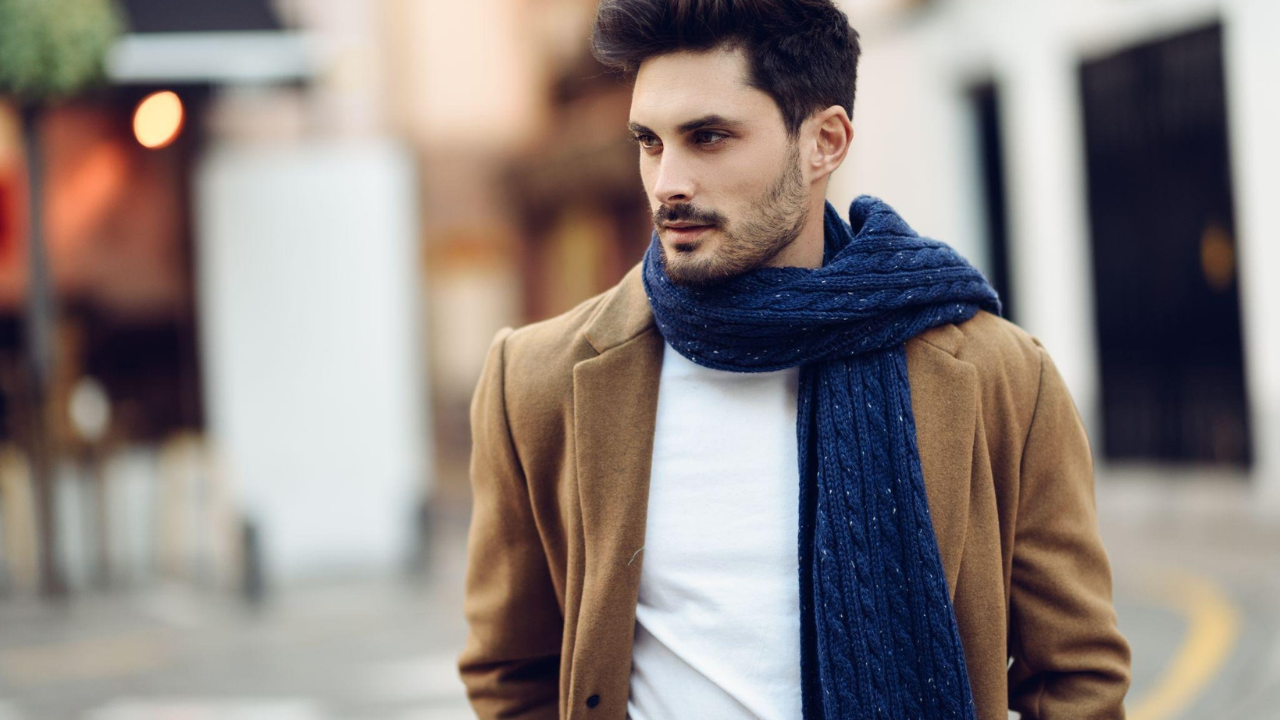
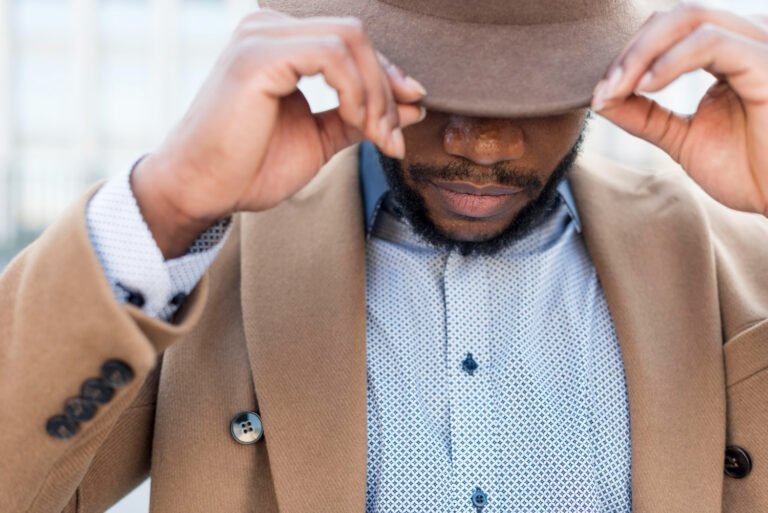
Looking wealthy and well-dressed has nothing to do with how much you actually spend. The secret? Understanding that expensive-looking style comes from fit, quality details, and intentional presentation—not logos or price tags.
Learning how to look expensive without wearing designer clothes means mastering the visual cues that signal sophistication, regardless of your clothing’s actual cost.
You’ve seen it before: someone wearing a basic outfit from affordable brands who looks more polished than someone in head-to-toe designer wear that doesn’t fit properly.
This comprehensive guide reveals the specific strategies, styling techniques, and mindset shifts that create an elevated, expensive appearance using budget-friendly pieces that look far more costly than they are.
The Psychology of Looking Expensive
What Makes Something Look Expensive?
Expensive appearance relies on specific visual signals that have nothing to do with actual cost.
Key indicators of expensive style:
- Impeccable fit that appears custom-made
- Clean, maintained appearance without visible wear
- Quality fabrics with proper weight and drape
- Subtle details rather than obvious branding
- Cohesive color coordination
- Confident, intentional styling choices
- Attention to grooming and overall presentation
Notice that brand names don’t appear on this list—because they’re irrelevant to looking expensive.
The Fit Factor: Your Greatest Investment
Perfect fit is the single most important element in looking expensive.
A $30 shirt tailored to your body looks more expensive than a $300 designer shirt that’s too big.
Why fit matters so much:
- Proper fit creates clean lines and flattering silhouettes
- Well-fitted clothes appear custom-made
- Poor fit signals carelessness regardless of brand
- Tailoring transforms ordinary pieces into elevated ones
The wealthy don’t look good because they buy expensive clothes—they look good because everything fits perfectly, often through tailoring.
Quality Over Logos
Ironically, the most expensive-looking outfits rarely display obvious branding.
True luxury is subtle, understated, and confident.
Signs of cheap-looking style:
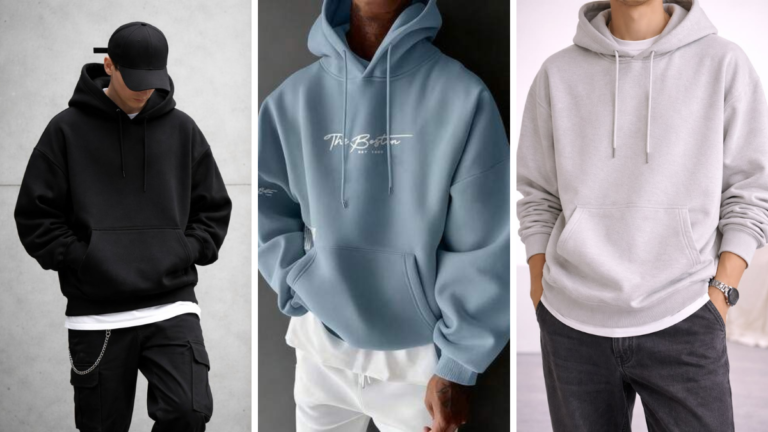
- Large visible logos and branding
- Excessive embellishments and details
- Trendy pieces that scream “fast fashion”
- Poorly constructed items with visible quality issues
Signs of expensive-looking style:
- Clean, minimal designs
- Quality construction details
- Timeless rather than trendy pieces
- Subtle luxury through fabric and fit
Old money style is quiet and confident—it doesn’t need to announce itself.
Mastering Fit: The Foundation of Looking Expensive
Getting the Shoulders Right
Shoulder fit is non-negotiable and difficult to alter.
This is where you must be most critical when buying.
Perfect shoulder fit:
- Seam sits exactly at your natural shoulder edge
- No divots or pulling across shoulders
- Fabric lays smooth across shoulder blades
- Can move arms comfortably without restriction
If shoulders don’t fit perfectly, don’t buy the item—no amount of other alterations will fix this.
Sleeve and Pant Length
Proper length creates polished, intentional appearance.
Shirt sleeves should:
- End at wrist bone when arms hang naturally
- Show 1/4 to 1/2 inch of cuff beyond jacket sleeve
- Never cover your hands or bunch at wrists
Pant length should:
- Have minimal to no break at shoes (modern preference)
- End right at top of shoe or with slight break
- Never pool excessively around ankles
- Maintain clean line from hip to shoe
These simple adjustments cost $10-15 but dramatically elevate appearance.
Body Fit and Silhouette
Clothes should follow your natural shape without clinging or swimming on your frame.
Signs of proper body fit:
- Shirt closes comfortably without pulling
- Can pinch 2-3 inches of fabric at side seams
- No horizontal pulling lines across chest or back
- Pants fit comfortably at waist without belt needed for support
- Jacket closes without straining buttons
When in doubt, size up and tailor down rather than struggling into too-small clothing.
The Tailoring Investment
Professional tailoring is the secret weapon for looking expensive on any budget.
Most valuable alterations:
- Hemming pants ($10-15)
- Taking in shirt sides ($15-20)
- Shortening sleeves ($10-15)
- Tapering pant legs ($20-25)
- Taking in jacket waist ($25-40)
Spending $50 on tailoring a $80 outfit creates a $300+ appearance—this is the highest-ROI investment in your wardrobe.
Find a reliable local tailor and develop a relationship. They’ll understand your preferences and body type over time.
Fabric Quality: Spotting and Choosing Better Materials
Understanding Fabric Weight
Quality fabrics have appropriate weight and substance.
Cheap fabrics feel flimsy, thin, and insubstantial.
How to assess fabric quality:
- Hold fabric up to light—quality fabrics aren’t see-through
- Feel the weight—should have presence and body
- Check drape—quality fabrics hang smoothly
- Examine texture—should feel substantial, not papery
T-shirts under 150gsm feel cheap. Dress shirts under 80s cotton count look inexpensive. Learn these standards.
Natural vs. Synthetic Fibers
Natural fibers generally look more expensive than synthetics.
Premium natural fibers:
- 100% cotton (breathes well, ages beautifully)
- Wool (wrinkle-resistant, temperature-regulating)
- Linen (textured, sophisticated in warm weather)
- Cashmere (luxurious, soft, expensive-looking)
- Silk (rare in men’s casual wear, but undeniably luxury)
Acceptable blends:
- Cotton/elastane (2% stretch improves fit and comfort)
- Wool/polyester blends (durability in suits, keeps shape)
- Cotton/linen blends (wrinkle less than pure linen)
Avoid obviously cheap synthetics:
- 100% polyester (shiny, doesn’t breathe, ages poorly)
- Low-quality acrylic (pills quickly, looks cheap)
- Rayon/viscose (wrinkles easily, thin appearance)
Read garment labels religiously—fabric content tells you more than price tags.
Checking Construction Quality
Well-constructed garments last longer and look expensive regardless of brand.
Quality construction indicators:
- Pattern matching at seams (stripes, plaids line up)
- Reinforced stitching at stress points
- Finished seams inside (serged or bound edges)
- Functional buttonholes throughout
- Quality buttons (horn, mother-of-pearl, substantial plastic)
- Sturdy zippers with smooth operation
- Even, tight stitching with no loose threads
These details separate quality pieces from cheap ones at every price point.
Color Strategy for Expensive Appearance
The Neutral Palette Advantage
Neutral colors automatically look more sophisticated and expensive.
How to look expensive without wearing designer clothes starts with strategic color selection.
Core expensive-looking colors:
- Navy blue (most versatile, always appropriate)
- Charcoal and gray (sophisticated, professional)
- Black (sleek, modern, urban)
- White and cream (clean, classic, elevated)
- Camel and tan (warm, luxurious)
- Olive and forest green (rich, masculine)
- Burgundy and wine (sophisticated accent)
Build 80-90% of wardrobe around these timeless neutrals.
Avoiding Cheap-Looking Colors
Certain colors signal low quality regardless of actual cost.
Colors that often look cheap:
- Bright, artificial-looking colors (electric blue, neon)
- Overly saturated shades
- Colors that fade quickly (cheap dyes)
- Juvenile patterns (cartoon graphics, novelty prints)
Stick to colors you’d see in high-end stores—muted, sophisticated, timeless.
The Monochromatic Technique
Wearing one color family in varying shades creates instant sophistication.
Effective monochromatic combinations:
- Light gray t-shirt + charcoal pants + medium gray sweater
- Navy henley + navy chinos (different shades) + navy jacket
- Cream sweater + tan chinos + camel overcoat
This technique looks inherently expensive because it requires intentionality and understanding of color.
Color Coordination Rules
Proper color matching signals attention to detail and sophistication.
Foolproof expensive-looking combinations:
- Navy + white + brown leather
- Gray + white + black leather
- Charcoal + cream + burgundy accents
- Olive + tan + brown leather
- Black + white + gray (modern minimalism)
Limit outfits to 2-3 colors maximum. Excessive colors look busy and cheap.
Styling Techniques That Elevate Any Outfit
The Power of Layering
Layering creates visual interest and suggests thoughtful dressing.
Effective layering combinations:
- White t-shirt + unbuttoned chambray shirt + casual jacket
- T-shirt + crew neck sweater + overcoat
- Dress shirt + v-neck sweater + blazer
- Henley + cardigan + scarf
Each layer should complement others in color and formality level.
Poorly executed layering looks sloppy; intentional layering looks expensive.
Tucking and Untucking Strategy
This simple decision dramatically affects appearance.
When to tuck for expensive look:
- Button-downs with chinos or dress pants
- Any shirt with blazer or sport coat
- Business and smart casual settings
- When wearing quality belt
When untucking works:
- Casual button-downs with curved hems
- T-shirts (almost always)
- Relaxed weekend settings
- Shirts specifically designed to be untucked
Half-tucked or partially tucked looks sloppy—commit to tucked or untucked fully.
The French Tuck (Optional)
Tucking just the front portion of your shirt creates casual sophistication.
This works with:
- Casual button-downs with jeans
- Relaxed weekend outfits
- Creating visual interest in simple outfits
Don’t overuse this technique—it can look affected if done constantly.
Rolling Sleeves Properly
Proper sleeve rolling adds casual elegance to button-downs.
The master roll technique:
- Unbutton cuffs completely
- Flip cuff back once to just below elbow
- Fold remainder up to meet cuff edge
- Smooth fabric and adjust
Avoid bunched, uneven rolls that look messy. Practice until it becomes natural.
Accessorizing Minimally
Less is more when creating expensive appearance.
Essential accessories:
- One quality watch (leather strap or simple metal)
- Simple leather belt matching shoe color
- Classic sunglasses (avoid trendy shapes)
- Quality leather wallet
- Wedding ring if applicable
Avoid:
- Multiple bracelets or necklaces
- Novelty accessories
- Excessive jewelry
- Logos and obvious branding
Restraint signals confidence and sophistication.
Footwear: The Expensive Appearance Foundation
Investing Where It Shows
Shoes are the one area where investing more pays massive visual dividends.
Quality footwear elevates entire outfits dramatically.
Priority footwear investments:
- Brown leather Chelsea boots ($100-200 range)
- Minimalist white leather sneakers ($80-150)
- Brown leather loafers or Oxfords ($100-200)
These three pairs cover 90% of situations and last years with proper care.
Shoe Care Creates Luxury Appearance
Well-maintained affordable shoes look better than neglected expensive ones.
Essential shoe care:
- Clean shoes weekly (wipe down, remove dirt)
- Polish leather shoes monthly
- Use shoe trees to maintain shape
- Rotate shoes—never wear same pair daily
- Resole quality leather shoes when worn ($50-80)
- Weatherproof suede and leather seasonally
Ten minutes of weekly maintenance makes $100 shoes look like $400 shoes.
Avoiding Cheap-Looking Footwear
Certain shoes instantly cheapen otherwise good outfits.
Shoes that look inexpensive:
- Athletic sneakers with excessive branding/colors
- Cheap square-toed dress shoes
- Overly distressed or “pre-aged” leather
- Shoes with chunky, athletic soles on dress shoes
- Flip-flops in non-beach settings
Stick to classic styles in quality leather or clean, minimal designs.
The Sneaker Exception
Clean, minimalist white sneakers work for elevated casual looks.
What makes sneakers look expensive:
- Simple, logo-free design
- Quality leather or canvas
- Pristine condition (clean, not scuffed)
- Appropriate context (casual only, not business settings)
Common Projects, Greats, and similar styles exemplify this—but even affordable versions work if kept immaculate.
Grooming: The Non-Clothing Essentials
Hair and Facial Hair Maintenance
No outfit overcomes poor grooming.
Expensive appearance grooming standards:
- Regular haircuts every 3-4 weeks (maintain shape)
- Styled hair with appropriate product
- Facial hair either cleanly shaven or intentionally groomed
- Sideburns even and trimmed
- Neck and ear hair managed
Well-groomed with basic haircut beats expensive outfit with messy hair every time.
Skincare Basics
Healthy skin suggests self-care and attention to detail.
Minimal skincare routine:
- Daily face wash
- Moisturizer (especially important as you age)
- Sunscreen (prevents premature aging)
- Eye cream if prone to dark circles
Clear, healthy skin looks wealthy regardless of clothing budget.
Nail and Hand Care
People notice hands more than you realize.
Basic hand maintenance:
- Trim nails weekly
- Keep nails clean underneath
- Moisturize hands (prevents dry, cracked appearance)
- Maintain cuticles
Neglected hands undermine expensive appearance immediately.
Scent and Freshness
Smelling good is part of looking expensive.
Fragrance strategy:
- One signature scent applied sparingly
- Fresh, clean clothing (never wear items twice without washing)
- Good breath (brush, floss, mints)
- Subtle cologne (1-2 sprays maximum)
Overpowering cologne or body odor destroys any expensive appearance instantly.
Shopping Strategies for Looking Expensive on Budget
Where to Find Quality Budget Pieces
Strategic shopping finds quality items at affordable prices.
Best retailers for expensive-looking budget clothes:
- Uniqlo (exceptional quality basics)
- COS (minimalist, sophisticated designs)
- Everlane (transparent pricing, quality construction)
- J.Crew Factory during sales (classic American style)
- Banana Republic during 40%+ off sales
- Massimo Dutti (Zara’s upscale line, better quality)
- Spier & Mackay (excellent value dress clothing)
Avoid:
- Obviously fast fashion with trendy, low-quality pieces
- Stores with constant “sales” suggesting inflated regular prices
- Retailers known for poor construction
Thrift Shopping for Quality
Secondhand shopping finds luxury pieces at budget prices.
Thrift shopping strategy:
- Target upscale neighborhoods (better donations)
- Inspect thoroughly (check seams, fabric, condition)
- Focus on quality brands you recognize
- Look for natural fiber content
- Ensure items can be tailored if needed
You’ll find $300 designer shirts for $15—this is how to look expensive without wearing designer clothes at full price.
Reading Reviews and Fit Guides
Online shopping requires research to avoid disappointments.
Before buying online:
- Read detailed customer reviews about fit
- Check measurements against clothes you own
- Look for photos from actual customers
- Research brand’s general fit (runs large/small)
- Verify return policy before ordering
Spending 10 minutes researching prevents expensive mistakes.
The Cost-Per-Wear Calculation
Expensive appearance doesn’t mean expensive purchases—it means smart investments.
Cost-per-wear formula: Item cost ÷ number of times worn = true cost
A $150 jacket worn 100 times costs $1.50 per wear. A $50 trendy shirt worn 3 times costs $16.67 per wear.
This perspective justifies spending more on versatile staples while avoiding cheap impulse buys.
Common Mistakes That Ruin Expensive Appearance
Mistake 1: Wearing Visible Logos and Branding
Counterintuitively, obvious logos look cheaper than logoless clothing.
The fix: Choose pieces without visible branding. True luxury is subtle and confident, not promotional. Designer pieces look most expensive when branding is minimal or internal only.
Mistake 2: Neglecting Clothing Maintenance
Wrinkled, stained, or worn-looking clothes destroy expensive appearance.
The fix: Iron or steam clothes before wearing. Address stains immediately. Repair minor damage promptly. Replace items when they look visibly worn beyond acceptable.
Mistake 3: Mixing Formality Levels Incorrectly
Pairing dress shoes with athletic shorts or sneakers with dress pants looks confused.
The fix: Match formality levels throughout outfit. Casual shoes with casual clothes. Dress shoes with dressier pieces. Ensure every element works together cohesively.
Mistake 4: Following Fast Fashion Trends
Chasing trends results in dated-looking outfits within months.
The fix: Build wardrobe around classic, timeless pieces that remain stylish for years. Add trends sparingly through inexpensive accessories if desired. Classic always looks more expensive than trendy.
Mistake 5: Wearing Ill-Fitting Clothes to Save Money
Skipping tailoring “saves” $20 but costs you the expensive appearance entirely.
The fix: Factor tailoring into clothing budget. Better to own fewer perfectly-fitted pieces than many poorly-fitting ones. Tailoring is investment, not expense.
Mistake 6: Over-Accessorizing
Multiple accessories compete for attention and look busy.
The fix: Limit accessories to 2-3 items maximum. Quality over quantity—one excellent watch beats five cheap bracelets. Restraint signals sophistication.
Building an Expensive-Looking Wardrobe on Budget
The Essential Capsule
These pieces create foundation for expensive appearance at any price point.
Core items (20-25 pieces):
Tops:
- 2 white crew neck t-shirts (quality cotton)
- 1 white Oxford button-down
- 1 light blue dress shirt
- 1 navy crew neck sweater
- 1 gray cardigan or quarter-zip
Bottoms:
- 1 pair dark wash jeans (tailored length)
- 1 pair navy chinos
- 1 pair gray dress pants
- 1 pair khaki chinos
Outerwear:
- 1 navy blazer (unstructured)
- 1 casual jacket (denim, bomber, or Harrington)
- 1 quality overcoat (weather-appropriate)
Shoes:
- White leather minimalist sneakers
- Brown leather Chelsea boots or loafers
- Brown leather dress shoes
Accessories:
- Brown leather belt
- Black leather belt
- Quality watch
- Sunglasses
Total investment: $1,200-1,800 over time creates expensive appearance for years.
Prioritizing Your Purchases
Build gradually, starting with highest-impact items.
Purchase priority order:
- Well-fitting dark jeans
- White Oxford button-down (get tailored)
- Brown leather shoes (quality investment)
- Navy blazer (get tailored)
- Quality t-shirts
- Chinos in navy and khaki
- Sweaters and layering pieces
- Additional shoes
- Outerwear
- Accessories
This sequence ensures you always look put-together while building complete wardrobe.
Frequently Asked Questions
How much should I spend to look expensive?
Looking expensive costs less than you think. Invest $100-200 in shoes, $150-250 in outerwear, $50-100 in pants, and $30-80 in shirts. Add $50-100 for tailoring. A complete expensive-looking wardrobe costs $1,200-1,800 total built over 6-12 months. Focus on fit and quality over brand names.
What’s the one thing that makes the biggest difference?
Perfect fit is overwhelmingly most important. A $40 shirt tailored to your body looks exponentially more expensive than a $400 designer shirt that’s too big. Invest $50-100 in tailoring your existing wardrobe before buying anything new—you’ll be amazed at the transformation.
Can cheap clothes ever look expensive?
Absolutely, when they fit perfectly, use quality fabrics, feature minimal branding, and are maintained impeccably. The difference between $30 and $300 t-shirts is often negligible if both fit well and use quality cotton. Focus on construction quality, fabric content, and fit rather than price tags.
Do I need designer brands to look wealthy?
No. Ironically, the wealthiest-looking people often avoid obvious designer branding. Old money style is understated, classic, and confident—qualities achieved through fit, quality, and grooming rather than labels. Designer brands look most expensive when logos aren’t visible.
How do I maintain this expensive look over time?
Consistent maintenance is key: iron clothes before wearing, clean and polish shoes regularly, address stains immediately, get haircuts every 3-4 weeks, and replace items when visibly worn. Ten minutes of daily maintenance and $50 monthly on grooming/upkeep preserves expensive appearance indefinitely.
Conclusion
Learning how to look expensive without wearing designer clothes comes down to mastering fit, choosing quality over logos, and maintaining impeccable grooming standards.
Start by getting your existing clothes tailored—this single investment transforms your appearance more than buying anything new. Focus on fit above all else, ensuring shoulders align perfectly, sleeves hit your wrists, and pants have proper length.
Build your wardrobe around neutral colors and classic pieces that remain stylish for years. Invest more in visible items like shoes and outerwear while spending less on basics like t-shirts.
Maintain everything meticulously—iron clothes before wearing, keep shoes polished, and address any damage immediately. Well-maintained budget pieces look better than neglected designer ones.
Remember that truly expensive style is quiet, confident, and understated. It comes from attention to detail, proper fit, and thoughtful presentation—not logos, trends, or price tags.
Start today by identifying the three worst-fitting items in your wardrobe and getting them tailored. This $50 investment will teach you more about looking expensive than reading any article ever could.
Related Articles You Might Like: