
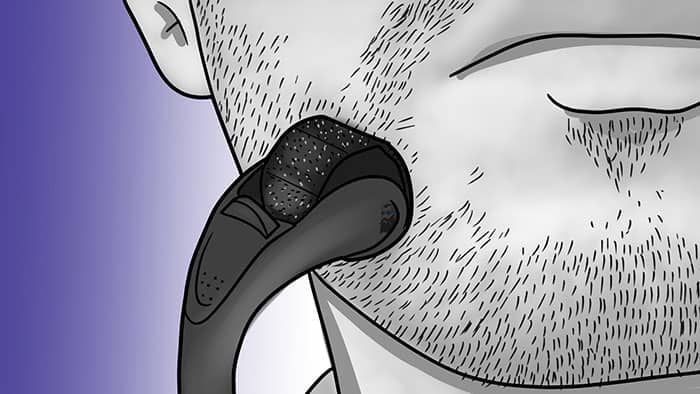
Beard itch is one of the most common reasons men give up on growing a beard — and it’s almost entirely preventable.
The relentless scratching, the dry flaky skin underneath, the constant urge to just shave it all off — none of that has to be part of your beard journey.

The right beard itch solutions, applied consistently, can turn an unbearable few weeks into a genuinely comfortable growing experience.
This guide breaks down exactly why beard itch happens, what actually works to stop it, and how to build a beard care routine that keeps your skin and hair healthy for the long haul.

Why Your Beard Itches: The Real Reasons Behind the Discomfort
Most men assume beard itch is just something you have to push through — a rite of passage. That’s not entirely wrong in the very early stages, but understanding why it happens gives you the power to address it directly rather than just suffering through it.
Newly Cut Hair Ends
When you shave, the razor creates a sharp, angled edge on each hair. As those hairs begin to grow back, those pointed tips scratch against the surrounding skin with every movement of your face.
This is the most common cause of itch in the first one to two weeks of growth and it’s largely mechanical — the sharp ends irritate the skin until they grow long enough to lie flat.
Dry Skin Beneath the Beard
This is the big one for men who are past the early stubble stage. As your beard grows longer, it starts competing with your skin for moisture. The sebaceous glands in your skin produce natural oil — called sebum — to keep both the skin and hair hydrated.
But a growing beard demands more oil than your skin can naturally produce, leaving the skin beneath dry, tight, and itchy. Without intervention, this gets worse as the beard gets longer.
Beardruff — Beard Dandruff
Dry skin underneath a beard sheds in small flakes, exactly the way scalp dandruff works. These flakes — affectionately known as beardruff — cause itching as they loosen and move through the beard hairs. You’ll often notice them on dark shirts or when you run your hand through your beard. Beardruff is a direct symptom of inadequate moisturization and is completely fixable.
Product Buildup and Poor Beard Hygiene
Using the wrong products, or using the right products incorrectly, leads to buildup on the skin and hair that clogs follicles and triggers irritation. Silicone-heavy conditioners, low-quality beard balms with synthetic fragrances, and even regular hair shampoo used on the beard can all disrupt the skin’s natural balance and contribute to persistent itching.
Ingrown Hairs
Ingrown beard hairs occur when a hair curls back and grows into the surrounding skin rather than outward. They cause localized itching, redness, and sometimes painful bumps. Men with coarser, curlier facial hair are more prone to ingrown hairs but any man can experience them, particularly in the early growth phases.

Read also: How to Prevent Razor Bumps: The Complete Guide to Smoother, Irritation-Free Skin
The Best Beard Itch Solutions That Actually Work
Now for the practical part. These aren’t just surface-level suggestions — these are the solutions that address the root causes and deliver real, noticeable relief.
Solution 1 — Beard Oil: The Single Most Effective Fix
If there’s one product that deserves the top spot in any list of beard itch solutions, it’s beard oil. Beard oil replaces the natural sebum your skin can’t produce fast enough to keep up with a growing beard, directly addressing the most common cause of chronic beard itch.
A quality beard oil typically contains a carrier oil — jojoba, argan, sweet almond, or grapeseed are the most common — combined with essential oils for fragrance and additional skin benefits. Jojoba oil is particularly effective because its molecular structure closely mirrors human sebum, making it exceptionally well absorbed without leaving a greasy residue.
How to apply it correctly matters as much as using it at all. After washing and patting your beard dry, dispense three to five drops of beard oil into your palm depending on beard length. Rub your hands together to warm the oil, then work it through the beard from the roots to the tips, making sure to reach the skin underneath. Follow with a beard brush to distribute evenly. Do this daily — preferably in the morning after your shower while the skin is still slightly warm and pores are open for better absorption.
Within three to five days of consistent daily application, most men notice a significant reduction in itching. Within two weeks, the difference is dramatic.
Solution 2 — Build a Proper Beard Care Routine
Beard oil alone is powerful, but it works best as part of a complete beard care routine. Think of the routine as a system where every step supports the next.
Washing — Cleanse your beard two to three times per week with a dedicated beard wash. Regular shampoo is formulated for scalp hair, which is structurally different from facial hair and grows from thicker, more sensitive skin. Regular shampoo strips the natural oils from your beard far more aggressively than a beard-specific formula does, leaving the skin beneath dry and itchy. A sulfate-free beard wash cleans effectively without disrupting the skin’s natural moisture balance.
Conditioning — Follow every beard wash with a beard conditioner or a deep conditioning treatment once a week. Work it through the beard, leave it for two to three minutes, then rinse thoroughly. Conditioner softens the hair shaft, making the beard feel smoother against the skin and reducing the mechanical irritation that contributes to itch.
Moisturizing — Apply beard oil daily as described above, and consider adding a beard balm to your routine for medium to long beards. Balm provides an additional layer of moisture alongside light hold for styling.
Brushing — Brush your beard daily with a boar bristle brush. This step does several things simultaneously: it distributes beard oil evenly from roots to tips, exfoliates the skin beneath to remove dead skin cells, stimulates blood flow to the follicles, and trains the hairs to lie in a consistent direction. For longer beards, follow the brush with a wide-tooth comb to work through any tangles without causing breakage.
Consistency is what makes this routine work. A beard care routine followed sporadically delivers sporadic results. Daily commitment is what transforms itchy, uncomfortable beard skin into something genuinely healthy.
Solution 3 — Exfoliate the Skin Beneath Your Beard
Dead skin cell buildup is a direct contributor to both beardruff and beard itch, and it’s a step that almost no beard grooming guide talks about enough. Exfoliating the skin beneath your beard two to three times per week removes the layer of dead cells that clog follicles, cause flaking, and make itching worse.
Use a gentle face scrub or a soft exfoliating brush on the days you wash your beard, working in circular motions against the grain of the beard to reach the skin beneath. This stimulates circulation, removes dead skin, and makes a notable difference to how comfortable your beard skin feels throughout the day.
Don’t over-exfoliate — more than three times per week starts causing its own irritation. Twice weekly is the sweet spot for most men.
Solution 4 — Switch to Lukewarm Water When Washing
This is one of the simplest and most overlooked moisturizing tips in beard care. Hot water strips natural oils from both the skin and beard hair far more aggressively than warm or lukewarm water. If you’re washing your beard in a hot shower and noticing persistent dryness and itch, the water temperature is likely a significant contributing factor.
Wash your beard in warm — not hot — water, and finish with a cool rinse. The cool water closes the pores, reduces moisture loss after washing, and leaves the skin feeling tighter and less prone to irritation.
Solution 5 — Upgrade Your Products and Check the Ingredients
Not all beard products are created equally, and many of the most widely available options contain ingredients that actively contribute to beard itch. Synthetic fragrances are a common irritant — they can cause allergic contact dermatitis in sensitive skin, which presents as persistent itching and redness. Alcohol is another culprit found in some beard sprays and aftershaves, drying out both the skin and hair significantly.
When choosing beard products, look for short, clean ingredient lists with recognizable carrier oils, natural essential oils for fragrance, and moisturizing actives like shea butter, vitamin E, or aloe vera. Avoid anything with denatured alcohol, synthetic fragrance (listed as “parfum” or “fragrance”), sulfates in washes, or silicones that coat the hair without actually moisturizing it.
Read also: Men’s Body Grooming Guide: Everything You Need to Know to Look and Feel Your Best
Irritation Relief for Existing Beard Itch
If you’re already in the middle of a serious beard itch situation, here’s how to get fast irritation relief while your new routine takes hold.
Aloe vera gel is one of the most effective natural soothers for irritated beard skin. Its anti-inflammatory and antimicrobial properties calm redness and itching on contact. Apply a small amount of pure aloe vera gel directly to the skin beneath your beard after washing, let it absorb, then follow with beard oil. It works well as an immediate relief measure while your longer-term routine builds up.
Witch hazel — the non-alcohol, water-based version — is a natural astringent and anti-inflammatory that reduces redness and soothes irritated skin without drying it out. Apply it to the skin beneath your beard using a cotton pad after washing and before your beard oil. It’s particularly effective if your itch has a component of folliculitis or inflamed follicles.
Hydrocortisone cream (1 percent, available over the counter) can provide fast relief for severe or particularly inflamed beard itch. Use it sparingly and only for short periods — no more than one week of daily application. It’s a short-term fix, not a long-term solution, but it can bridge the gap while your hydration routine starts working.
Tea tree oil diluted in a carrier oil has natural antibacterial and antifungal properties that help address beard itch with a microbial component — such as when beardruff has a fungal element similar to seborrheic dermatitis. Add two to three drops to your regular beard oil before applying. Never use tea tree oil undiluted on the skin.
Hygiene Habits That Prevent Beard Itch From Returning
Long-term beard itch prevention comes down to the hygiene habits you maintain consistently, not just the products you use in the moment.
Washing your pillowcase regularly is one that catches many men off guard. Pillowcases accumulate dead skin cells, oils, and bacteria over time — all of which transfer back to your beard and the skin beneath it every night. Changing your pillowcase every three to four days makes a measurable difference to beard skin health over time.
Keeping your hands away from your beard throughout the day is another underrated hygiene habit. Your hands pick up bacteria, oil, and environmental debris constantly. Every time you absentmindedly run your hand through your beard, you’re transferring that onto your skin and into your follicles. It’s a hard habit to break, but consciously reducing how much you touch your beard between washes keeps the bacterial load significantly lower.
Drinking enough water daily keeps your skin hydrated from the inside, reducing the severity of dryness-related beard itch. A well-hydrated body produces better quality sebum and maintains skin barrier function more effectively. Eight to ten glasses of water per day is the standard and it directly affects how your beard skin feels.
Washing your beard tools regularly — brushes, combs, and applicators — prevents bacteria and product buildup from being reintroduced to your beard during your grooming routine. Rinse combs and brushes weekly and do a deeper clean with warm soapy water monthly.
When Beard Itch Might Be Something More Serious
For the vast majority of men, beard itch is a moisture and hygiene issue that resolves with better products and a consistent routine. However, persistent or severe itching that doesn’t respond to these measures may indicate an underlying skin condition worth investigating.
Seborrheic dermatitis is a common inflammatory skin condition that affects areas rich in sebaceous glands — including the beard area. It presents as persistent flaking, itching, and redness and typically requires an antifungal shampoo or medicated treatment rather than standard beard care products.
Contact dermatitis — an allergic reaction to an ingredient in a product you’re using — can cause intense localized itching and redness. If your itch started shortly after introducing a new product, that product is likely the culprit. Stop using it and give your skin one to two weeks to recover.
Folliculitis — an infection of the hair follicles — presents as small, pus-filled bumps and significant localized itch or pain. Mild cases often resolve with better hygiene and the application of a gentle antibacterial wash, but persistent or spreading folliculitis warrants a visit to a dermatologist for proper treatment.
FAQ: Beard Itch Solutions
How long does beard itch typically last? The initial itch from new growth typically peaks in the first one to two weeks and subsides as the hairs grow past the sharp stubble stage. Itch caused by dry skin and poor moisture can persist indefinitely without a proper beard care routine — but usually resolves within one to two weeks of consistent beard oil use and proper washing.
Can beard oil really stop the itch? For the majority of men, yes — significantly. Most beard itch is caused by dry skin beneath the beard, and beard oil directly addresses that. Results are usually noticeable within three to five days of daily use. Using it correctly — applying to slightly damp skin and working it down to the skin beneath the beard — is key to getting full results.
Should I push through the itch or shave it off? Push through it, but do it smarter. The men who shave because of itch almost always start regrowing and hit the same wall again. Starting a proper beard care routine at the first sign of itch — rather than after weeks of suffering — makes the experience dramatically more comfortable.
Is beardruff the same as regular dandruff? The mechanism is the same — dry, flaking skin — but the location and triggers are slightly different. Beard dandruff is primarily driven by the beard depleting the skin’s natural oils, while scalp dandruff often has a stronger fungal component. Some cases of beardruff do have a fungal element, particularly if regular moisturizing doesn’t fully resolve the flaking.
What’s the fastest way to get beard itch relief today? Apply pure aloe vera gel directly to the skin beneath your beard for immediate soothing, followed by a generous application of beard oil. Avoid washing with hot water today and switch to lukewarm. These three steps together will deliver noticeable relief within a few hours while your longer-term routine takes shape.
Conclusion: Beard Itch Is a Problem With a Real Solution
Beard itch doesn’t have to define your growing experience or drive you back to the razor. With the right beard itch solutions — daily beard oil, a consistent beard care routine, proper washing technique, regular exfoliation, and clean hygiene habits — the discomfort that sidelines so many men is completely manageable and largely preventable.
Start with beard oil today, build the routine around it over the next week, and give your skin the time it needs to rebalance. The beard on the other side of that adjustment period — healthy, comfortable, and genuinely great-looking — is absolutely worth it.
Read also:
- Men’s Body Grooming Guide: Everything You Need to Know to Look and Feel Your Best
- How to Smell Good All Day: The Complete Men’s Guide to Lasting Freshness
- Men Skincare Mistakes That Are Quietly Ruining Your Skin
- Men Hygiene Tips: The Complete Guide to Smelling, Looking, and Feeling Your Best in 2026