

If you’re wondering how to grow a beard faster, you’re not alone — and the good news is, there are real, proven ways to speed things up.
Whether you’re starting from scratch, dealing with a patchy beard, or just frustrated that your growth has stalled, this guide covers everything from daily habits to the best beard vitamins, so you can build the fullest, healthiest beard possible.

Why Your Beard Isn’t Growing as Fast as You’d Like
Before diving into solutions, it helps to understand what’s actually happening under the surface. Beard growth is driven primarily by testosterone and DHT (dihydrotestosterone). Genetics play the biggest role in determining your ultimate beard potential — but genetics don’t control everything. Your lifestyle, diet, sleep, and skincare habits all have a measurable impact on how fast and how thick your beard grows.
So even if your dad couldn’t grow a full beard, there’s still a lot you can do to maximize what you’ve got.
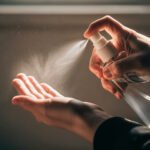
How to Grow a Beard Faster: 8 Proven Strategies
1. Let It Grow (Seriously, Stop Trimming)
The most underrated beard growth tip is also the simplest: put down the razor and give your beard time. Most men give up during the first two to four weeks because growth looks uneven or patchy. This is completely normal. The hair follicles on your face don’t all activate at the same time.
Commit to a full 4–6 weeks before you judge your progress. You’ll be surprised what fills in once you’re patient enough to let it.
2. Optimize Your Diet for Beard Growth
What you eat directly affects how fast your hair grows. Hair is made of keratin — a protein — which means your beard literally needs protein to grow. But it’s not just protein.
Key nutrients that support faster beard growth include:

- Protein — Found in eggs, chicken, fish, legumes. Fuels hair keratin production.
- Biotin (Vitamin B7) — Found in eggs, almonds, and sweet potatoes. One of the most well-known beard vitamins for a reason.
- Zinc — Found in pumpkin seeds, beef, and shellfish. Supports testosterone production and hair follicle repair.
- Vitamin D — Low vitamin D has been linked to hair loss and slow regrowth. Get sunlight or supplement.
- Omega-3 Fatty Acids — Found in salmon, walnuts, and flaxseed. Reduces inflammation around follicles and supports hair density.
A simple rule: if your diet is nutrient-poor, your beard will show it.
3. Take the Right Beard Vitamins
Even with a solid diet, many men fall short on specific nutrients. That’s where beard vitamins come in. Look for supplements that combine:
- Biotin (at least 2,500–5,000 mcg)
- Vitamin D3
- Zinc
- B-complex vitamins
- Collagen peptides (for skin health, which supports follicle health)
Popular options include brands like Nutrafol, Beard Club, and SugarBear Hair for Men. That said, don’t expect miracles overnight — most men start noticing a difference after 8–12 weeks of consistent supplementation.
Pro tip: Always consult your doctor before starting any new supplement, especially if you take medications or have underlying health conditions.
4. Build a Simple Beard Care Routine
A proper beard care routine isn’t just about looking groomed — it directly supports faster, healthier growth. Here’s what a solid daily and weekly routine looks like:
Daily:
- Wash your beard 2–3 times per week (daily washing strips natural oils)
- Apply beard oil after washing to moisturize skin and soften hair
- Comb or brush to stimulate blood flow to follicles
Weekly:
- Exfoliate the skin beneath your beard to remove dead skin cells that can clog follicles
- Trim split ends only (not the length!) to prevent breakage
The skin underneath your beard matters just as much as the hair itself. Healthy, moisturized skin creates the ideal environment for faster follicle activity.
5. Exercise Regularly to Boost Testosterone
Higher testosterone levels are directly linked to faster, thicker beard growth. Regular strength training — especially compound lifts like squats, deadlifts, and bench press — is one of the most effective natural ways to increase testosterone.
Even 3–4 sessions per week of moderate weight training can make a noticeable difference over time. Pair that with cardiovascular exercise to improve blood circulation, which brings more oxygen and nutrients to your hair follicles.
6. Prioritize Sleep and Reduce Stress
Chronic stress raises cortisol, which suppresses testosterone — your beard’s best friend. Poor sleep compounds this problem, as most testosterone is produced during deep sleep cycles.
Aim for 7–9 hours of quality sleep per night. If stress is high, incorporate habits like journaling, meditation, or even just a 20-minute walk. These aren’t just good for your mental health — they’re genuinely good for your beard.
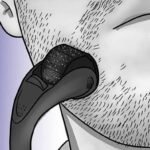
7. Try Derma Rolling (Microneedling for Beard Growth)
One of the more surprising beard growth tips to gain popularity in recent years is derma rolling — using a small roller with tiny needles (typically 0.5mm to 0.75mm) on the skin of your face. This creates micro-injuries that stimulate collagen production and increase blood flow to follicles.
Several small studies have found that microneedling, especially combined with minoxidil, can improve hair density in areas of sparse growth. This makes it a promising patchy beard solution for men who struggle with uneven coverage.
How to use a derma roller for beard growth:
- Cleanse your face thoroughly
- Roll gently in horizontal, vertical, and diagonal directions over the patchy area
- Apply beard oil or a growth serum immediately after
- Use 1–2 times per week — not more
Start with a 0.5mm roller and work your way up slowly. Always sanitize your roller before and after use.
8. Consider Minoxidil (The Controversial But Effective Option)
Minoxidil — originally developed for scalp hair loss — has become increasingly popular among men seeking patchy beard solutions. Applied topically to the face, it can stimulate dormant follicles and fill in sparse areas over time.
Results vary, and it requires consistent, long-term use (often 6–12 months) to see significant change. It’s not FDA-approved specifically for beard use, and some men experience side effects like skin irritation. Speak with a dermatologist before going this route.
Read also: Beard Grooming Tips: The Complete Guide to a Cleaner, Sharper Beard
Patchy Beard Solutions: What to Do If Your Beard Won’t Fill In
Patches are frustrating, but they’re incredibly common. Here are practical patchy beard solutions that actually work:
- Grow it longer. Longer beard hairs naturally cover patchy areas as they curl and cross over thin spots.
- Use beard filler products. Similar to makeup, beard filler pencils or fibers can disguise patches temporarily.
- Derma roll the patchy zones. As mentioned above, consistent microneedling can improve density over time.
- Work with the patches. Some beard styles — like a goatee, chin strap, or short stubble — look intentional even with uneven growth.
- Give it time. Many men who thought they’d never fill in were pleasantly surprised by age 25–30.
Read also: Men Grooming Routine: The Complete Guide Every Man Needs in 2026
FAQ: How to Grow a Beard Faster
How long does it take to grow a full beard? On average, beard hair grows about half an inch per month. A full beard typically takes 2–6 months to grow in, depending on genetics and how well you support growth habits.
Does shaving make your beard grow faster? No — this is a myth. Shaving does not affect the rate or thickness of beard growth. It only removes the tapered tip of the hair, making regrowth feel coarser, but the follicle itself is unchanged.
What beard vitamins actually work? Biotin, zinc, vitamin D, and B-complex vitamins have the most research supporting their role in hair growth. Look for supplements that combine these rather than relying on biotin alone.
Can I speed up beard growth naturally? Yes — through diet, exercise, sleep, stress management, and a consistent beard care routine, you can meaningfully support faster and fuller growth. It won’t happen overnight, but these habits compound over months.
Why is my beard growing so slowly? Common causes include nutrient deficiencies, low testosterone, high stress, poor sleep, or simply genetics. Start with lifestyle improvements before assuming there’s an underlying issue.
Conclusion: Grow the Beard You Want, One Habit at a Time
Learning how to grow a beard faster isn’t about finding a magic pill — it’s about stacking smart habits that support your body’s natural ability to grow hair. From dialing in your nutrition and beard vitamins to building a consistent beard care routine and addressing patches with proven solutions, every step you take adds up.
Start with the basics — sleep, diet, stress — and layer in tools like derma rolling or targeted supplements as you go. Be patient, stay consistent, and give your beard the environment it needs to thrive.
Your best beard is more achievable than you think.