
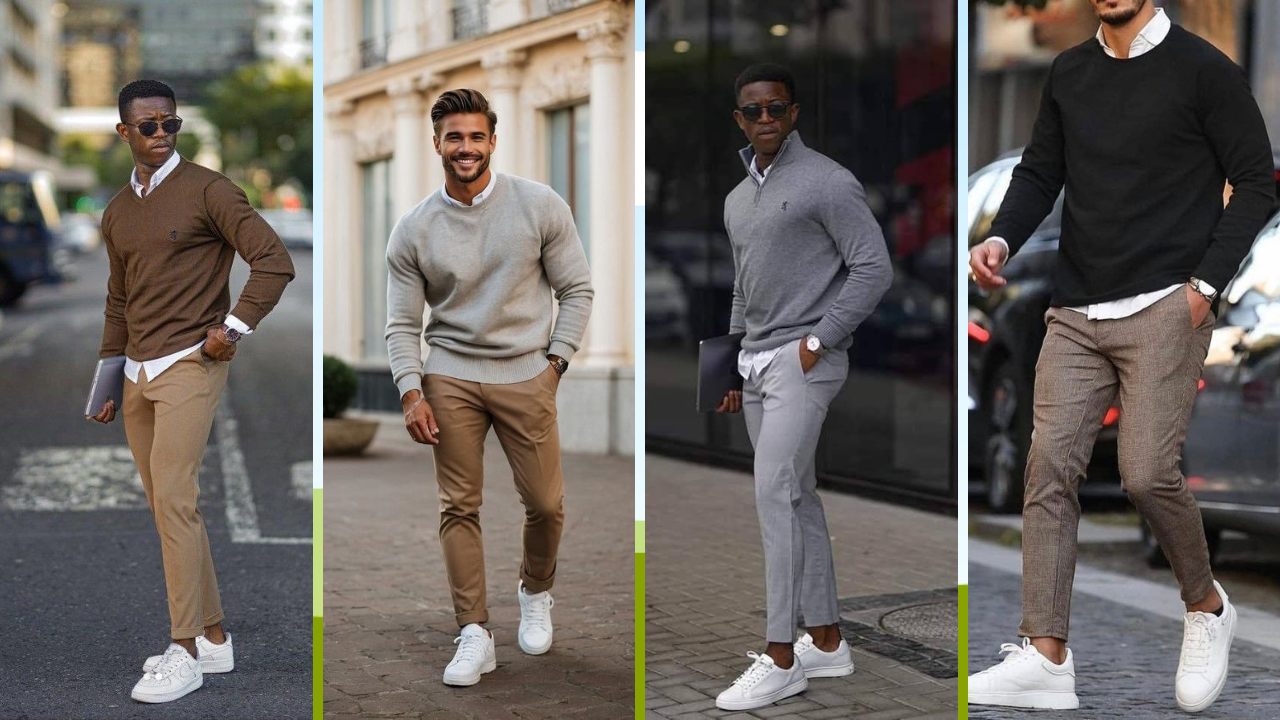
Struggling to put together outfits that actually look good? You’re not alone. Learning how to match clothes colors for men is one of the most fundamental yet overlooked skills in building a stylish wardrobe.
Many men stick to safe combinations like black and white because they’re unsure how to pair colors confidently.
The good news? Color matching isn’t complicated once you understand a few simple principles.
This beginner-friendly guide will teach you practical color coordination rules, safe combinations that always work, and how to add personality to your outfits without looking like a rainbow exploded in your closet.
Understanding Basic Color Theory for Men’s Fashion
The Color Wheel Simplified
You don’t need to be an artist to use color effectively in your wardrobe.
The color wheel organizes colors into relationships that naturally work well together.
Primary colors: Red, blue, and yellow form the foundation.
Secondary colors: Green, orange, and purple are created by mixing primary colors.

Neutral colors: Black, white, gray, navy, and brown work with almost everything.
Understanding these relationships helps you create outfits that look intentional rather than accidentally thrown together.
Warm vs. Cool Colors
Colors fall into two temperature categories that affect how they look together.
Warm colors include red, orange, yellow, and brown tones. They create energetic, approachable looks.

Cool colors include blue, green, purple, and gray tones. They project calmness and professionalism.
Generally, warm colors pair best with other warm colors, and cool with cool. Mixing temperatures can work but requires more careful coordination.
Essential Color Matching Rules Every Man Should Know
Rule 1: Start With Neutrals
Neutrals are your safety net and foundation for every outfit.
Build outfits around these foolproof neutral colors:
- Navy blue
- Gray (light, medium, or charcoal)
- Black
- White and cream
- Brown and tan
- Beige and khaki
These colors complement each other and provide a backdrop for adding color strategically.
A simple formula: neutral pants + neutral shirt + one colorful piece creates balanced, stylish outfits effortlessly.
Rule 2: The Three-Color Maximum
Limit your outfit to three colors maximum to avoid looking chaotic.
This includes your shoes, pants, shirt, and jacket.
Example combination:
- Navy chinos (color 1)
- White t-shirt (color 2)
- Olive jacket (color 3)
- Brown shoes (can match existing color)
Accessories like watches or belts typically match existing colors rather than adding new ones.
Rule 3: Match Your Undertones
Colors have undertones that should harmonize throughout your outfit.
Cool-toned grays pair better with other cool colors like navy or burgundy. Warm-toned browns work better with olive, tan, or rust.
Mixing undertones creates visual discord that makes outfits feel “off” even when colors technically match.
Rule 4: Use the 60-30-10 Principle
Professional stylists use this ratio for balanced color distribution:
- 60% – Dominant color (usually pants or main piece)
- 30% – Secondary color (shirt or jacket)
- 10% – Accent color (accessories, shoes, or details)
This creates visual hierarchy and prevents any single color from overwhelming your look.
Foolproof Color Combinations That Always Work
Classic Navy Combinations

Navy is the most versatile color in men’s fashion and the foundation for learning how to match clothes colors for men effectively.
Navy pairs perfectly with:
- White or cream (crisp and clean)
- Gray (sophisticated and modern)
- Burgundy or wine (rich and elegant)
- Olive green (casual and masculine)
- Tan or camel (warm and approachable)
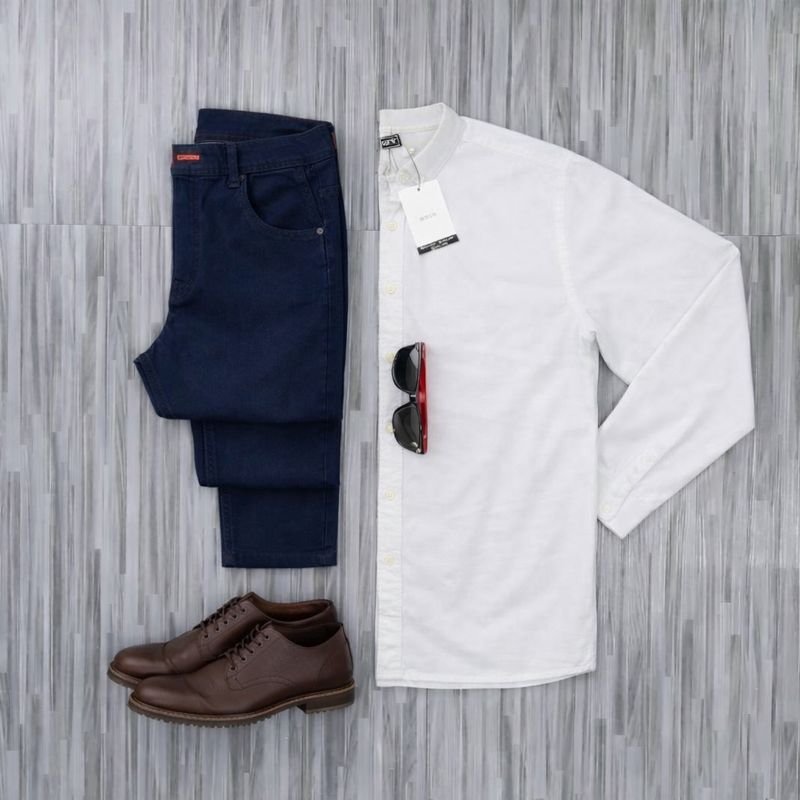
Example outfit: Navy chinos + white button-down + brown leather shoes
Gray Outfit Formulas
Gray works as both a dominant color and neutral backdrop.
Gray combines well with:
- Navy (classic business look)
- Black (sleek and urban)
- Burgundy or maroon (adds warmth)
- Forest green (outdoor aesthetic)
- Mustard yellow (adds personality)
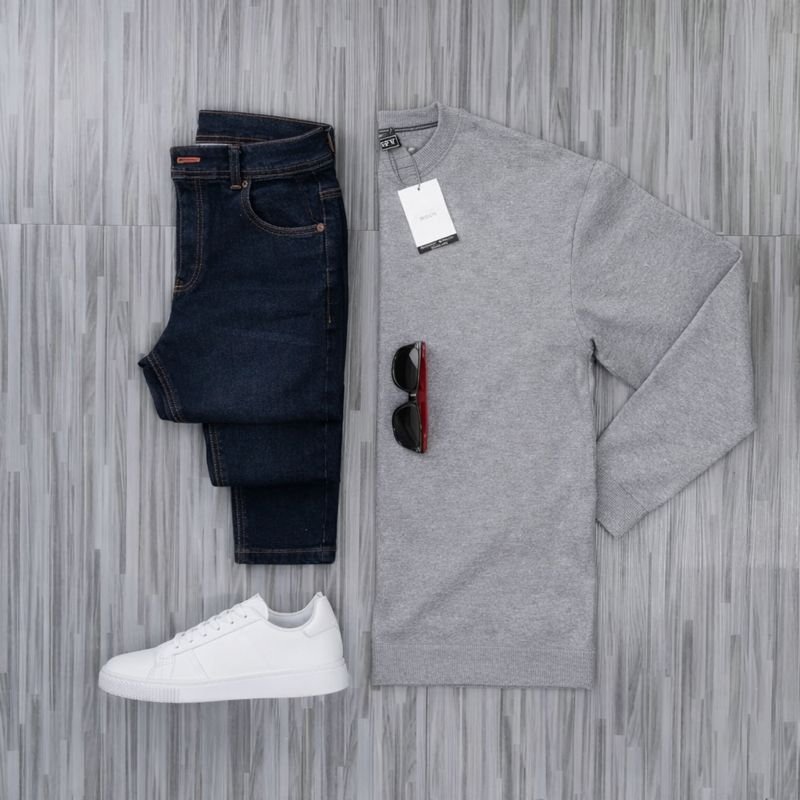
Example outfit: Gray sweater + dark jeans + white sneakers
Earth Tone Pairings
Browns, tans, olives, and warm neutrals create cohesive, masculine looks.
Earth tones work together:
- Tan + olive + cream
- Brown + navy + white
- Khaki + burgundy + gray
- Olive + rust + cream
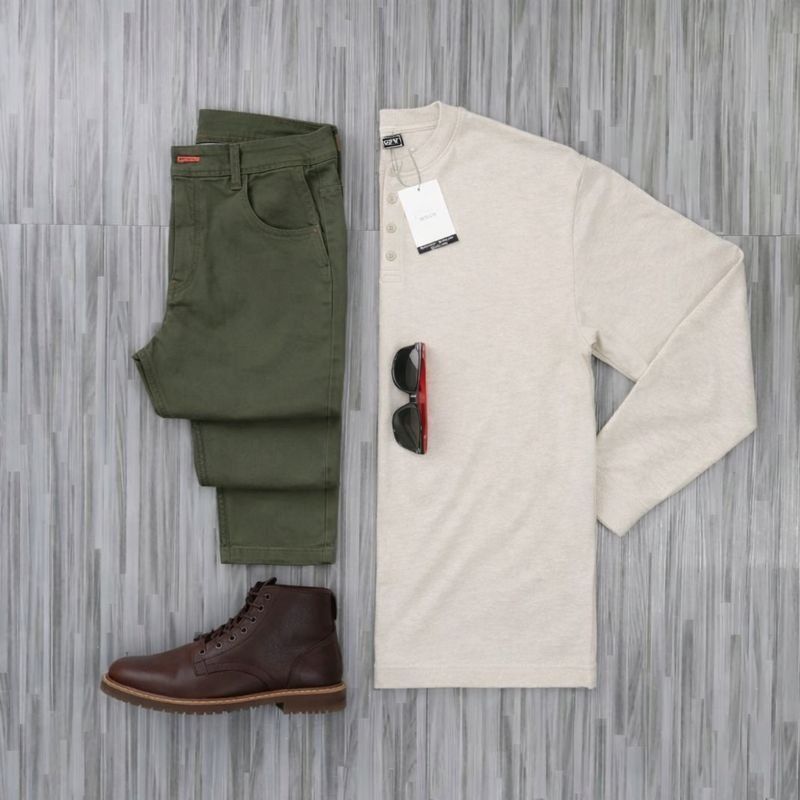
Example outfit: Olive chinos + cream henley + brown boots
Monochromatic Styling
Wearing different shades of the same color creates sophisticated, streamlined looks.
This technique is especially effective with:
- Blues (light blue shirt + navy pants + dark blue jacket)
- Grays (light gray tee + charcoal pants + medium gray jacket)
- Browns (tan shirt + chocolate pants + camel coat)
Monochromatic outfits look intentional and stylish while being incredibly easy to put together.
Common Color Matching Mistakes Men Make
Mistake 1: Black and Navy Together
This combination looks muddy and creates confusing contrast.
The fix: Choose one or the other. If wearing navy pants, use gray or brown shoes instead of black. Save black for true black outfits.
Mistake 2: Too Many Patterns
Mixing multiple patterns in clashing colors creates visual chaos.
The fix: If wearing patterned pants, keep your shirt solid. If wearing a patterned shirt, keep pants simple. Limit patterns to one statement piece per outfit.
Mistake 3: Matching Everything Exactly
Wearing the exact same shade of blue in your shirt and pants looks like a uniform.
The fix: Vary your shades. Light blue shirt with dark navy pants works. Medium blue shirt with medium blue pants doesn’t.
Mistake 4: Ignoring Your Skin Tone
Certain colors complement your natural coloring while others wash you out.
The fix: Experiment to find which colors make your complexion look healthy. Generally, warmer skin tones suit earth tones, while cooler complexions look better in jewel tones.
Mistake 5: Wearing All Bright Colors
Multiple bright colors competing for attention creates an overwhelming look.
The fix: Use bright colors as accents only. One colorful piece against neutral foundations lets that color shine without overwhelming.
Advanced Tips for Confident Color Coordination
Adding Color Gradually
If you’re new to color matching, introduce color slowly through accessories.
Start with:
- Colored socks
- Patterned ties or pocket squares
- Colorful sneakers
- Statement watches with colored straps
This builds confidence before moving to colorful shirts or pants.
Seasonal Color Adjustments
Adapt your color palette to the seasons for cohesive, appropriate styling.
Spring/Summer colors: Lighter shades, pastels, brighter tones
- Light blue, mint green, cream, light gray, coral
Fall/Winter colors: Deeper shades, richer tones, darker hues
- Burgundy, forest green, charcoal, navy, rust, chocolate brown
Using Color Psychology
Colors communicate messages before you say a word.
Navy and gray: Professional, trustworthy, conservative Earth tones: Approachable, reliable, masculine Black: Powerful, modern, sophisticated Burgundy: Confident, refined, mature White: Clean, simple, fresh
Choose colors strategically based on the impression you want to create.
The Print Matching Trick
When wearing patterned items, pull accent colors from the pattern.
If your plaid shirt contains navy, white, and red threads, pair it with navy pants or khakis. This creates cohesion between pieces.
Texture Adds Dimension
When using similar colors, vary textures to add visual interest.
Navy cotton pants + navy wool sweater + navy denim jacket creates depth through texture variation rather than color contrast.
Frequently Asked Questions
What colors should men avoid wearing together?
Avoid brown and black together, as they create muddy contrast. Also skip bright red and bright green (too Christmas-y), and bright orange with bright pink (too loud). Generally, avoid pairing multiple bright colors—stick to one bright color maximum per outfit with neutral bases.
Can I wear black and brown in the same outfit?
This traditionally clashed, but modern fashion allows it with careful styling. The key is ensuring sufficient contrast—light brown with black works better than dark brown with black. However, beginners should choose one or the other until more confident with color matching.
How do I match shoes with my outfit?
Match shoe color to your pants or belt rather than your shirt. Brown shoes pair with earth tones, navy, and gray. Black shoes work with black, gray, and navy. White sneakers are neutral and work with most casual combinations. Avoid shoes that exactly match your shirt color.
What’s the easiest color combination for beginners?
Navy pants with a white shirt and brown shoes is the easiest, most versatile combination. From there, try gray pants with navy shirt, or khaki pants with light blue shirt. These neutral-heavy combinations virtually never fail and build confidence for experimenting further.
Should my belt match my shoes exactly?
They should be in the same color family but don’t need to match perfectly. Black belt with black shoes, brown belt with brown shoes. Within browns, you have flexibility—tan belt works with most brown shoe shades. Exact matching looks overly coordinated and unnatural.
Conclusion
Mastering how to match clothes colors for men transforms your entire wardrobe by making every piece work harder and look better together.
Start with neutral foundations like navy, gray, and white. Follow the three-color maximum rule and use the 60-30-10 principle for balanced outfits.
Remember that color matching isn’t about memorizing endless rules—it’s about understanding basic principles and building confidence through practice.
Begin with safe combinations like navy and white or gray and burgundy. As you grow comfortable, experiment with new colors and develop your personal style preferences.
The most important thing is that your outfit feels cohesive and intentional. When your colors work together harmoniously, you’ll look put-together and stylish without even trying.