

If you’ve ever finished a shave only to wake up the next morning with a cluster of red, inflamed bumps along your jawline or neck, you already know how frustrating razor bumps can be.
Learning how to prevent razor bumps isn’t complicated, but it does require the right technique, the right products, and a little understanding of what’s actually happening beneath the surface of your skin.

Get those three things right, and smooth, irritation-free skin after every shave becomes the norm rather than the exception.
What Are Razor Bumps and Why Do They Happen?
Before diving into prevention, it helps to understand exactly what you’re dealing with. Razor bumps — clinically known as pseudofolliculitis barbae — occur when freshly cut hairs curl back and grow into the surrounding skin instead of outward.

The body treats this like a foreign invader, triggering an inflammatory response that shows up as red, raised, sometimes painful bumps.
They’re most common in men with coarse or curly hair, particularly along the neck and jawline, but any man who shaves regularly can experience them. Shaving irritation, ingrown hairs, and razor bumps are all closely related — and in most cases, they share the same root causes: shaving too close, using a dull blade, skipping proper skin prep, or neglecting post shave care.
The good news is that every single one of those causes is within your control.
Read also: Beard Grooming Tips: The Complete Guide to a Cleaner, Sharper Beard

The Real Causes of Razor Bumps and Shaving Irritation
Understanding the cause is half the battle when it comes to ingrown hair prevention. Here’s what’s most commonly going wrong:
Dull blades drag across the skin rather than cutting cleanly, pulling the hair before slicing it. This leaves a jagged, angled edge on the cut hair that’s far more likely to curl back into the skin.
Shaving against the grain cuts hair below the skin’s surface, which sounds like a close shave — and it is — but it dramatically increases the chance of the hair tip being trapped beneath the skin as it regrows.
Dry shaving or inadequate preparation means the skin and hair aren’t softened before the blade makes contact. A dry hair shaft is stiffer and harder to cut cleanly, leading to more pulling, tugging, and irregular cuts.
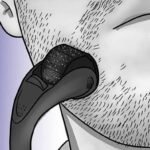
Too many passes with the razor in the same area strips away the protective outer layer of skin, leaving it raw, sensitized, and vulnerable to inflammation and ingrown hairs.
Pressing too hard with the razor is one of the most common technique errors. A sharp blade requires almost no pressure — forcing the razor into the skin causes micro-abrasions and dramatically increases irritation.
How to Prevent Razor Bumps: Step-by-Step
This is the practical core of any solid shaving irritation tips guide. Follow these steps consistently and you’ll see a significant difference within a week or two.
Step 1 — Always Soften the Skin and Hair First
The single most impactful thing you can do before a razor touches your face is to properly prepare the skin. Shave after a warm shower whenever possible. Two to three minutes of warm water exposure softens the hair shaft by up to seventy percent, making it far easier to cut cleanly with minimal resistance.
If you can’t shower first, apply a warm, damp towel to your face for sixty to ninety seconds before shaving. The warmth and moisture do the same job — opening pores, softening hair, and making the shave dramatically smoother.
Step 2 — Use a Quality Pre-Shave Product
After warming the skin, apply a pre-shave oil or a hydrating shave cream before your main lathering step. Pre-shave oil creates a slick, protective layer between the blade and the skin, reducing friction significantly. This step alone can eliminate a large portion of shaving irritation for men who skip it.
Look for pre-shave oils with ingredients like jojoba oil, grapeseed oil, or castor oil — all of which provide excellent slip without clogging pores.
Step 3 — Choose the Right Shaving Cream or Gel
Not all shaving products are equal. Aerosol foams, despite being the most widely used, tend to be the worst option for men prone to razor bumps. They typically contain alcohol and propellants that dry out the skin and don’t provide adequate lubrication for the blade.
A high-quality shaving cream or gel — ideally one with moisturizing ingredients like glycerin, shea butter, or aloe vera — provides far better blade glide and skin protection. Apply it in circular motions to lift the hairs away from the skin before shaving.
Step 4 — Use a Sharp, Clean Blade — and Replace It Often
A sharp blade is one of the most important tools in your ingrown hair prevention arsenal. Most men use their blades far too long. A cartridge razor blade should be replaced every five to seven shaves. A single-blade safety razor blade should be replaced every three to four shaves.
A blade that’s past its prime doesn’t just perform poorly — it actively causes razor bumps by dragging, tugging, and cutting hairs at irregular angles. The cost of replacing blades regularly is minimal compared to the skin irritation and inflammation that a dull blade causes.
Step 5 — Shave With the Grain First
This is one of the most effective shaving irritation tips, and one of the most debated. Shaving with the grain — meaning in the direction your hair grows — produces a slightly less close shave than going against the grain, but it dramatically reduces the risk of razor bumps and ingrown hairs.
Before you start, take a moment to map your grain direction. Run your hand across your stubble in different directions — the direction that feels smooth is with the grain, the direction that feels rough is against it. Your grain direction is often different in different areas of your face and neck, so don’t assume it’s uniform.
If you want a closer shave, do a first pass with the grain, relather, and then do a careful second pass across the grain (sideways). Reserve going against the grain only for specific areas where stubble is very resistant, and do it as a final, very light pass after the other two.
Step 6 — Use Minimal Pressure
Let the weight of the razor do the work. A quality sharp blade needs almost zero pressure to cut effectively. The more you press, the more trauma you’re causing to the skin beneath. If you find yourself pressing hard to get a close shave, it’s almost always a sign that your blade needs replacing.
Use short, gentle strokes and rinse the blade frequently to prevent hair and product buildup from reducing its effectiveness.
Step 7 — Rinse With Cold Water After Shaving
Once you’re done shaving, rinse your face thoroughly with cold water. Cold water closes the pores, tightens the skin, reduces inflammation, and helps prevent bacteria from entering freshly opened follicles — all of which contribute to ingrown hair prevention. Avoid hot water at this stage, which keeps pores open and increases the risk of irritation and infection.
Post Shave Care: The Step Most Men Rush Through
Here’s an honest truth about post shave care: most men treat it as optional. It isn’t. What you put on your skin in the two to three minutes after shaving has a huge impact on whether you wake up the next morning with smooth skin or a cluster of razor bumps.
Skip the Alcohol-Based Aftershave
Traditional alcohol-based aftershaves sting for a reason — they’re stripping moisture from already-sensitized skin and disrupting the skin barrier at exactly the moment it needs protection, not punishment. The classic aftershave slap is tradition, not skincare.
Switch to an alcohol-free aftershave balm or gel. Look for soothing, skin-repairing ingredients like aloe vera, witch hazel (the non-alcohol form), niacinamide, allantoin, or centella asiatica. These calm inflammation, support skin healing, and reduce the redness and sensitivity that leads to razor bumps.
Apply a Soothing Serum or Moisturizer
After your aftershave balm has absorbed, follow up with a lightweight, non-comedogenic moisturizer. Freshly shaved skin loses moisture rapidly — sealing that moisture in immediately after shaving keeps the skin barrier intact and healthy.
For men who are particularly prone to razor bumps, look for moisturizers containing salicylic acid (in low concentrations around 0.5 to 1 percent) or glycolic acid. These gentle chemical exfoliants help prevent dead skin cells from trapping regrown hairs, which is one of the primary mechanisms behind ingrown hair formation.
Consider a Dedicated Bump Treatment
If you’re already dealing with existing razor bumps, a dedicated ingrown hair treatment serum can help resolve them faster. Products containing low-dose salicylic acid, tea tree oil, or retinol work by exfoliating the skin around the trapped hair, allowing it to emerge naturally rather than continuing to grow inward.
Apply these treatments to affected areas after shaving and as part of your evening skincare routine on non-shaving days.
Skin Soothing Tips for the Days Between Shaves
Ingrown hair prevention isn’t only about what you do on shaving days — the days between shaves matter too. Here are the most effective skin soothing tips to keep irritation at bay between sessions.
Exfoliate two to three times per week. Regular exfoliation removes the dead skin cells that can trap regrown hairs and block follicles. Use a gentle face scrub or a chemical exfoliant like a salicylic acid toner. Don’t over-exfoliate — this causes its own set of skin problems.
Keep the skin moisturized daily. Dry, dehydrated skin is more prone to irritation and makes it easier for hairs to become trapped. A daily moisturizer keeps the skin supple, healthy, and better equipped to handle the mechanical stress of shaving.
Don’t pick or squeeze razor bumps. It’s tempting, but picking at bumps introduces bacteria, causes additional inflammation, and can lead to scarring. If a hair is visibly trapped just beneath the skin’s surface, you can gently release it with a sterile needle — but don’t dig or squeeze.
Give your skin rest days. If your lifestyle allows it, skipping a shave every few days gives your skin time to recover and repair. Maintaining a short, even stubble length rather than always shaving completely bare significantly reduces the frequency and severity of razor bumps for many men.
Stay hydrated and eat well. Skin health is directly connected to overall health. Proper hydration, adequate sleep, and a diet rich in omega-3 fatty acids and antioxidants all support faster skin recovery and a stronger skin barrier.
When to See a Dermatologist
For most men, the steps above will resolve razor bumps significantly within two to four weeks of consistent practice. However, if your razor bumps are severe, spreading, becoming infected (producing pus or significant swelling), or simply aren’t responding to better technique and products, it’s worth consulting a dermatologist.
A dermatologist can prescribe topical retinoids, low-strength steroid creams, or antibiotic treatments for severe cases of pseudofolliculitis barbae. In some cases, laser hair removal is discussed as a long-term solution for men whose skin is chronically unable to tolerate regular shaving.
FAQ: How to Prevent Razor Bumps
Why do I get razor bumps but my friend doesn’t? Genetics play a significant role. Men with coarse, curly hair — particularly those of African, Hispanic, and Middle Eastern descent — are statistically more prone to razor bumps because curved hair follicles make it far easier for cut hairs to curl back into the skin. Technique and products matter for everyone, but they matter even more if you’re genetically predisposed.
Is a safety razor better than a cartridge razor for preventing razor bumps? For many men, yes. A single-blade safety razor cuts the hair at skin level rather than pulling it slightly and cutting below the surface the way multi-blade cartridge razors can. Fewer blades typically means less irritation and fewer ingrown hairs — though technique still matters enormously regardless of which razor you use.
How long does it take for razor bumps to go away? Existing razor bumps typically resolve within one to two weeks with proper post shave care and by avoiding irritating the area further. Improving your technique reduces the formation of new ones almost immediately.
Can women get razor bumps too? Absolutely. Razor bumps are equally common in women, particularly on the legs, underarms, and bikini area. All of the same prevention and treatment principles apply regardless of where on the body shaving takes place.
Does shaving cream actually make a difference? Significantly, yes. The right shaving cream provides the lubrication and cushioning that allows the blade to glide cleanly rather than drag. Skipping it — or using a low-quality product — is one of the fastest ways to guarantee irritation and razor bumps.
Conclusion: Smooth Skin Is About Consistency, Not Luck
Learning how to prevent razor bumps is really about building a consistent routine that respects your skin at every stage of the shave — before, during, and after. The men who struggle most with razor bumps and shaving irritation are almost always cutting corners somewhere in the process: using a blade too long, skipping pre-shave prep, rushing through post shave care, or fighting their grain direction.
Apply the techniques in this guide consistently for two to four weeks and the difference will be visible and measurable. Smoother skin, less inflammation, fewer ingrown hairs, and a shave that actually feels good rather than something to dread — that’s what proper technique and the right products deliver every single time.
Struggling with a specific area or skin type? The right approach is out there — smooth, bump-free skin after every shave is absolutely achievable.
Read also: