
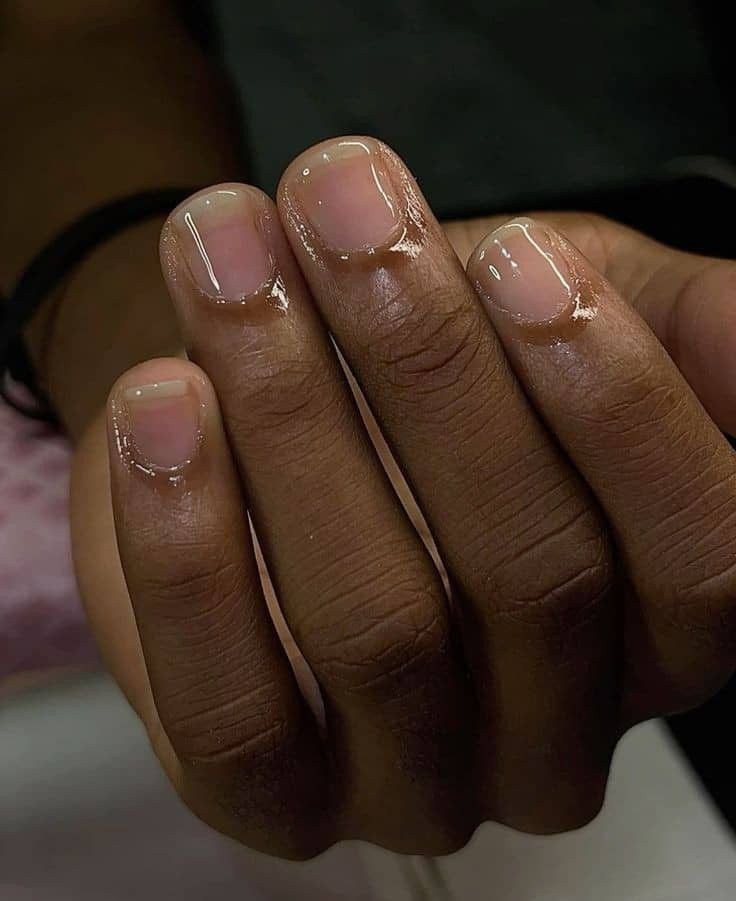
Let’s be honest — men’s nail grooming is one of those things that rarely gets talked about but always gets noticed.
Clean, trimmed nails communicate that you take care of yourself. Ragged, dirty, overgrown nails communicate the opposite, no matter how well-dressed or well-groomed everything else is.

This guide covers everything you need to know about nail hygiene, hand grooming, and building a clean nails routine that takes less than ten minutes a week.
Why Nail Grooming Matters More Than Men Think
Your hands are one of the most visible and frequently noticed parts of your body. You shake hands in professional settings, gesture when you talk, hand people things, and use your hands in almost every interaction you have throughout the day. People notice hands — consciously or not.

Beyond appearance, nail hygiene has a direct impact on your health. The space beneath your nails is one of the most bacteria-dense areas on the human body.
Poor nail hygiene contributes to the spread of illness, fungal infections, and skin irritation. A clean nails routine isn’t just about looking good — it’s a fundamental part of personal care basics that protect both you and the people around you.
The Personal Care Basics: Understanding Your Nails
Before building a grooming routine, it helps to understand what you’re actually working with.
Nails grow from the nail matrix — the tissue just below the base of your nail. Fingernails grow roughly 3–4mm per month, meaning most men need to trim their fingernails every one to two weeks. Toenails grow slower — about 1.5mm per month — and typically need trimming every three to four weeks.

Healthy nails are firm, smooth, and pale pink with a defined white tip. Signs that something’s off include yellowing, brittleness, thickening, unusual spots, or persistent discoloration — any of which are worth checking with a doctor or dermatologist if they don’t resolve on their own.
Now let’s get into the actual nail grooming tips.
Men’s Nail Grooming Tips: A Zone-by-Zone Breakdown
Fingernails
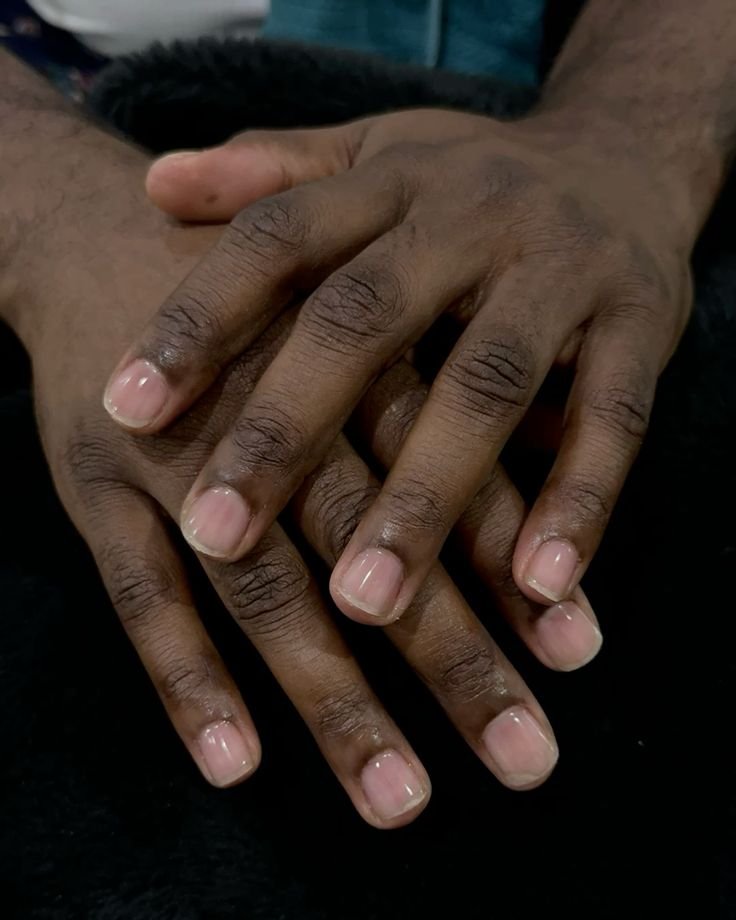
Fingernails are front and center in every interaction, which makes them the priority in any hand grooming tips guide.
How to trim fingernails properly:
- Trim after showering — nails are softer and less likely to crack or split when they’ve been softened by warm water. Never trim dry nails if you can avoid it.
- Use sharp, dedicated nail clippers — dull clippers crush and tear the nail instead of cutting cleanly. A quality pair of nail clippers lasts years and costs very little.
- Cut straight across first, then round the edges — trim in small sections rather than one big clip to reduce the risk of splitting. Then use a nail file to gently smooth the edges into a slight curve that follows the natural shape of your fingertip.
- Don’t cut too short — leave a thin sliver of white tip visible. Cutting down to the quick is painful, increases infection risk, and makes nails look worse, not better.
- File in one direction — back-and-forth filing weakens the nail over time. Always file from the outer edge toward the center in smooth, single strokes.
How short should fingernails be? A good benchmark is that your nail should not extend beyond the tip of your finger when viewed from the palm side. Anything longer looks untrimmed; anything shorter risks discomfort and infection.
Toenails
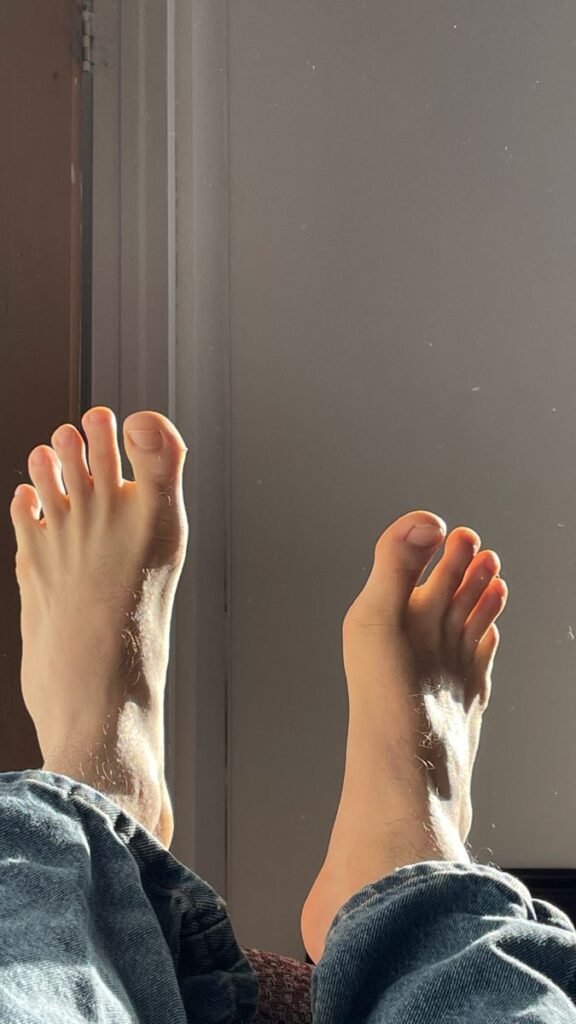
Toenail grooming gets significantly less attention than fingernails, but neglected toenails cause real problems — ingrown nails, fungal infections, discomfort in shoes, and an overall impression of poor personal hygiene whenever you’re barefoot.
How to trim toenails properly:
- Soak your feet for 5–10 minutes in warm water first — toenails are significantly thicker and harder than fingernails and much easier to cut when softened.
- Use toenail-specific clippers — these are wider and stronger than fingernail clippers, designed for the thickness and shape of toenails.
- Cut straight across — never curved — this is critical for toenails. Cutting the corners of toenails in a curve encourages ingrown nails, which are painful and can become infected. Keep the edge flat and even.
- File any sharp corners smooth after trimming.
- Trim every 3–4 weeks, or whenever nails start pressing against the inside of your socks or shoes.
Cuticles
The cuticle is the thin strip of skin at the base of your nail that protects the nail matrix from bacteria and infection. Most men ignore cuticles entirely — or worse, pick and tear at them absentmindedly.
Here’s what the nail hygiene guide says about cuticles:
- Never cut cuticles — removing cuticles creates an open pathway for bacteria and can lead to painful infections. Dermatologists consistently advise against cutting them.
- Push them back gently instead — after a shower, when skin is soft, use a wooden cuticle pusher or a soft towel to gently push cuticles back toward the base of the nail. This keeps them tidy without the infection risk.
- Moisturize them regularly — dry, cracked cuticles are the result of dehydration and frequent hand washing. Applying a small amount of cuticle oil or even a basic hand lotion to the nail base keeps them soft and prevents painful splits.
Under the Nails
The space beneath your nails deserves specific attention because it’s where bacteria, dirt, and debris accumulate throughout the day — especially if you work with your hands.
How to keep under your nails clean:
- Use a nail brush with warm soapy water every time you wash your hands — particularly before meals and after any activity involving dirt or grease.
- A wooden or metal nail cleaning tool can dislodge built-up debris during your weekly grooming session. Use it gently — aggressive digging damages the delicate skin underneath the nail.
- Keep your nails short enough that significant debris can’t accumulate in the first place. This is the easiest long-term solution.
Building Your Clean Nails Routine: A Practical Schedule
A complete nail grooming routine doesn’t need to be time-consuming. Here’s how to structure it simply and sustainably:
Daily:
- Wash hands thoroughly, including using a nail brush under and around nails
- Apply hand lotion after washing — especially important in dry or cold weather
- Avoid picking at cuticles or peeling nails absentmindedly
Every 1–2 Weeks (Fingernails):
- Trim fingernails after showering
- File edges smooth
- Push back cuticles gently
- Clean beneath nails with a nail brush or cleaning tool
- Apply cuticle oil or hand lotion to finish
Every 3–4 Weeks (Toenails):
- Soak feet briefly in warm water
- Trim toenails straight across with dedicated toenail clippers
- File any sharp corners
- Apply foot cream and check for any signs of discoloration, thickening, or fungal changes
Monthly Check-in:
- Inspect all nails for changes in color, texture, or thickness
- Sanitize your nail clippers and tools with rubbing alcohol
- Replace worn or dull clippers — they’re inexpensive and make a significant difference
This entire routine — fingernails and toenails combined — takes less than 15 minutes when done weekly. Most of that time is passive (soaking, showering). The actual grooming is five to seven minutes at most.
Hand Grooming Tips Beyond the Nails
A complete hand grooming tips approach goes beyond just the nails. Your hands age quickly and visibly, and how you treat the skin on your hands matters nearly as much as the nails themselves.
Moisturize your hands daily. Hand skin takes a beating — frequent washing, weather, sun exposure, and physical work all dry it out. Apply a simple, unscented hand lotion every night before bed and after washing your hands throughout the day. This is one of the most underrated personal care basics for men.
Wear SPF on your hands. The backs of your hands are almost always exposed to sunlight and are one of the most common places where premature aging and sun damage show up. A light SPF 30 applied to your hands in the morning is a small habit with significant long-term payoff.
Treat calluses and rough skin. If your hands are rough from work or physical activity, a pumice stone or gentle exfoliating scrub used weekly helps keep skin smooth without over-stripping it. Follow with a rich hand cream immediately after.
Deal with hangnails immediately and correctly. Hangnails — those small strips of dry skin at the nail edges — are annoying and tempting to pull. Never pull them — it tears living skin and opens the area to infection. Instead, use small, sharp scissors or nail clippers to cleanly trim the hangnail at its base, then moisturize the area.
The Right Tools for Men’s Nail Grooming
Having the right equipment makes every part of your clean nails routine faster and more effective. Here’s what a well-equipped grooming kit should include for nails:
- Fingernail clippers — a medium-sized, sharp, quality pair. Brands like Seki Edge, Harperton, or even a solid drugstore pair work well. Replace when they start crushing instead of cutting.
- Toenail clippers — wider and heavier than fingernail clippers. Essential if you’re serious about proper toenail care.
- Nail file or emery board — for smoothing edges after trimming. A glass nail file lasts longer and is gentler than disposable emery boards.
- Cuticle pusher — wooden orange sticks are inexpensive and disposable; metal pushers last longer. Either works.
- Nail brush — for under-nail cleaning during hand washing. Small, firm-bristled, and cheap.
- Cuticle oil — keeps the nail base hydrated and prevents painful splits and hangnails.
- Hand lotion — applied daily to keep skin on hands soft and prevent premature aging.
You can assemble a complete nail grooming kit for under $30 that will last years with basic maintenance.
Common Nail Grooming Mistakes Men Make
Even with the best intentions, a few common errors can undermine your nail hygiene guide efforts:
Cutting nails too short. It feels cleaner, but it’s painful, increases infection risk, and looks worse than nails trimmed to the right length.
Using dull clippers. Dull clippers crush and split the nail instead of cutting cleanly. This causes jagged edges and weakens the nail structure over time.
Cutting toenails in a curve. Shaping toenails like fingernails is one of the most common causes of ingrown toenails — a painful and preventable problem.
Cutting cuticles. As mentioned above, this creates an infection pathway. Push don’t cut.
Ignoring toenails. Out of sight shouldn’t mean out of mind. Neglected toenails become thick, discolored, and far harder to manage over time.
Using the same clippers for fingers and toes without cleaning. Toenail clippers pick up more bacteria and fungus. Clean your tools with rubbing alcohol after use and ideally keep separate clippers for each.
Not moisturizing. Dry nails are brittle and more prone to splitting, peeling, and hangnails. Lotion and cuticle oil are not optional extras — they’re part of the routine.
FAQ: Men’s Nail Grooming Tips
How often should men cut their fingernails? Every one to two weeks is the right frequency for most men. If you notice your nails extending past the tip of your finger or collecting debris beneath the edge, it’s time to trim.
Should men moisturize their nails? Yes — both the skin around the nails and the nails themselves benefit from moisture. Dry nails crack and peel; dry cuticles split and become painful. A daily hand lotion and a weekly application of cuticle oil address both issues effectively.
What causes yellow toenails? Yellowing is most commonly caused by a fungal infection, particularly in men who wear closed-toe shoes for long periods or who use public showers without foot protection. Over-the-counter antifungal treatments work for mild cases; persistent or spreading discoloration warrants a visit to a doctor.
Is it okay to bite your nails? From a health standpoint, no. Nail biting transfers bacteria directly into your mouth, damages the nail bed over time, and creates ragged, uneven nails that are difficult to maintain. It’s also a notoriously hard habit to break, but strategies like keeping nails trimmed short, using bitter-tasting nail deterrent polish, and identifying your triggers all help.
What’s the difference between a manicure and basic nail grooming? Basic nail grooming — trimming, filing, cleaning, and moisturizing — is something every man can and should do at home. A professional manicure includes more detailed cuticle work, nail shaping, and often a hand massage. It’s not necessary for most men but is a legitimate treat and a good way to get a thorough clean-up a few times a year.
Do men’s nails need different care than women’s nails? Biologically, no — nails are nails. Men’s nails tend to be thicker and harder, which just means using appropriate tools rather than a different approach. The fundamentals of trimming, filing, moisturizing, and cleaning are identical.
Conclusion: Men’s Nail Grooming Tips That Actually Fit Your Life
The best men nail grooming tips are the ones simple enough that you’ll actually follow them consistently. A sharp pair of clippers, a nail file, some hand lotion, and ten minutes every week or two is genuinely all it takes to maintain clean, well-kept nails that make a strong impression in every setting.
Work through this nail hygiene guide zone by zone — fingernails first, then toenails, then cuticles and the skin around them. Build a clean nails routine that fits your schedule rather than fighting against it. Apply the hand grooming tips beyond just the nails, and treat moisturizing and SPF as non-negotiable personal care basics rather than optional extras.
Your hands are one of the first things people notice. Make sure they’re telling the right story.
Read also: