

The average American man owns 77 pieces of clothing but regularly wears only 20% of his wardrobe. The rest sits unworn, creating clutter, decision fatigue, and wasted money.
Building a minimalist wardrobe for men solves this problem by focusing on versatile essentials that work together seamlessly, eliminating the excess that complicates your life.
A minimalist approach doesn’t mean sacrificing style or wearing the same outfit repeatedly. It means strategic curation where every piece serves multiple purposes and genuinely fits your lifestyle.
This comprehensive guide will show you exactly what to keep, what to eliminate, and how to build a functional wardrobe of 30-40 high-quality pieces that create hundreds of outfit combinations while simplifying your daily routine.
Understanding Minimalist Wardrobe Philosophy
What Minimalism Actually Means
Minimalism in fashion isn’t about deprivation or owning the least possible clothing.
It’s about intentionality—keeping only items that add value to your life.
Core minimalist principles:
- Quality over quantity in every purchase
- Versatility as primary selection criteria
- Neutral foundation with strategic color
- Multi-purpose pieces that work across contexts
- Clothing that genuinely fits your lifestyle
A minimalist wardrobe eliminates decision paralysis while ensuring you always look put-together.

Benefits of Minimalist Wardrobes
The advantages extend far beyond saving closet space.
Time savings:
- 5-10 minutes maximum to get dressed daily
- No morning decision fatigue
- Simplified laundry and maintenance
- Effortless packing for travel
Financial benefits:
- Reduced impulse purchases
- Investment in higher quality that lasts longer
- Lower overall clothing expenses
- Better cost-per-wear ratios
Mental clarity:

- Less visual clutter reduces stress
- Confidence knowing everything fits and looks good
- Freedom from fashion trends and comparison
- More energy for meaningful decisions
Practical advantages:
- Everything matches everything else
- Consistent personal style
- Easier closet organization
- Reduced environmental impact
The Capsule Wardrobe Concept
A capsule wardrobe is a small collection of essential items that don’t go out of style.
Typically 30-40 pieces create complete outfits for all situations in your life.
Capsule wardrobe principles:
- Every item works with multiple other items
- Neutral color palette as foundation
- Seasonal rotation keeps it fresh
- Regular evaluation and refinement
- Quality pieces that justify the investment
This isn’t a rigid uniform—it’s a flexible framework that adapts to your needs.
The Essential Minimalist Wardrobe: Complete List
Tops (12-14 pieces)
These form the foundation of daily outfits and provide maximum versatility.
T-shirts (4-5):
- 2 white crew neck t-shirts
- 1 gray crew neck t-shirt
- 1 navy crew neck t-shirt
- 1 black crew neck t-shirt (optional)
Choose high-quality cotton or cotton blends that maintain shape after washing.
Button-down shirts (3-4):
- 1 white Oxford button-down (most versatile piece you’ll own)
- 1 light blue Oxford or dress shirt
- 1 chambray or casual patterned shirt
- 1 darker shirt (navy or charcoal, optional)
These transition from casual to smart casual depending on styling.
Knitwear (2-3):
- 1 crew neck sweater (navy, gray, or charcoal)
- 1 cardigan or quarter-zip sweater
- 1 hoodie (gray or navy, for casual wear)
Quality merino wool or cotton knits provide warmth and sophistication.
Polos or henleys (1-2, optional):
- Navy or gray polo
- Henley in neutral color
These bridge the gap between t-shirts and button-downs.
Bottoms (6-7 pieces)
Fewer pants force strategic selection and ensure everything gets worn.
Jeans (2-3):
- 1 pair dark wash jeans (no distressing)
- 1 pair medium wash jeans
- 1 pair black jeans (optional, for edgier looks)
Choose classic straight or slim fit that flatters your body type.
Chinos (2-3):
- 1 pair navy chinos
- 1 pair khaki or tan chinos
- 1 pair gray or olive chinos
These work for business casual, smart casual, and elevated weekend wear.
Dress pants (1, optional):
- Gray or navy wool dress pants
Only necessary if your lifestyle includes formal occasions.
Shorts (1-2):
- Navy or khaki chino shorts (if you live in warm climate)
Outerwear (3-4 pieces)
Layering pieces extend your wardrobe across seasons and occasions.
Jackets (2-3):
- 1 versatile casual jacket (denim jacket, bomber, or Harrington jacket)
- 1 unstructured blazer (navy or charcoal, for dressier occasions)
- 1 leather or suede jacket (optional, adds edge)
Choose pieces appropriate for your climate and lifestyle frequency.
Coats (1-2):
- 1 all-weather coat (trench, overcoat, or parka depending on climate)
- 1 winter coat (if you live in cold climate)
Invest here—quality outerwear lasts decades and dramatically impacts appearance.
Footwear (4-5 pairs)
Quality shoes transform outfits and last years with proper care.
Essential shoes:
- 1 pair white leather sneakers (minimalist style)
- 1 pair brown leather Chelsea boots or desert boots
- 1 pair brown leather loafers or Oxford shoes
- 1 pair athletic shoes (for actual exercise only)
- 1 pair sandals or slides (optional, warm climates)
These five pairs cover every situation from casual to business formal.
Accessories and Essentials
Basics (quantities based on laundry frequency):
- 8-10 pairs underwear (all matching for simplicity)
- 8-10 pairs socks (matching pairs in 2-3 neutral colors)
- 2 leather belts: brown and black
Accessories (minimal and intentional):
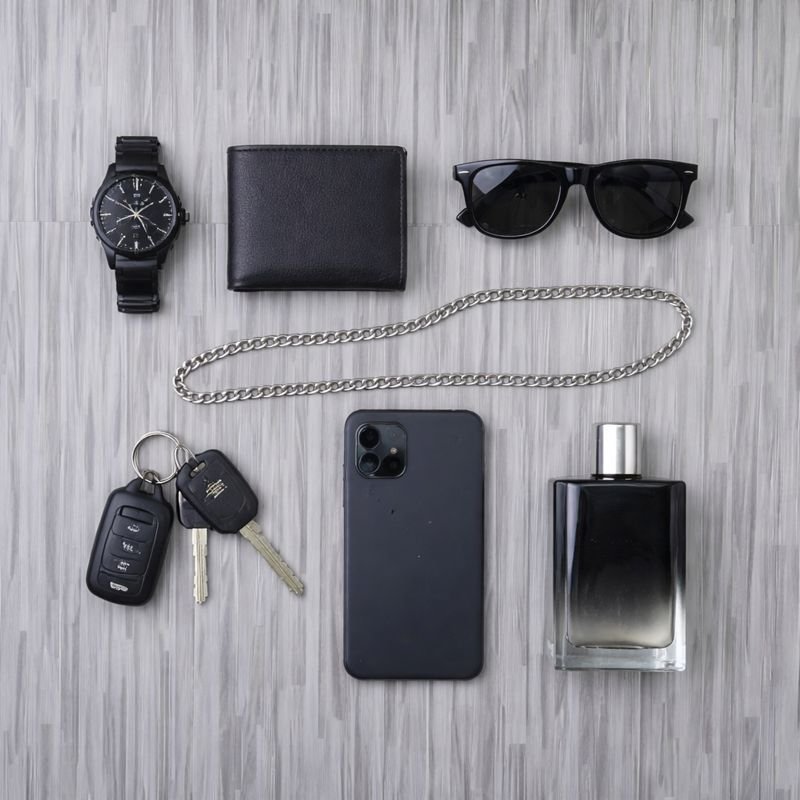
- 1 versatile watch (leather strap or metal bracelet)
- 1 pair sunglasses (classic style)
- 1 quality bag (leather messenger, backpack, or duffel)
- 1 wallet
- Simple jewelry if you wear it (wedding ring, minimal necklace or bracelet)
Complete Minimalist Wardrobe Summary
Total pieces: 33-40 items
- 12-14 tops
- 6-7 bottoms
- 3-4 outerwear pieces
- 4-5 pairs shoes
- 8-10 accessories and essentials
This curated collection creates 100+ distinct outfit combinations while maintaining simplicity.
Building Your Minimalist Wardrobe: Step-by-Step
Step 1: Audit Your Current Wardrobe
Start by understanding what you actually own and wear.
The audit process:
Empty your entire closet and drawers. Place everything in one visible location.
Create three piles:
- Keep: Fits perfectly, worn in last 3 months, genuinely love it
- Maybe: Uncertain about fit or frequency of wear
- Remove: Doesn’t fit, damaged, unworn for 12+ months
Try on everything in the “maybe” pile. Be honest about fit and likelihood of wearing it.
Questions to ask about each item:
- Does this fit me perfectly right now?
- Have I worn this in the past 3 months?
- Does this work with at least 3 other pieces I own?
- Would I buy this again today?
- Does this reflect who I am now (not who I was or want to be)?
If you answer “no” to two or more questions, the item goes in the remove pile.
Step 2: Identify Gaps in Your Essentials
Compare your “keep” pile against the essential minimalist wardrobe list.
Common gaps men discover:
- No versatile white or light blue button-downs
- Missing quality leather shoes beyond sneakers
- No neutral sweaters for layering
- Lacking basic neutral t-shirts
- Missing key outerwear pieces
List 3-5 priority gaps based on your lifestyle needs and season.
Step 3: Invest Strategically
With limited pieces, quality becomes non-negotiable.
Where to invest more:
- Leather shoes (can last 10+ years with care)
- Outerwear (worn frequently, highly visible)
- Jeans and chinos (foundational pieces worn weekly)
- White and blue button-downs (maximum versatility)
Where to spend less:
- Basic t-shirts (replaced more frequently)
- Underwear and socks (functional items)
- Trendy pieces you’re experimenting with
Quality indicators to look for:
- Natural fibers (cotton, wool, linen)
- Reinforced stitching at stress points
- Functional, sturdy hardware (buttons, zippers)
- Proper weight and hand-feel of fabric
- Reputable brand or positive reviews
Step 4: Shop With Strict Criteria
Every purchase must meet multiple requirements to enter your minimalist wardrobe.
The buying checklist:
- Does this fill a genuine gap?
- Will I wear this at least 30 times per year?
- Does this work with 5+ items I already own?
- Is this appropriate for my actual lifestyle?
- Is the quality worth the price?
- Am I buying this for who I am or who I wish I were?
If you can’t answer “yes” to all questions, don’t buy it.
The one-in-one-out rule: When adding new items, remove something similar from your wardrobe. This maintains the minimalist count and prevents gradual accumulation.
Step 5: Refine Over Time
Minimalist wardrobes evolve as you understand what truly works for you.
Quarterly review process:
- Identify pieces you haven’t worn
- Assess why they’re not getting wear (fit, color, style, lifestyle mismatch)
- Remove or replace these pieces
- Note what you wish you had more of
- Adjust future purchases accordingly
This continuous refinement ensures your wardrobe serves you optimally.
Color Strategy for Minimalist Wardrobes
The Neutral Foundation
Building a minimalist wardrobe for men requires strategic color selection for maximum versatility.
Neutral colors form 80-90% of your wardrobe because they mix effortlessly.
Core neutral colors:
- Navy blue (most versatile color in men’s fashion)
- Gray (light, medium, and charcoal shades)
- White and off-white
- Black
- Tan and khaki
- Brown (shoes and leather goods)
- Olive green
These colors create cohesive outfits without thought or planning.
Adding Color Strategically
The remaining 10-20% introduces personality without complicating coordination.
Effective accent colors:
- Burgundy or wine (sophisticated, works with most neutrals)
- Forest green (masculine, pairs with earth tones)
- Rust or burnt orange (warm, fall-appropriate)
- Light blue (versatile, professional)
Color placement strategy:
- Keep pants neutral always (navy, gray, khaki, black)
- Introduce color through shirts and knitwear
- Use accessories for seasonal color variations
- Limit each outfit to 2-3 colors maximum
The Monochromatic Approach
Wearing different shades of the same color creates sophisticated, streamlined looks.
Effective monochromatic combinations:
- Light gray t-shirt + charcoal pants + medium gray jacket
- Light blue shirt + navy chinos + dark navy sweater
- Tan chinos + cream sweater + brown leather jacket
This technique is inherently minimalist and eliminates color-matching concerns entirely.
Styling Your Minimalist Wardrobe
10 Essential Outfit Formulas
These combinations work repeatedly without appearing repetitive.
Formula 1: The Everyday Classic
- White t-shirt
- Dark jeans
- White sneakers
- Optional: gray hoodie or navy jacket
Formula 2: The Elevated Casual
- Light blue button-down
- Navy chinos
- Brown Chelsea boots
- Optional: charcoal sweater
Formula 3: The Weekend Polished
- Gray crew neck t-shirt
- Khaki chinos
- White sneakers
- Denim or bomber jacket
Formula 4: The Smart Casual Standard
- White button-down
- Dark jeans
- Brown leather loafers
- Navy blazer
Formula 5: The Business Casual Core
- Light blue dress shirt
- Gray dress pants or chinos
- Brown Oxford shoes
- Optional: navy sweater
Formula 6: The Monochrome Minimalist
- Navy henley or t-shirt
- Navy chinos (different shade)
- White sneakers
- Navy jacket (yet another shade)
Formula 7: The Layered Sophisticate
- White t-shirt (base layer)
- Light blue button-down (unbuttoned over t-shirt)
- Dark jeans
- Brown boots
Formula 8: The Casual Friday
- Chambray shirt
- Khaki chinos
- White sneakers or loafers
- Optional: casual blazer
Formula 9: The Date Night Look
- White or black t-shirt
- Dark jeans
- Chelsea boots
- Leather jacket or blazer
Formula 10: The Refined Comfort
- Gray crew neck sweater
- Navy chinos
- White sneakers
- Casual jacket
The Layering System
Layering extends your minimalist wardrobe across seasons without adding pieces.
Three-layer system:
Base layer: T-shirts or light button-downs provide foundation and can be worn alone in warm weather.
Mid layer: Sweaters, hoodies, or unbuttoned casual shirts add warmth and visual interest.
Outer layer: Jackets and coats provide weather protection and complete the outfit.
Example progression:
- Summer: Light blue button-down alone
- Fall: Light blue button-down + gray sweater
- Winter: Light blue button-down + gray sweater + navy overcoat
This maximizes utility of each piece without expanding your wardrobe.
Seasonal Adjustments
Minimalist wardrobes adapt to seasons through strategic rotation, not wholesale replacement.
Spring/Summer focus:
- Lighter colors predominate
- Short-sleeve button-downs and t-shirts featured
- Chino shorts if appropriate for climate
- Lighter-weight fabrics
Fall/Winter focus:
- Darker, richer colors take precedence
- Layering pieces move to front of closet
- Heavier fabrics like wool and flannel
- Boots replace sneakers more frequently
Store off-season items to reduce visual clutter and decision complexity.
Maintaining Your Minimalist Wardrobe
Care and Maintenance Rules
With fewer pieces, proper care becomes essential since each item works harder.
Daily care habits:
- Hang button-downs and dress pants immediately after wearing
- Fold knits (sweaters, t-shirts) to prevent stretching
- Allow shoes to rest 24 hours between wears
- Spot-clean small stains immediately
- Air out clothes before storing
Weekly care:
- Brush suede and leather shoes
- Check for loose buttons or minor repairs needed
- Organize closet to keep everything visible
Monthly care:
- Polish leather shoes
- Inspect clothing for wear or damage
- Rotate seasonal items as weather changes
Quarterly care:
- Deep clean leather goods
- Evaluate wardrobe condition
- Address any needed repairs or replacements
Repair vs. Replace Decisions
Minimalism means maintaining what you own rather than constantly replacing.
When to repair:
- Minor issues: loose buttons, small holes, fallen hems
- Quality pieces with significant remaining life
- Repairs costing less than 30% of replacement cost
- Items you genuinely love and wear frequently
When to replace:
- Fabric deterioration beyond repair (thinning, permanent stains)
- Structural damage (separated seams on shoes, broken zippers throughout)
- Style no longer serves you
- Poor fit that can’t be tailored
Learn basic repairs—sewing buttons and mending small holes saves money and extends garment life.
Shopping Discipline
Maintaining minimalism requires resisting accumulation pressure.
Shopping rules for minimalists:
- No impulse purchases—wait 30 days before buying
- One in, one out policy strictly enforced
- Buy only to replace worn items or fill genuine gaps
- Unsubscribe from marketing emails that tempt purchases
- Avoid browsing stores or websites for entertainment
Resisting common pitfalls:
- Sales are only worthwhile for planned purchases
- Trends pass—classics remain
- “Deals” cost money even at discounts
- You don’t need backups of everything
The goal is conscious curation, not deprivation.
Lifestyle-Specific Minimalist Wardrobes
The Professional Minimalist
Office environments require specific adjustments to the core minimalist wardrobe.
Additions needed:
- 2-3 dress shirts (white, light blue, subtle patterns)
- 2-3 pairs dress pants (navy, gray, charcoal)
- 1-2 blazers (navy and gray)
- Quality leather dress shoes (brown and black Oxfords)
- Professional bag (leather briefcase or messenger)
- 5-8 ties (optional depending on workplace)
Keep casual items minimal:
- 2-3 casual outfits for weekends
- One pair jeans
- Casual shoes and sneakers
Total wardrobe: 35-40 pieces with professional focus
The Casual Lifestyle Minimalist
Remote workers, creatives, and casual dressers simplify further.
Wardrobe focus:
- More t-shirts and casual shirts (6-8 total)
- Primarily jeans and chinos (4-5 pairs)
- Minimal dress clothing (1 outfit for rare formal occasions)
- Comfortable, versatile footwear (sneakers, boots)
- Casual jackets and outerwear
Reduce formal items:
- One blazer maximum
- One pair dress shoes
- Minimal dress shirts
Total wardrobe: 30-35 pieces with casual emphasis
The Active Minimalist
Athletic lifestyles require dedicated workout gear separate from the minimalist wardrobe.
Strategy:
- Keep athletic wear completely separate
- 5-7 workout outfits that don’t cross into daily wear
- Maintain core minimalist wardrobe for non-athletic life
- One pair dedicated athletic shoes
Don’t let athletic wear inflate your minimalist count—it serves distinct purpose.
Common Minimalist Wardrobe Mistakes
Mistake 1: Going Too Small Too Quickly
Reducing to 15-20 pieces creates stress and wardrobe gaps.
The fix: Start with 35-40 pieces. This provides sufficient variety while maintaining minimalist benefits. Reduce gradually if desired, but functionality matters more than arbitrary low numbers.
Mistake 2: Ignoring Personal Style
Following minimalist “rules” rigidly creates a wardrobe that doesn’t reflect who you are.
The fix: Minimalism is framework, not uniform. If you love patterns, include them thoughtfully. If your lifestyle is formal, embrace it. Build the minimalist wardrobe that serves your actual life, not an idealized version.
Mistake 3: Sacrificing Quality for Minimalism
Buying cheap items to “try out” minimalism defeats the purpose.
The fix: Build gradually with quality pieces. Better to have 25 great items than 40 mediocre ones. Save money by not buying unnecessary items, then invest those savings in quality essentials.
Mistake 4: Not Accounting for Weather
Living in varied climates with identical summer and winter wardrobes creates problems.
The fix: Seasonal rotation is acceptable and practical. Store off-season items rather than forcing year-round access. Your 35-piece wardrobe can have 5-10 seasonal variations swapped twice yearly.
Mistake 5: Forgetting Lifestyle Changes
Wardrobes built for one life stage fail when circumstances change.
The fix: Reevaluate quarterly. New job, relocation, lifestyle changes all warrant wardrobe adjustments. Minimalism is flexible—adapt your collection as your life evolves.
Frequently Asked Questions
How many clothes does a minimalist wardrobe really need?
Most men function excellently with 30-40 pieces including shoes and outerwear. This provides sufficient variety for all occasions while maintaining simplicity. Some minimize to 20-25 pieces, others maintain 50. The right number is whatever works for your lifestyle without excess. Start with 35-40 and adjust based on experience.
Can I have a minimalist wardrobe on a budget?
Absolutely. Start by keeping quality items you already own. Build gradually—buy one great piece per month rather than everything immediately. Shop end-of-season sales for essentials. Budget retailers like Uniqlo offer quality basics affordably. Minimalism actually saves money by eliminating impulse purchases and low-quality items.
What if I get bored wearing the same things?
Minimalist wardrobes create 100+ outfit combinations from 35 pieces, providing more variety than you might expect. Accessories, different styling, and layering variations add interest. If you’re genuinely bored after trying this, minimalism might not suit you—and that’s okay. Most men discover they appreciate the simplicity.
How do I handle special occasions with a minimalist wardrobe?
Keep one dressy outfit (blazer, dress shirt, dress pants, dress shoes) for formal events. For truly rare occasions like black-tie weddings, rent formal wear rather than buying. Most special occasions fall within smart casual or business casual, which your minimalist wardrobe handles easily.
Should I get rid of sentimental clothing items?
Minimalism doesn’t require discarding meaningful items. If something holds genuine sentimental value and you occasionally wear it, keep it. However, be honest about whether you’re keeping things out of guilt, “just in case,” or actual attachment. Items collecting dust for years aren’t serving you regardless of sentiment.
Conclusion
Building a minimalist wardrobe for men liberates you from closet overwhelm while ensuring you always look intentionally put-together.
Start by auditing your current wardrobe honestly, keeping only items that fit perfectly and genuinely serve your lifestyle. Build toward 30-40 versatile pieces in neutral colors that work together seamlessly.
Invest in quality over quantity—fewer, better pieces outlast and outperform larger collections of mediocre items. Focus on timeless classics rather than trends, ensuring your wardrobe remains relevant for years.
Remember that minimalism is personal. Your minimalist wardrobe should reflect your actual life, not someone else’s ideal. Adjust the formulas and suggestions here to match your climate, profession, and personal style preferences.
The goal isn’t deprivation or arbitrary low numbers—it’s intentionality. Every piece should earn its place through versatility, quality, and frequent use.
Start today by removing one item that doesn’t serve you, then gradually build the streamlined, functional wardrobe that simplifies your life while elevating your style.
Related Articles You Might Like: