
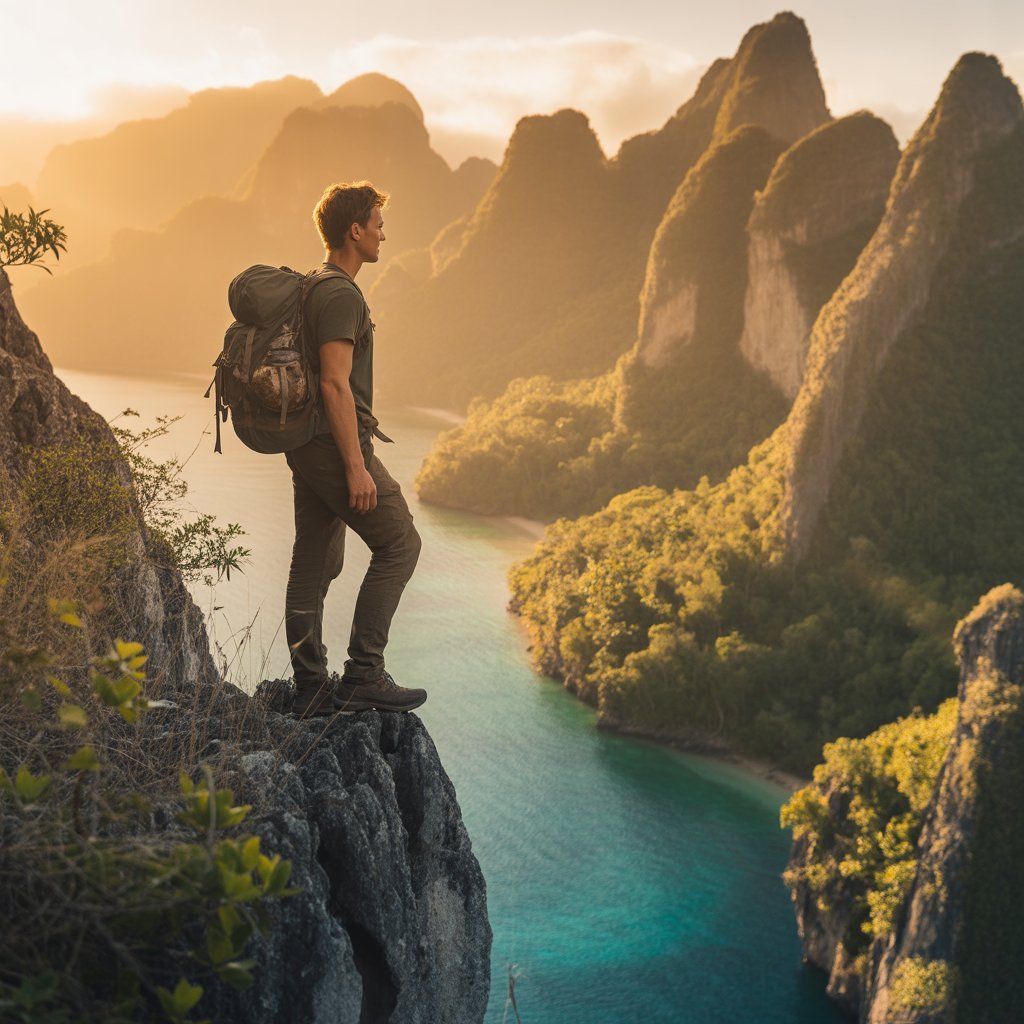
There’s a difference between traveling and just showing up at the same places everyone else does.
I’ve spent years chasing experiences that feel real—places where you’re not dodging selfie sticks or fighting through cruise ship crowds. The kind of spots that remind you why you started traveling in the first place.
These 27 secret travel spots aren’t on every Instagram feed. They’re not overrun with tour buses. And honestly, that’s exactly why they matter. These are destinations for men who want something more than a passport stamp—places that challenge you, humble you, or just let you breathe for a minute.
Some require serious planning. Others are easier to reach than you’d think. But all of them offer something the mainstream travel circuit can’t: authenticity.
1. Socotra Island, Yemen
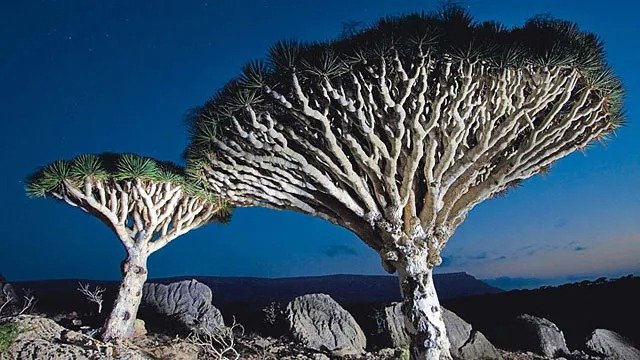
This place looks like another planet.
Socotra sits in the Arabian Sea, isolated enough that a third of its plant life exists nowhere else on Earth. The dragon’s blood trees alone—twisted, umbrella-shaped things that bleed red sap—are worth the journey.
Why it feels unreal: The landscapes are so alien that scientists compare them to what Earth might have looked like millions of years ago.
Best time to visit: October to April, when the monsoon winds calm down.
Why most people don’t know about it: Political instability in Yemen keeps most travelers away, but Socotra itself remains relatively safe and accessible via chartered flights from Abu Dhabi.
Perfect for: Adventure travelers and photographers who want landscapes that don’t exist anywhere else.
2. The Faroe Islands, Denmark
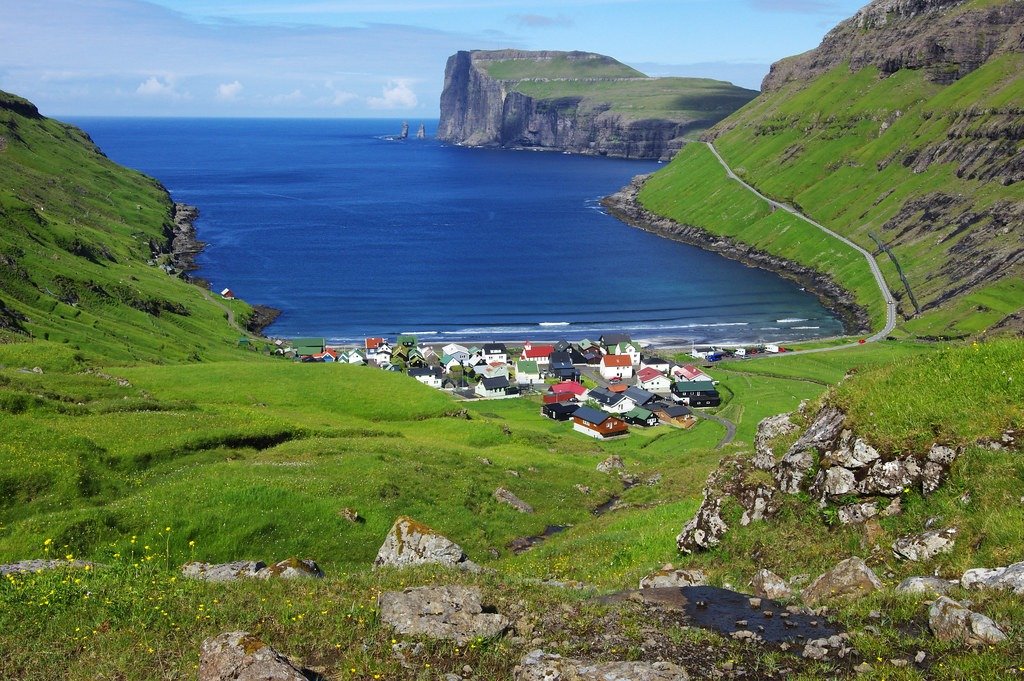
Eighteen volcanic islands rising out of the North Atlantic, halfway between Iceland and Norway.
The Faroe Islands feel like the edge of the world. Sheer cliffs drop into churning seas. Tiny villages cling to mountainsides. Waterfalls spill directly into the ocean. The weather changes every ten minutes.
Why it feels unreal: The raw, untouched beauty. It’s what Scotland or Norway might have been like before tourism found them.
Best time to visit: June to August for hiking and the midnight sun, though storm-watchers prefer winter.
Why most people don’t know about it: Limited flights and higher costs keep the crowds thin.
Perfect for: Solo travelers seeking solitude and photographers chasing dramatic landscapes.
3. Huacachina, Peru
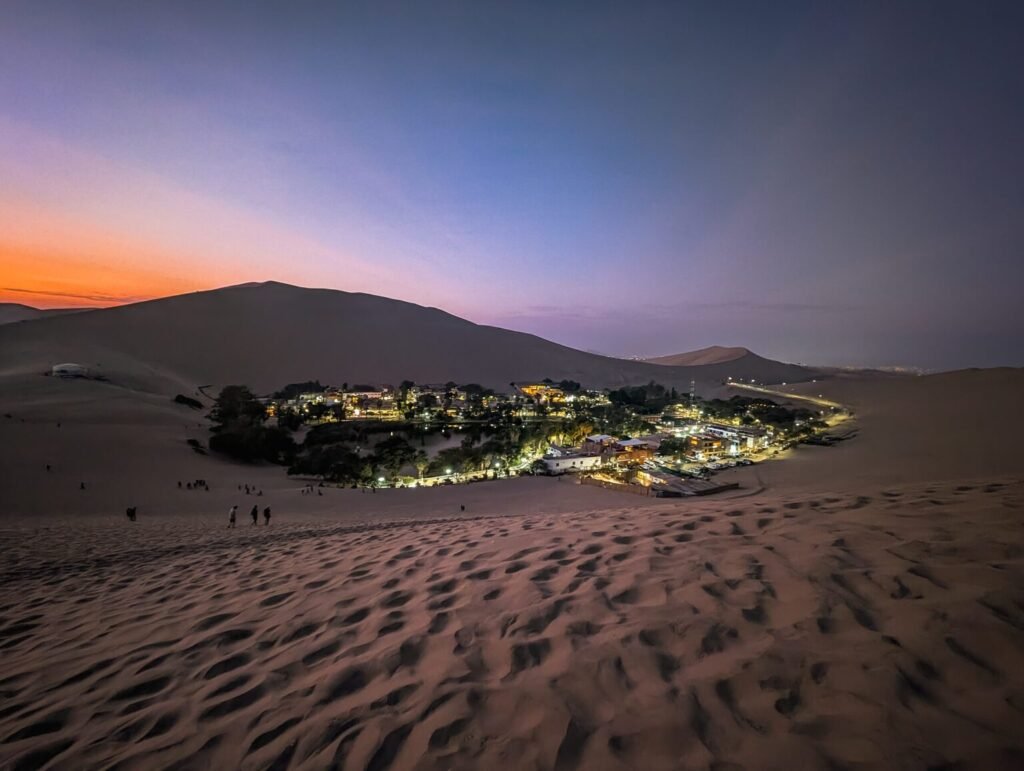
A genuine desert oasis an hour outside Lima.
Palm trees surrounding a natural lagoon, surrounded by massive sand dunes. It sounds made up, but Huacachina is real—and it’s one of the best-kept secrets in South America.
Why it feels unreal: You’re sandboarding down dunes higher than some ski slopes, then having a cold beer at a lakeside bar while the sun sets over the desert.
Best time to visit: May to September for clear skies and ideal sandboarding conditions.
Why most people don’t know about it: Everyone rushes to Machu Picchu and skips the coastal region entirely.
Perfect for: Adrenaline junkies and anyone who wants bucket list travel without the crowds.
4. Lofoten Islands, Norway
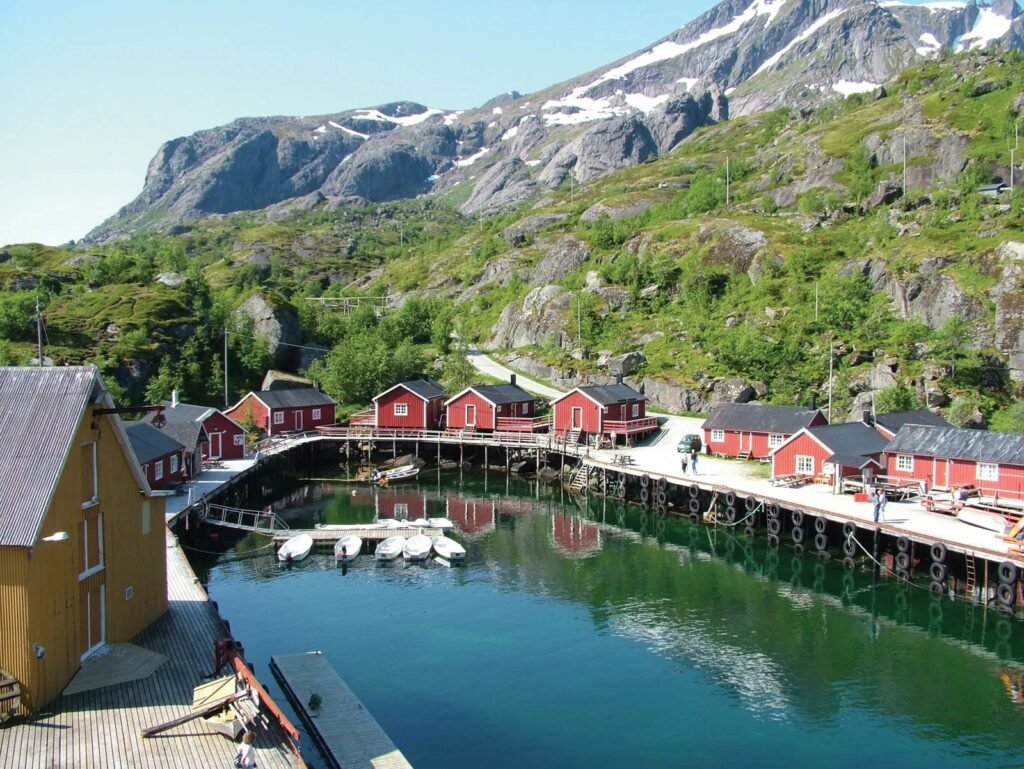
Arctic fishing villages that look hand-painted.
Red cabins (called rorbuer) perched over crystal water, with snow-capped peaks rising straight out of the sea. The light here—especially during winter’s polar nights or summer’s midnight sun—doesn’t look real.
Why it feels unreal: The contrast. Dramatic mountains meet calm fjords. Arctic wilderness meets cozy fishing culture.
Best time to visit: Summer (June-August) for hiking and midnight sun, or winter (January-March) for northern lights and arctic surfing.
Why most people don’t know about it: Norway’s reputation for being expensive scares people off, but the Lofoten Islands offer camping and affordable cabin stays.
Perfect for: Photographers, hikers, and anyone who wants northern Europe without the tourist infrastructure.
5. Meteora, Greece
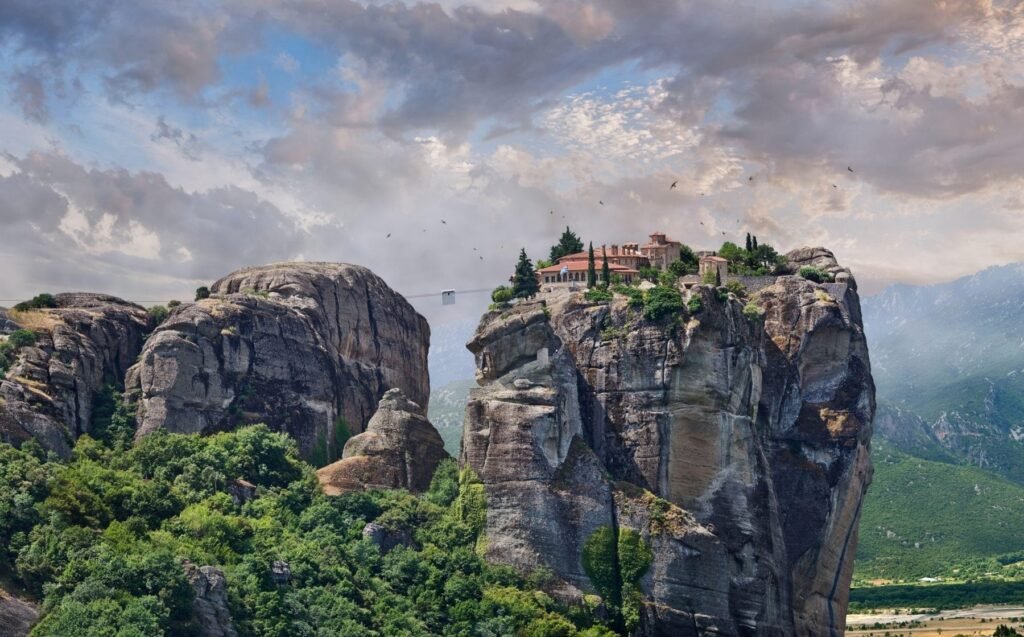
Monasteries built on top of impossible rock towers.
Eastern Orthodox monks built these structures in the 14th century, hauling materials up sheer cliff faces to create sanctuaries in the sky. Six monasteries remain active today, rising above the plains of Thessaly like something from a fantasy novel.
Why it feels unreal: The engineering alone defies logic. The views from the top defy description.
Best time to visit: April to May or September to October for comfortable temperatures and fewer crowds.
Why most people don’t know about it: Everyone flocks to the Greek islands and skips mainland Greece entirely.
Perfect for: History buffs, spiritual seekers, and travelers interested in unique places to visit that combine natural and human achievement.
6. Salar de Uyuni, Bolivia
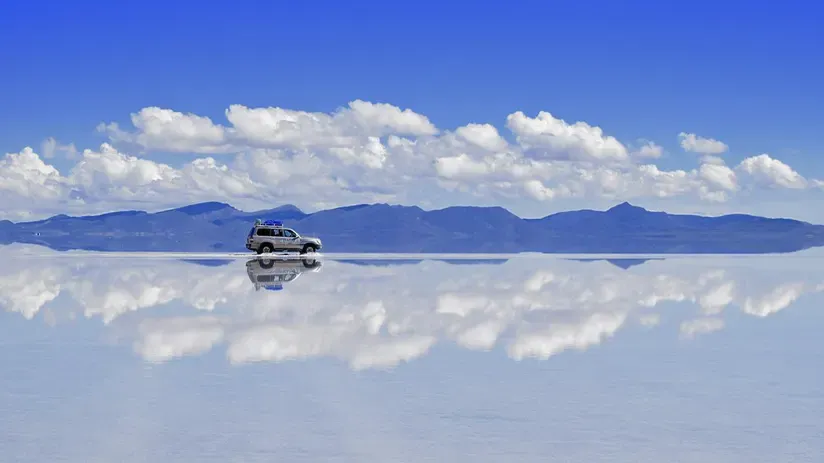
The world’s largest salt flat, stretching over 4,000 square miles.
When it rains, a thin layer of water turns the entire surface into a perfect mirror reflecting the sky. It’s one of those dream travel spots that feels computer-generated until you’re standing in the middle of it.
Why it feels unreal: You lose all sense of perspective. Sky and earth become one. It’s disorienting and beautiful.
Best time to visit: January to March for the mirror effect, or April to November for the geometric salt patterns and easier travel.
Why most people don’t know about it: Getting there requires commitment—multi-day jeep tours from high-altitude towns.
Perfect for: Photographers and travelers who appreciate natural phenomena at its most surreal.
7. Chefchaouen, Morocco
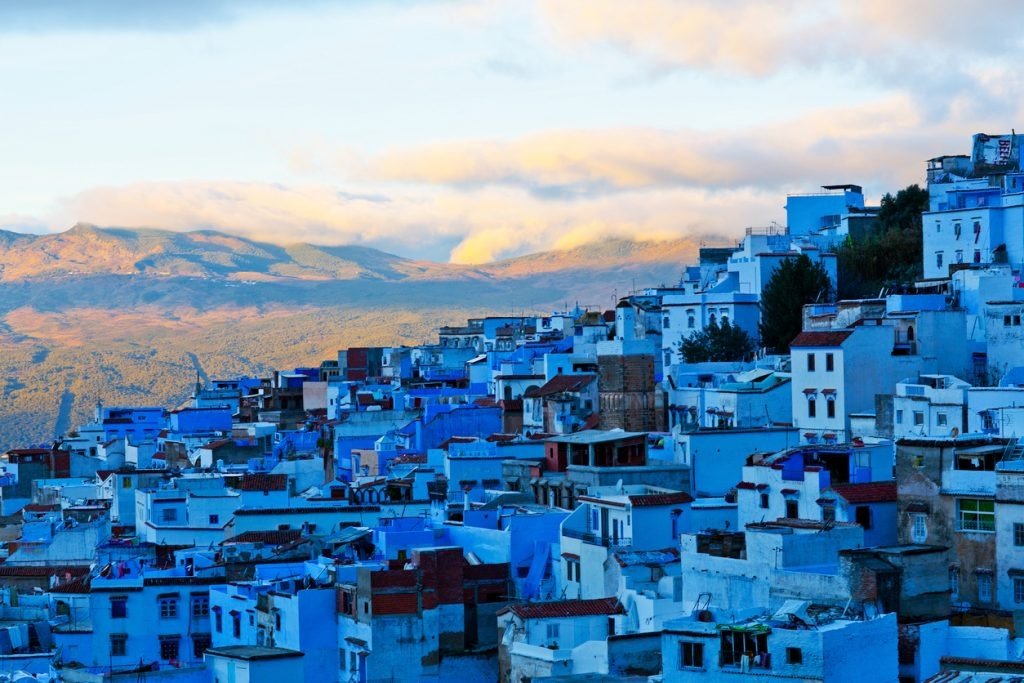
The Blue Pearl of Morocco.
An entire city painted in shades of blue, tucked into the Rif Mountains. Every wall, every doorway, every alley glows in variations of blue and turquoise. The reason depends on who you ask—some say it repels mosquitoes, others claim it’s spiritual symbolism.
Why it feels unreal: Walking through these blue-washed streets feels like stepping into a painting.
Best time to visit: March to May or September to November for pleasant weather.
Why most people don’t know about it: Marrakech and Fes steal all the attention.
Perfect for: Solo travelers looking for a peaceful base and photography enthusiasts.
8. Bagan, Myanmar
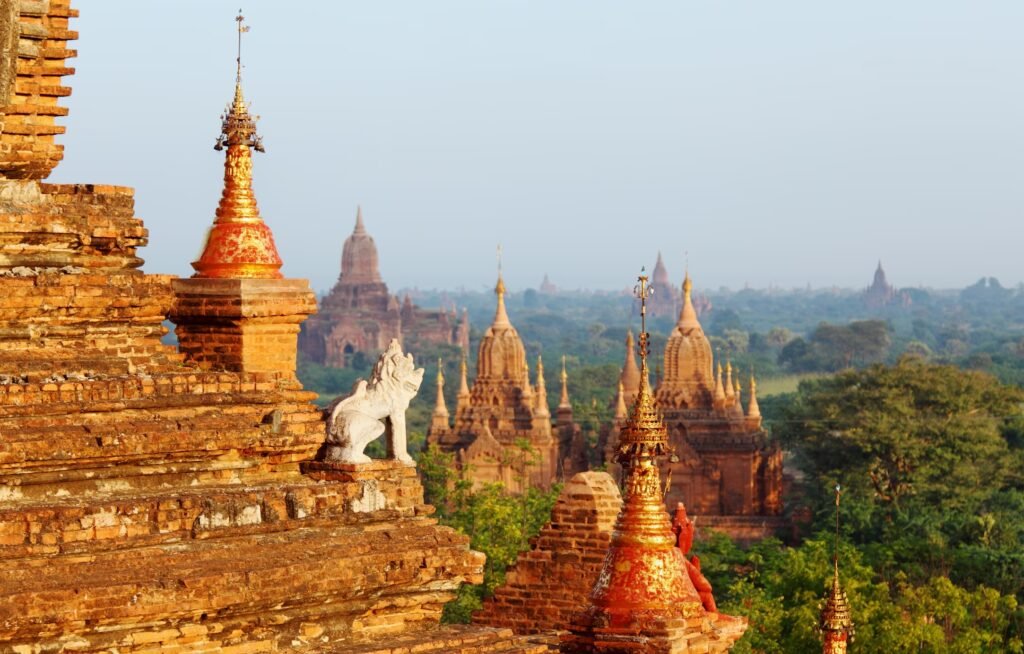
Over 2,000 Buddhist temples and pagodas scattered across an ancient plain.
Sunrise here means hot air balloons drifting over temple spires while mist rises from the Irrawaddy River. It rivals Angkor Wat but with a fraction of the visitors.
Why it feels unreal: The scale. Temples everywhere you look, built between the 11th and 13th centuries.
Best time to visit: November to February for cooler, dry weather.
Why most people don’t know about it: Myanmar’s recent political situation keeps it off most people’s radar.
Perfect for: History lovers and anyone seeking travel inspiration from ancient civilizations.
9. Svalbard, Norway
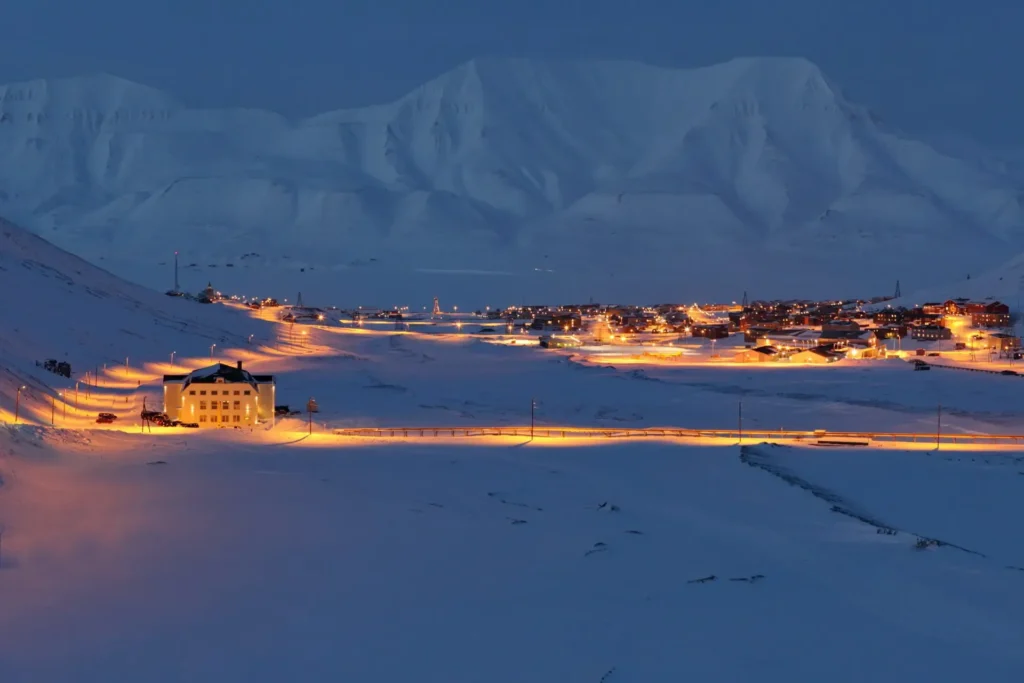
The closest you can get to the North Pole without a research expedition.
This Norwegian archipelago sits 800 miles from the North Pole. Polar bears outnumber people. The landscape is pure Arctic wilderness—glaciers, fjords, and frozen tundra.
Why it feels unreal: You need to carry a rifle outside of town because of polar bears. The sun doesn’t set for months in summer, doesn’t rise for months in winter.
Best time to visit: March to May for dog sledding and northern lights, or June to August for midnight sun and ice-free sailing.
Why most people don’t know about it: It’s remote, expensive, and requires serious planning.
Perfect for: Adventure travelers who want extreme environments and wildlife encounters.
10. Lake Bled, Slovenia
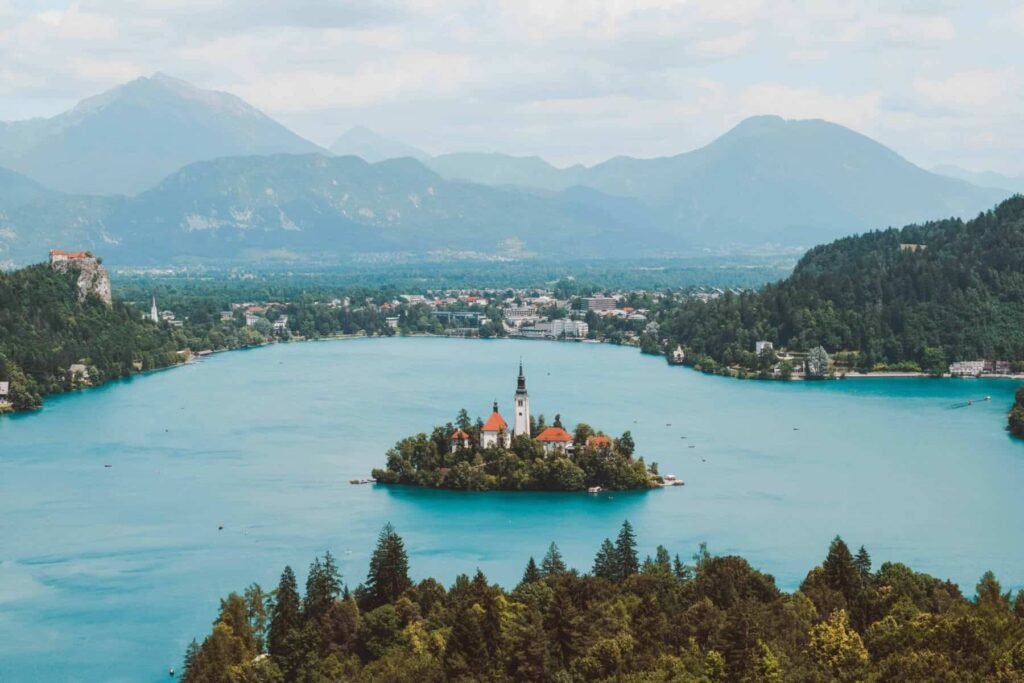
A glacial lake with an island church and a clifftop castle.
The Julian Alps provide the backdrop. The water is impossibly green-blue. A tiny island sits in the middle with a church that looks straight out of a fairytale. The whole scene feels carefully arranged, but it’s been there for centuries.
Why it feels unreal: The composition is too perfect—mountains, lake, island, castle, all in one view.
Best time to visit: June to September for swimming and hiking, or December for Christmas markets.
Why most people don’t know about it: Slovenia flies under the radar between Italy and Croatia.
Perfect for: Travelers who want European beauty without Western European crowds and prices.
11. Raja Ampat, Indonesia
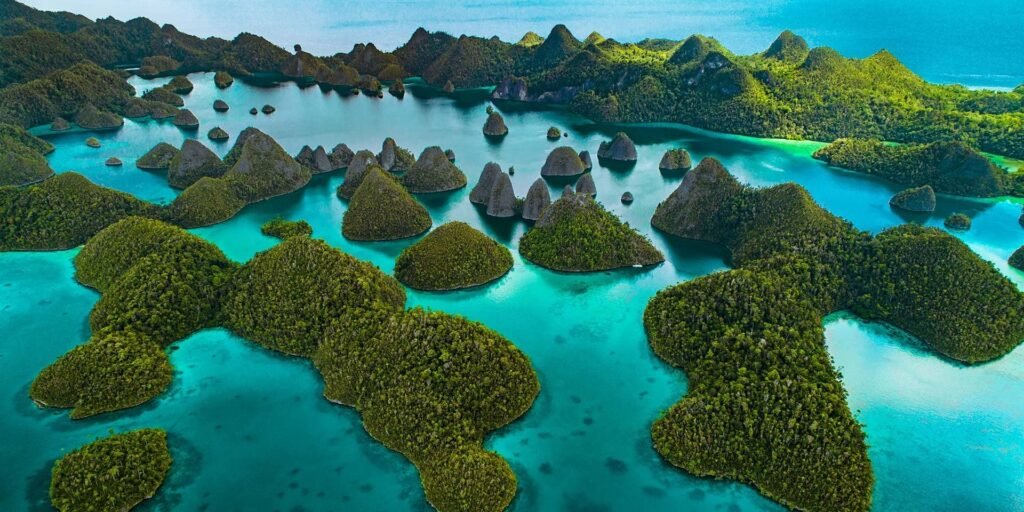
The most biodiverse marine environment on Earth.
Over 1,500 islands scattered across turquoise water, with limestone karsts jutting out of the sea. Below the surface, coral reefs teem with life that marine biologists are still cataloging.
Why it feels unreal: The density of color and life, both above and below water.
Best time to visit: October to April for the best diving and weather conditions.
Why most people don’t know about it: It’s in the middle of nowhere—the far eastern edge of Indonesia—and requires multiple flights plus boat transfers.
Perfect for: Divers and travelers who prioritize nature over nightlife.
12. Patagonia (Chilean Side), Chile
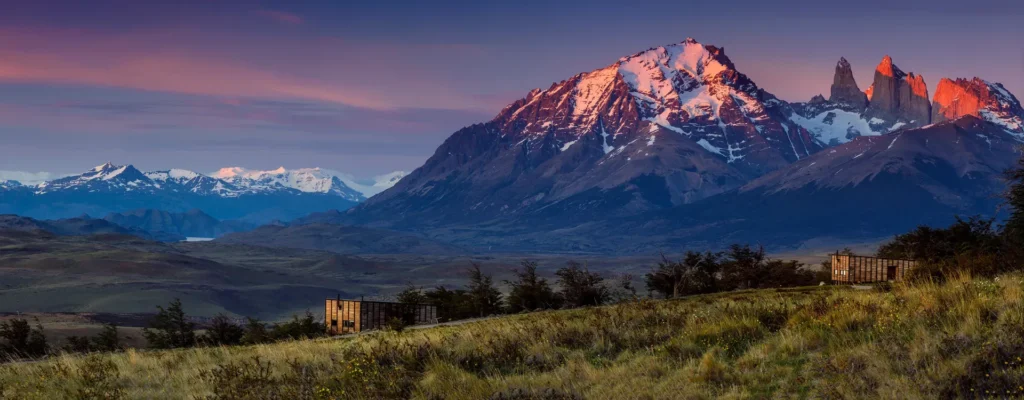
The end of the world, literally.
Torres del Paine National Park offers some of the most dramatic landscapes on the planet. Granite peaks pierce the sky. Glaciers calve into turquoise lakes. Guanacos wander across windswept plains.
Why it feels unreal: The feeling of pure remoteness. You’re closer to Antarctica than most major cities.
Best time to visit: November to March (summer in the Southern Hemisphere) for hiking.
Why most people don’t know about it: The Argentine side gets more press, and getting to Chilean Patagonia requires serious travel time.
Perfect for: Trekkers and anyone who wants to test themselves against real wilderness.
13. Cappadocia, Turkey
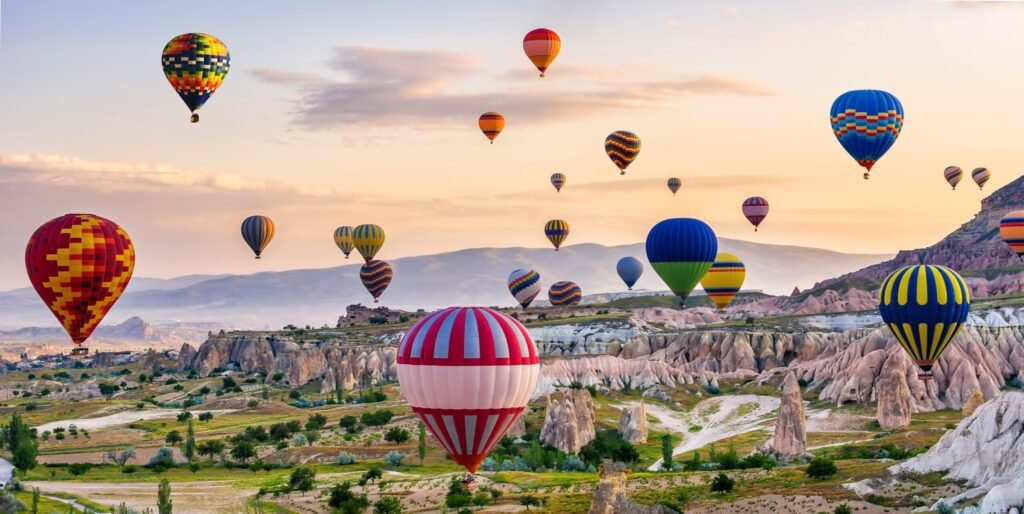
Fairy chimneys, underground cities, and hundreds of hot air balloons at sunrise.
Volcanic eruptions created this landscape millions of years ago. Humans carved homes, churches, and entire cities into the soft rock. Today, it’s one of the most photographed places that somehow remains underrated.
Why it feels unreal: The rock formations look sculpted by giants, and watching dawn from a hot air balloon is genuinely transcendent.
Best time to visit: April to May or September to October for ideal weather.
Why most people don’t know about it: Turkey doesn’t top most American travel lists, despite offering incredible value.
Perfect for: Budget travelers and photography enthusiasts who want iconic shots without breaking the bank.
14. Zhangjiajie National Forest Park, China
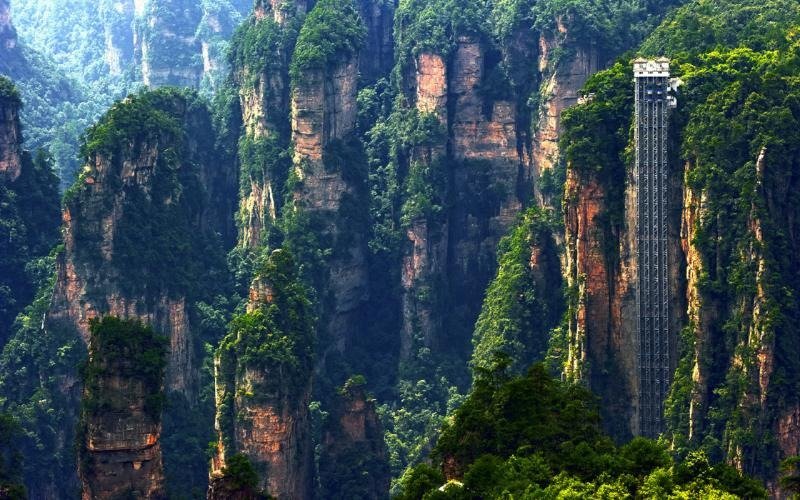
The real-life inspiration for the floating mountains in Avatar.
Thousands of sandstone pillars rise through mist and forest. The tallest pillar stretches over 3,500 feet high. Walk across the world’s longest glass bridge if you want your heart to stop for a minute.
Why it feels unreal: These formations shouldn’t exist. They’re too tall, too thin, too impossible.
Best time to visit: April to May or September to November to avoid summer heat and winter cold.
Why most people don’t know about it: It’s in central China’s Hunan Province, far from the typical Beijing-Shanghai-Xi’an circuit.
Perfect for: Adventure seekers who want landscapes that challenge their sense of what’s possible.
15. The Azores, Portugal
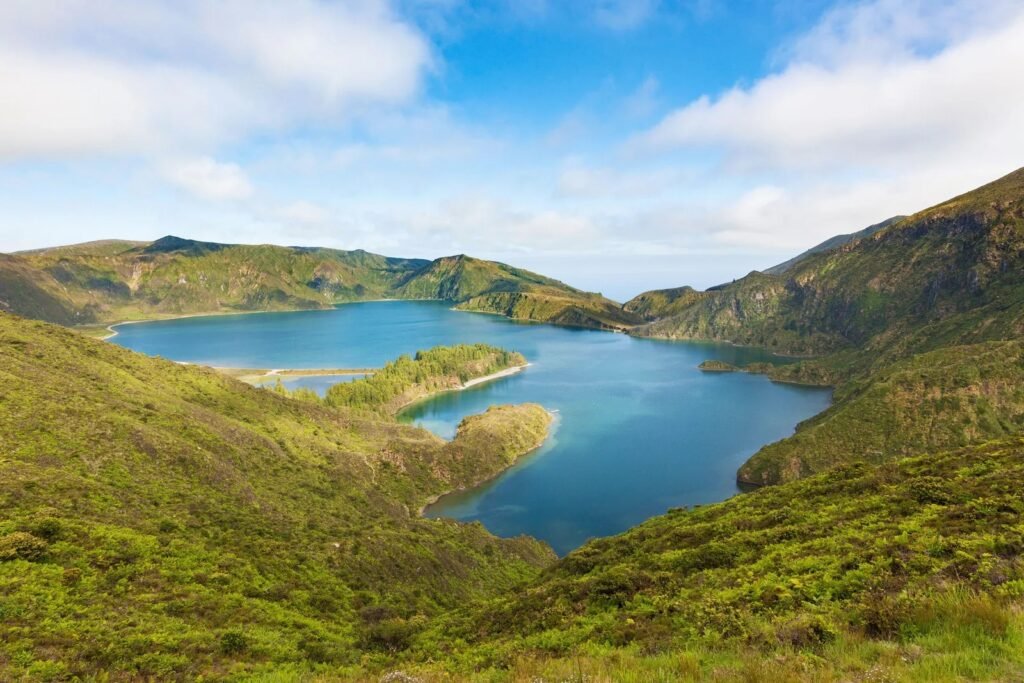
Nine volcanic islands in the middle of the Atlantic.
Hot springs, crater lakes, whale watching, and dramatic coastlines. The Azores offer everything the Mediterranean does, minus the crowds and inflated prices.
Why it feels unreal: You can swim with wild dolphins in the morning and soak in volcanic hot springs by afternoon.
Best time to visit: May to September for warm weather, though whale watching is best in spring.
Why most people don’t know about it: They’re out in the Atlantic, not connected to mainland Europe in most travelers’ minds.
Perfect for: Travelers seeking hidden travel destinations that offer adventure without the premium European price tag.
16. Wadi Rum, Jordan
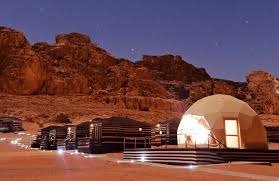
Mars on Earth.
Lawrence of Arabia filmed here. So did The Martian. The red sand, massive rock formations, and complete silence create an otherworldly atmosphere that’s captivated travelers for centuries.
Why it feels unreal: Sleeping in a Bedouin camp under more stars than you’ve ever seen, surrounded by rock formations that dwarf everything around them.
Best time to visit: March to May or September to November for manageable temperatures.
Why most people don’t know about it: Jordan gets overlooked despite being safer and more accessible than most people assume.
Perfect for: Solo travelers seeking reflection and photographers who want epic landscapes.
17. Tbilisi, Georgia
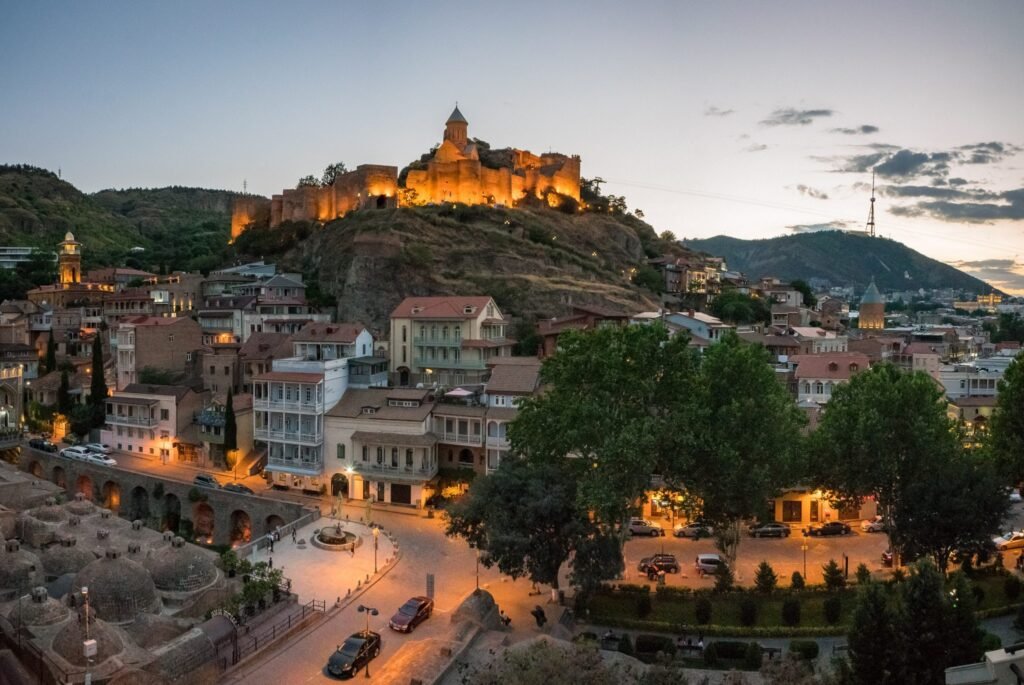
An ancient city where Europe meets Asia.
Old Town balconies lean over narrow streets. Sulfur baths steam beneath the earth. Wine culture predates most civilizations. And yet, Tbilisi remains one of Europe’s best-kept secrets.
Why it feels unreal: The blend of cultures. Soviet architecture next to Persian bathhouses next to ultra-modern glass bridges.
Best time to visit: May to October for warm weather and outdoor cafe culture.
Why most people don’t know about it: Georgia (the country) still confuses people, and it’s not on the standard European backpacker route.
Perfect for: Culture seekers and food lovers who want unique places to visit without tourist prices.
18. The Skeleton Coast, Namibia
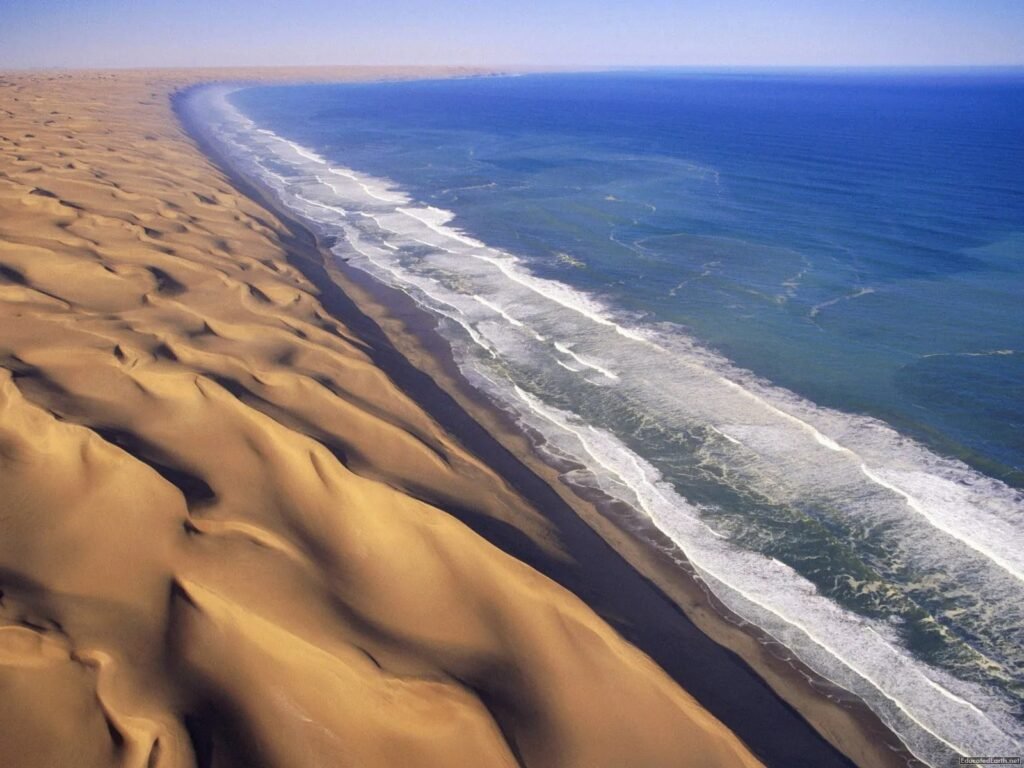
Where the desert meets the ocean.
Shipwrecks rust in the sand. Seal colonies roar along the shore. Elephants somehow survive in one of Earth’s harshest environments. The Skeleton Coast earned its name from sailors, but it’s hauntingly beautiful.
Why it feels unreal: The collision of ecosystems. Desert. Ocean. Wildlife. Ruins. All in one desolate stretch.
Best time to visit: May to October (dry season) for easier travel and wildlife viewing.
Why most people don’t know about it: Namibia doesn’t top most Africa lists, and the Skeleton Coast requires 4×4 vehicles and permits.
Perfect for: Adventure travelers who want African landscapes beyond safaris.
19. Plitvice Lakes, Croatia
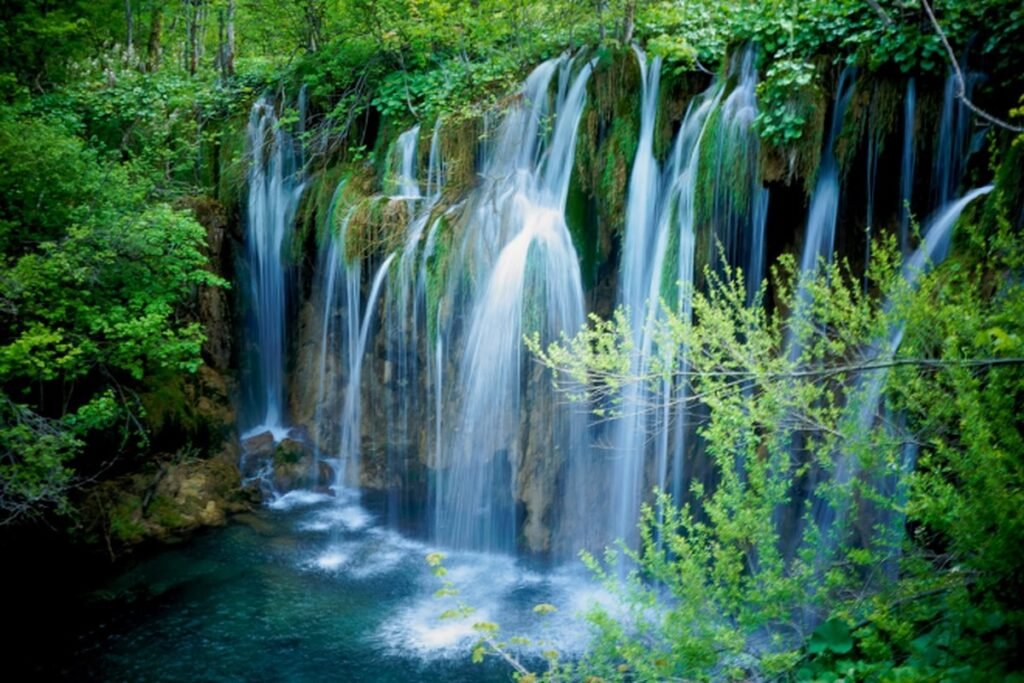
Sixteen terraced lakes connected by waterfalls.
The water shifts from emerald to turquoise to azure depending on the minerals and light. Wooden walkways let you walk right over the cascading water. It’s a UNESCO site that somehow avoids Dubrovnik-level crowds.
Why it feels unreal: The color of the water defies photography. You have to see it to believe it.
Best time to visit: May to June or September for good weather without summer crowds.
Why most people don’t know about it: Croatia means “coast” to most travelers—they skip the interior entirely.
Perfect for: Nature lovers who want easy access to stunning scenery.
20. El Nido, Philippines
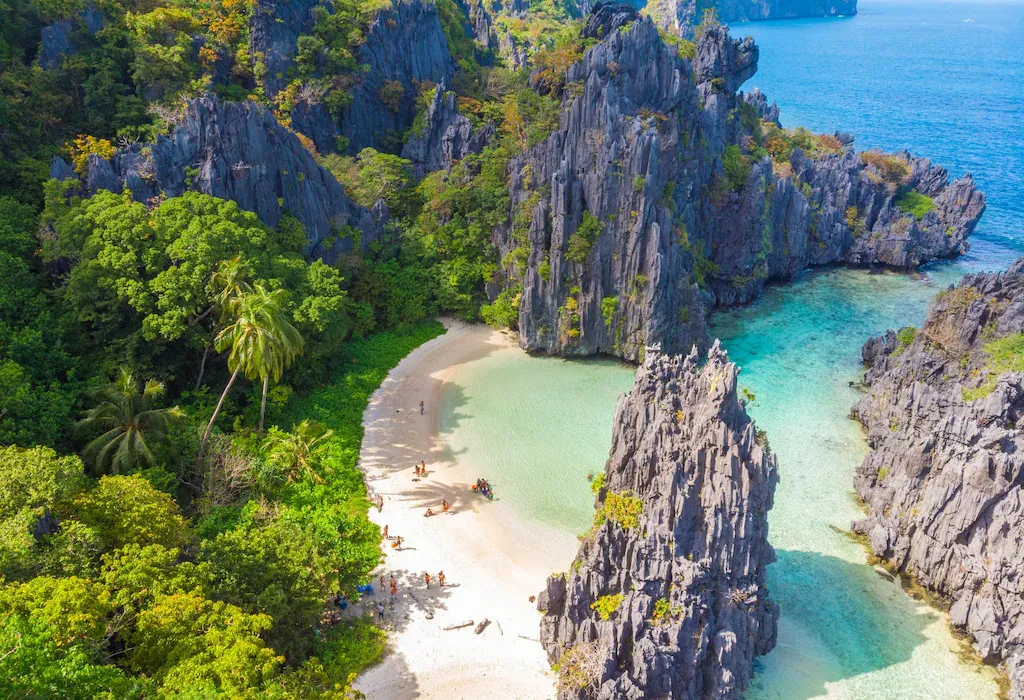
Limestone cliffs, hidden lagoons, and water so clear it’s disorienting.
This collection of islands in northern Palawan offers some of the best island-hopping in Southeast Asia. Secret lagoons accessible only by kayak. Beaches with no footprints. Diving that rivals anywhere in the world.
Why it feels unreal: Every island looks hand-crafted. Every lagoon feels like your own discovery.
Best time to visit: November to May (dry season).
Why most people don’t know about it: The Philippines has 7,000 islands—most people stick to Boracay or Cebu.
Perfect for: Beach lovers and divers who want tropical paradise without Thailand’s tourist infrastructure.
21. Rila Monastery, Bulgaria
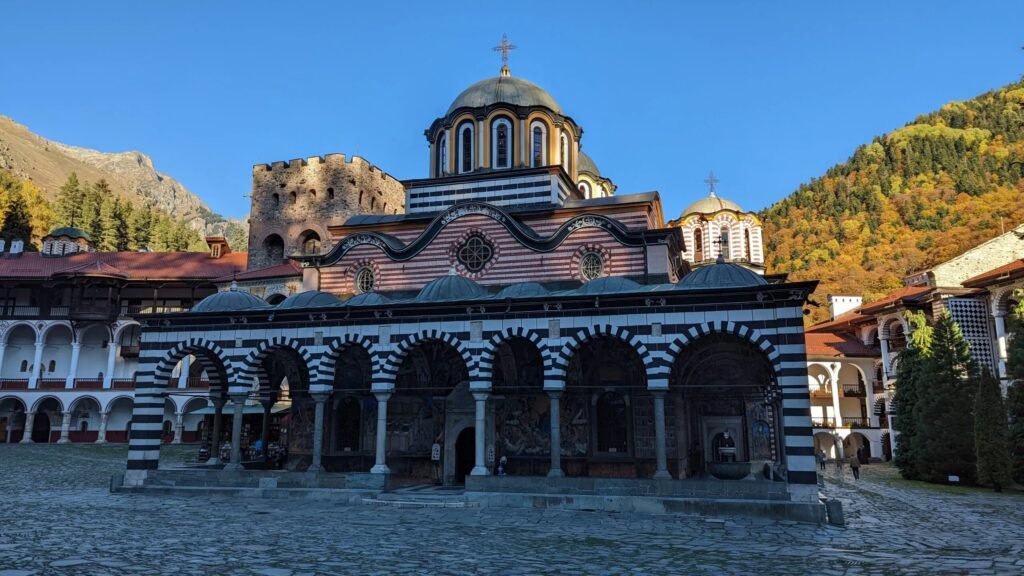
An Orthodox monastery hidden in the Rila Mountains.
Founded in the 10th century, this UNESCO site features vibrant frescoes, ornate architecture, and a mountain setting that forces you to slow down. It’s Bulgaria’s most important cultural monument, visited primarily by locals.
Why it feels unreal: The contrast between the colorful, intricate monastery and the raw mountain wilderness surrounding it.
Best time to visit: May to September for clear mountain weather.
Why most people don’t know about it: Bulgaria remains Europe’s most underrated country for tourism.
Perfect for: History enthusiasts and travelers seeking spiritual sites without the crowds of Western Europe.
22. Luang Prabang, Laos
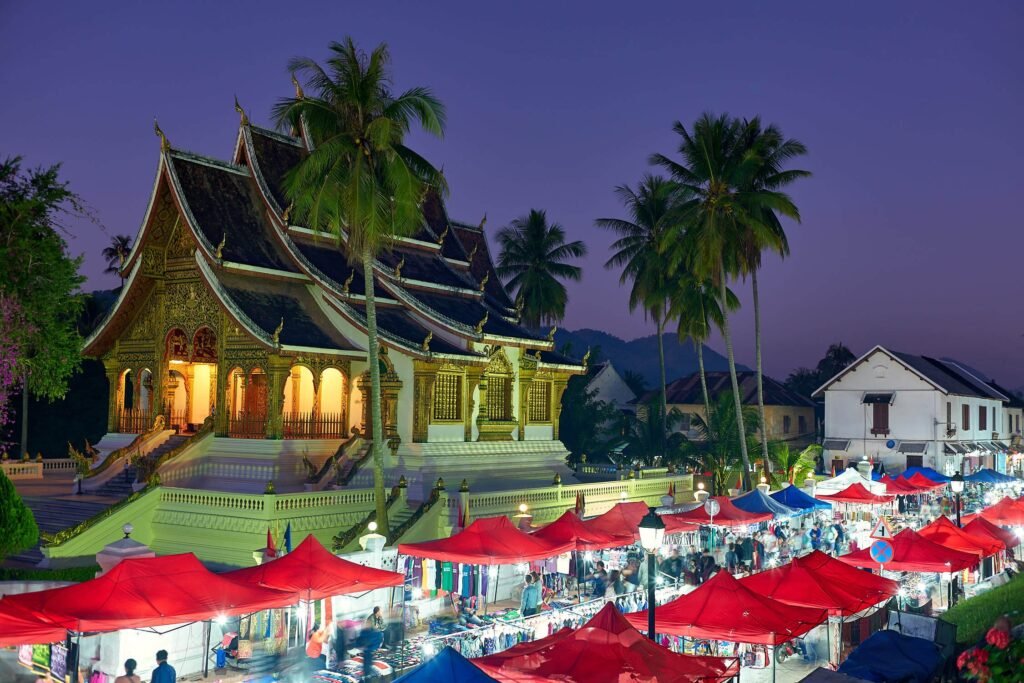
A riverside town where time moves differently.
Buddhist monks collect alms at dawn. French colonial architecture lines quiet streets. The Mekong River flows past temple-topped hills. Luang Prabang mastered the balance between preservation and accessibility.
Why it feels unreal: The pace. Everything slows down here without feeling staged for tourists.
Best time to visit: November to February for cool, dry weather.
Why most people don’t know about it: Laos sits between Thailand and Vietnam, often skipped by travelers rushing between the two.
Perfect for: Travelers seeking authenticity and cultural immersion without sacrificing comfort.
23. The Dolomites, Italy
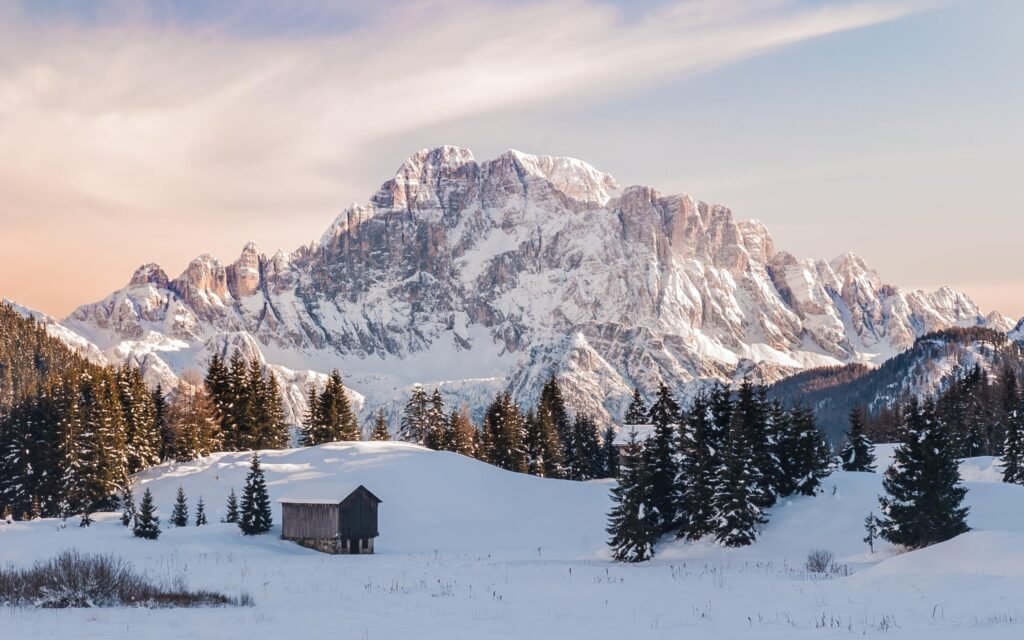
Jagged peaks that glow pink at sunrise and sunset.
These Italian Alps offer some of Europe’s best hiking, climbing, and via ferrata routes. The “Enrosadira” phenomenon—when the mountains turn shades of pink and orange—happens twice daily and feels like watching mountains breathe.
Why it feels unreal: The geology. These peaks rise abruptly from green valleys in ways that don’t match the surrounding Alps.
Best time to visit: June to September for hiking, or December to March for skiing.
Why most people don’t know about it: The Swiss and French Alps dominate the conversation, leaving the Dolomites relatively quiet.
Perfect for: Active travelers who want challenging terrain with Italian food and wine culture as a bonus.
24. Gjirokastër, Albania
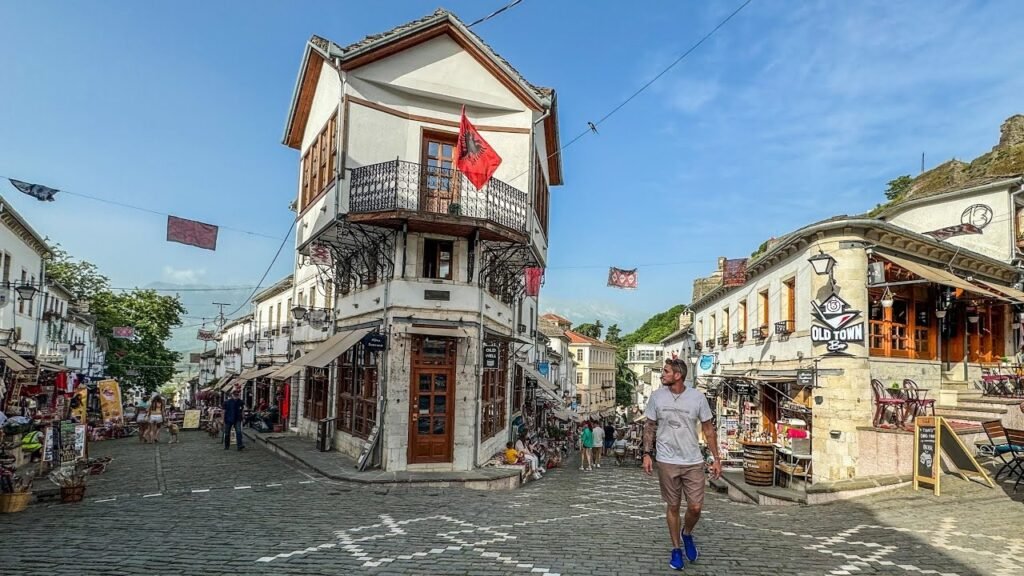
A stone city built into a mountainside.
Ottoman-era houses with slate roofs cascade down the hillside. A medieval castle overlooks the valley. Time stopped here somewhere around the 18th century, and the town is better for it.
Why it feels unreal: Walking these cobblestone streets feels like time travel. Tourism hasn’t sanitized anything yet.
Best time to visit: April to June or September to October for pleasant weather.
Why most people don’t know about it: Albania only recently opened up to tourism, and most travelers stick to the coast.
Perfect for: Budget-conscious travelers and anyone seeking remote destinations with authentic culture.
25. Okavango Delta, Botswana
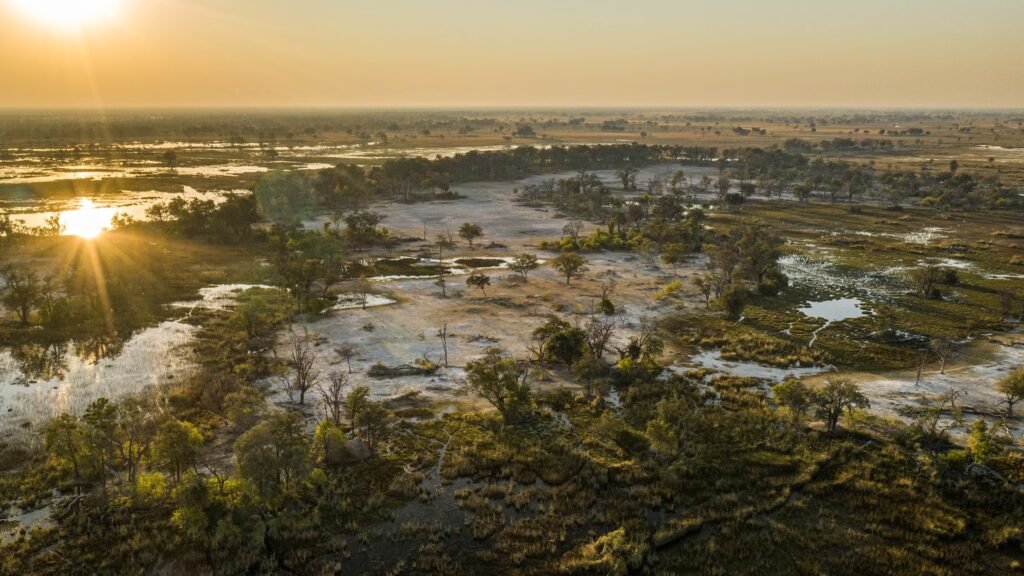
A river that flows into desert and creates an inland delta.
Every year, floodwaters from Angola transform Botswana’s desert into a wetland paradise. Elephants wade through channels. Lions hunt on islands. You explore by traditional mokoro canoe, watching wildlife from water level.
Why it feels unreal: The improbability of it all—a thriving ecosystem in the middle of the Kalahari Desert.
Best time to visit: May to September (dry season and peak flooding).
Why most people don’t know about it: Kenya and Tanzania grab the safari headlines, and Botswana markets itself to luxury travelers.
Perfect for: Safari enthusiasts who want exclusivity and a different perspective on African wildlife.
26. Salento, Colombia
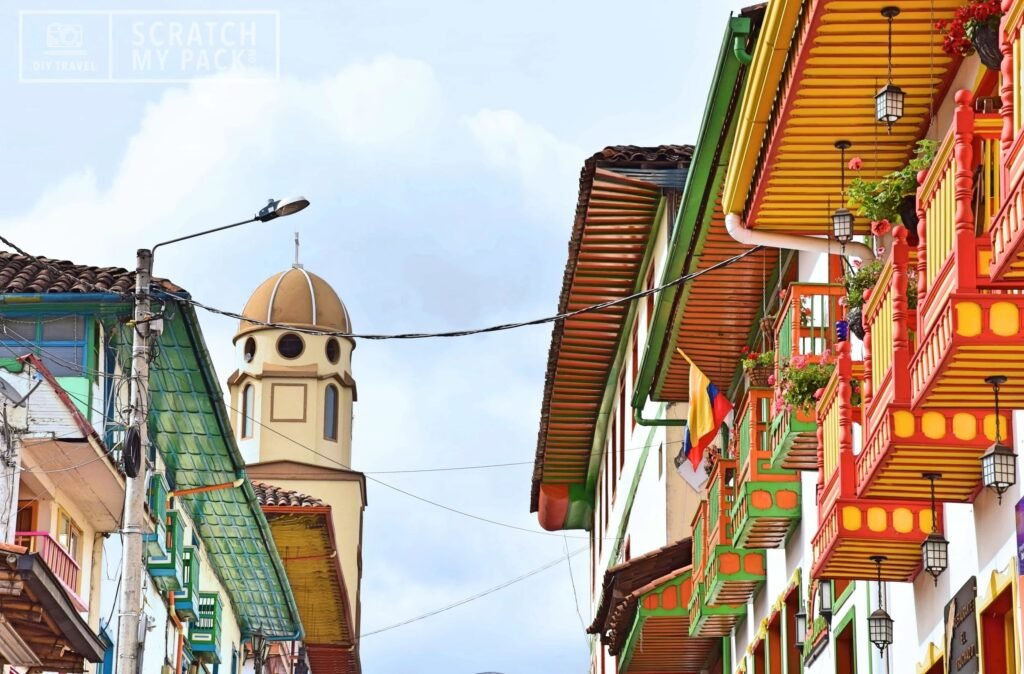
Coffee country that looks painted.
Rolling green hills covered in coffee plantations. Wax palms (Colombia’s national tree) rising 200 feet tall in the Cocora Valley. Colonial towns with colorful buildings and zero pretense.
Why it feels unreal: The Cocora Valley especially—these impossibly tall palms growing out of green valleys ringed by mountains.
Best time to visit: December to March or July to August (dry seasons).
Why most people don’t know about it: Colombia’s reputation took decades to recover, and many travelers still skip it entirely.
Perfect for: Coffee lovers, hikers, and travelers who want authentic Latin American culture.
27. Sveti Stefan, Montenegro
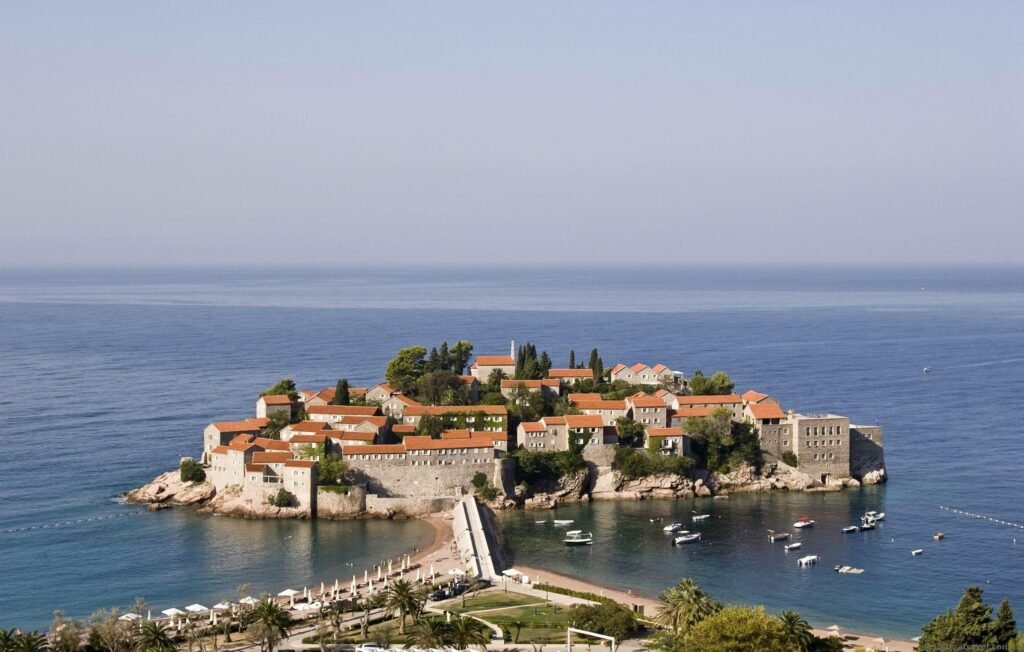
A fortified island village turned luxury resort.
This 15th-century fishing village connects to the mainland by a narrow causeway. The entire island is now a hotel, but the beach and views are open to everyone. It’s Montenegro’s most photographed spot, yet the country itself remains relatively undiscovered.
Why it feels unreal: The entire island looks like a movie set, but it’s been there for 600 years.
Best time to visit: May to June or September for warm weather without peak summer crowds.
Why most people don’t know about it: Montenegro gets overshadowed by Croatia and Greece, despite offering similar beauty at better prices.
Perfect for: Beach lovers who want Mediterranean vibes without Mediterranean crowds.
Why These Places Feel Different
You notice something after visiting enough “must-see” destinations.
The most popular spots rarely deliver what you’re actually looking for. They’re crowded. Expensive. Optimized for Instagram rather than experience.
These 27 secret travel spots operate differently.
Authenticity survives here. Local culture hasn’t been repackaged for tourist consumption. People live their lives regardless of whether you’re watching.
Scale and silence matter. Whether it’s the vastness of Salar de Uyuni or the quiet streets of Luang Prabang, these places give you room to think. To process. To just exist without performing.
The beauty feels raw. Untouched landscapes. Unrestored architecture. Nature doing what nature does without intervention. There’s something honest about places that haven’t been manicured for visitors.
You’re not following a script. No designated photo spots with painted footprints showing you where to stand. No timed entry tickets. No massive crowds funneling you through experiences at their pace.
These hidden travel destinations reward the effort it takes to reach them. They demand presence instead of just showing up.
Travel Tips for Visiting Remote Destinations
Budget Tips
Tier these destinations by cost. Expensive: Norway (Svalbard, Lofoten), Botswana (Okavango Delta). Mid-range: Indonesia (Raja Ampat), Chile (Patagonia). Budget-friendly: Albania, Bulgaria, Colombia, Georgia, Laos.
Book local where possible. International booking sites upcharge remote destinations. Local operators, especially in places like Albania and Georgia, offer better rates and more authentic experiences.
Visit during shoulder season. You’ll save 30-50% on accommodations and have better experiences without summer crowds.
Safety and Planning
Research visa requirements early. Some destinations (Yemen’s Socotra, Myanmar) require special permits or have limited entry points.
Get comprehensive travel insurance. Remote destinations mean remote medical care. Coverage for emergency evacuation isn’t paranoia when you’re visiting places like Svalbard or the Skeleton Coast.
Download offline maps. Google Maps works offline if you download the region beforehand. Crucial for places with spotty connectivity.
Learn basic local phrases. English penetrates less in hidden destinations. Ten words in the local language opens doors.
Build in buffer days. Remote destinations mean weather delays, canceled boats, and unexpected changes. Tight schedules create stress.
Avoiding Crowds
Wake up early. Sunrise hours give you most places to yourself, even popular spots like Meteora or Lake Bled.
Visit the village, not just the landmark. Chefchaouen has quiet neighborhoods beyond the Instagram walls. Gjirokastër has entire districts tourists never explore.
Talk to locals about timing. They know when cruise ships dock, when tour buses arrive, when their own people avoid certain areas.
Stay overnight in small towns. Day-trippers disappear by 5 PM. You get the magic hours—early morning and late evening—when the light is best and the streets are empty.
Frequently Asked Questions
Are these destinations safe for solo travelers?
Most of these destinations are safer than you’d expect. Countries like Albania, Georgia, and Montenegro have lower crime rates than most Western European countries. Solo travel is common in places like Slovenia, Croatia, and the Faroe Islands.
The exceptions require more research: Yemen (Socotra specifically is safer than mainland Yemen but requires organized travel), Myanmar (check current political situations), and certain regions require guides for safety and logistics (Skeleton Coast, Svalbard, Okavango Delta).
Trust your instincts, stay aware, and connect with other travelers or local guides when entering genuinely remote areas.
Which destinations are budget-friendly?
Albania, Bulgaria, Georgia, Colombia, and Laos offer incredible value. You can travel well on $30-50 per day including accommodations, food, and local transport.
Montenegro, Croatia, and Turkey fall into the mid-budget range—more expensive than Southeast Asia but significantly cheaper than Western Europe.
Morocco, Jordan, and parts of China (outside major cities) also offer good value, especially if you eat local and use public transport.
When is the best time to visit these secret travel spots?
It varies dramatically by destination. Generally:
European destinations: April-June or September-October for weather without crowds
Tropical destinations (Philippines, Indonesia): November-April for dry season
South America: November-March (summer in Southern Hemisphere)
African destinations: Dry season (roughly May-October, varies by country)
Northern destinations (Faroe Islands, Svalbard): June-August for midnight sun, or winter months for northern lights
Check each specific destination’s climate before booking. Some places have narrow windows for optimal visits.
How do I get to these remote destinations?
Most require multiple flights or combinations of transport. Expect:
Island destinations (Faroe Islands, Azores, Socotra): Limited flight options, often requiring connections through regional hubs
Mountain destinations (Patagonia, Dolomites): Fly to nearest major city, then rent a car or use regional transport
Remote areas (Okavango Delta, Skeleton Coast): Organized tours or chartered transport often required
Accessible hidden gems (Albania, Georgia, Slovenia): Regular flights to capital cities, easy onward travel
Research transport before committing. Some destinations demand more time and money to reach.
Can I visit multiple destinations in one trip?
Absolutely, with smart planning:
Balkan route: Albania → Montenegro → Croatia → Slovenia (2-3 weeks)
Norwegian combo: Lofoten Islands → mainland Norway → Faroe Islands (requires backtracking but possible)
South American swing: Colombia → Peru (Huacachina) → Chile/Argentina (Patagonia) (3-4 weeks minimum)
Southeast Asia circuit: Laos → Thailand → Philippines → Indonesia (Raja Ampat requires extra time)
Don’t rush. These places reward slower travel. Better to fully experience three destinations than superficially visit ten.
Do I need a guide or can I travel independently?
Independent travel works for: Most European destinations, Southeast Asian spots, South American cities and established hiking routes
Guides recommended for: Okavango Delta, Skeleton Coast, Svalbard (legally required outside town), Socotra, parts of Patagonia’s backcountry
Cultural guides enhance experience: Myanmar (Bagan), Jordan (Wadi Rum), Morocco (Chefchaouen’s mountain surroundings)
Guides aren’t about hand-holding—they provide access, safety, and context you’d miss otherwise. In truly remote destinations, they’re essential.
The Real Reason These Places Matter
Travel changes when you stop collecting destinations and start collecting perspectives.
These 27 secret travel spots aren’t better than popular destinations because they’re empty. They’re better because they demand something from you. Attention. Effort. Presence.
You can’t half-ass your way through Svalbard or Socotra. You can’t scroll through Wadi Rum. These places force you to show up fully, and that’s when travel delivers what it promises—perspective.
Every man should have memories of standing somewhere that made him feel small. Not inadequate, but appropriately sized against the scale of the world. These destinations provide that.
They also prove a point: the best experiences aren’t the most popular ones.
The world rewards curiosity over convenience. It rewards those willing to research, plan, and occasionally deal with uncertainty. The gap between “everyone goes there” and “almost nobody knows about this” often comes down to a single connecting flight or a willingness to visit countries that sound unfamiliar.
These hidden travel destinations exist for anyone willing to find them.
Save this list. Pick three that call to you. Research them. Plan one for next year. The difference between a life of travel and a life of wanting to travel is usually just committing to a date.
The world is bigger than Bali and Paris. More interesting than the top ten lists. More accessible than you think.
These 27 places prove it. The only question is which one you’ll see first.
Ready to start planning? Share this list with someone who needs the reminder that the best destinations are still out there, waiting. Or save it for yourself and start crossing them off, one unforgettable trip at a time.