
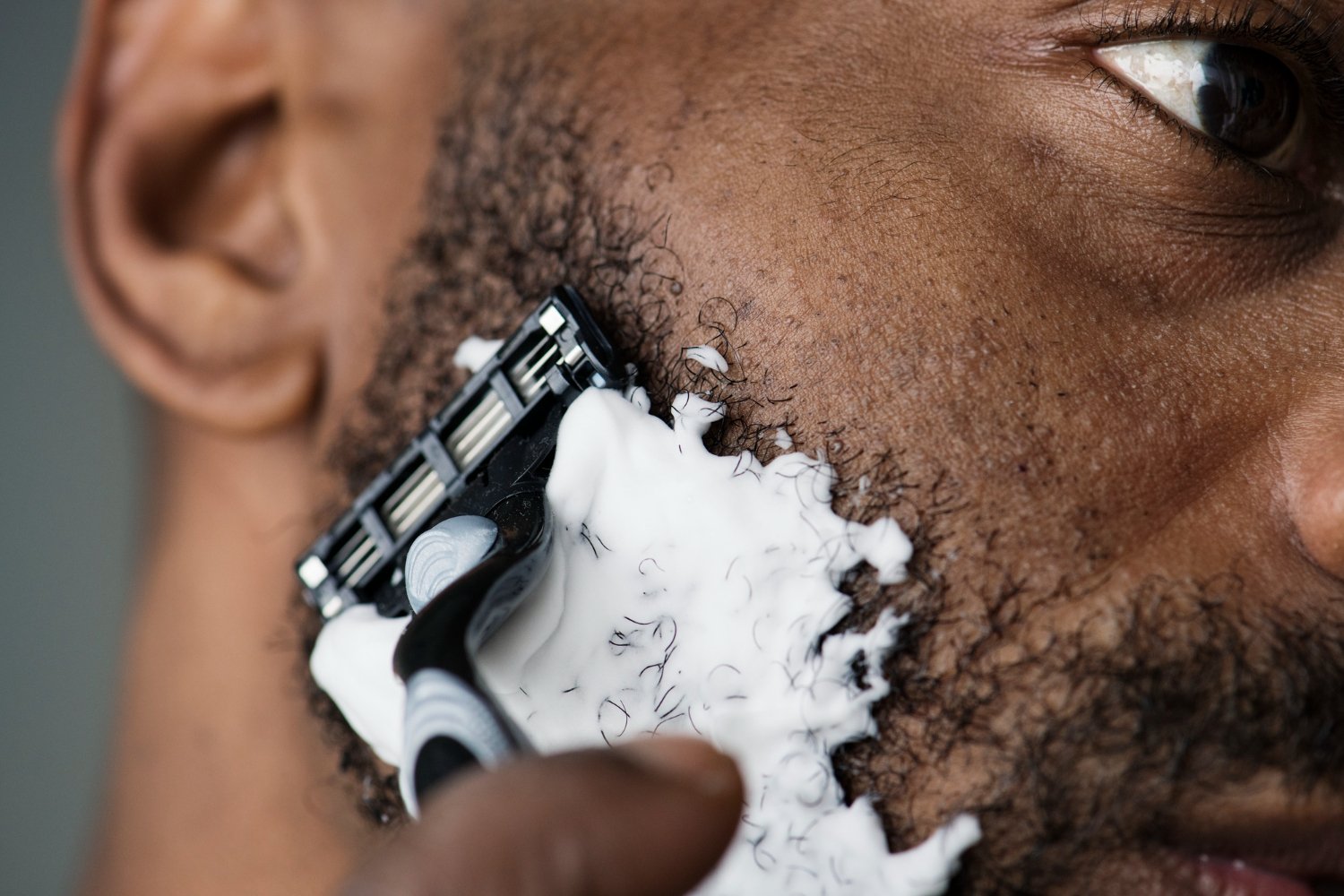
If you’ve ever finished shaving only to end up with razor burn, nicks, or that uncomfortable tight feeling on your skin, you already know that shaving isn’t as simple as it looks.
The truth is, most men were never actually taught how to shave properly — they just figured it out on the fly.

This guide covers the best shaving tips for men who want a genuinely smooth, comfortable shave without the irritation, ingrown hairs, or wasted money on products that don’t work.
Why Most Men Struggle with Shaving (And It’s Not Their Fault)
Shaving is one of those skills that gets passed down casually — a quick demo from a dad or older brother, maybe a disposable razor tossed your way, and you’re on your own. So it’s no surprise that razor burn, dryness, and poor results are incredibly common.

The good news? Most shaving problems come down to a handful of fixable mistakes. Fix those, and your entire shaving experience transforms.
Read also: Men Grooming Routine: The Complete Guide Every Man Needs in 2026
The Smooth Shaving Routine: Step-by-Step
A smooth shaving routine isn’t complicated, but the order and method matter more than most men realize. Here’s how to do it right, from start to finish.
Step 1: Prep Your Skin (This Is the Most Skipped Step)
The biggest difference between a great shave and a painful one often comes down to preparation. Shaving on dry, unprepared skin is a recipe for irritation.

- Wash your face first with warm water and a gentle cleanser to remove oil, dirt, and dead skin cells
- Shave after a shower whenever possible — steam softens the hair follicles and opens pores, making the razor glide more easily
- If you can’t shower first, press a warm, damp towel against your face for 60–90 seconds to achieve a similar effect
- Consider using a pre-shave oil on coarser beards — it adds an extra layer of lubrication and further softens the hair before the blade even touches your skin
Soft hair cuts far more easily than dry, stiff hair. This one step alone dramatically reduces tugging, nicks, and post-shave redness.
Step 2: Choose the Right Shaving Product
Not all shaving products are created equal. The foam from a pressurized aerosol can is convenient, but it tends to be drying and doesn’t provide the same lubrication as a quality cream or gel.
Better options:
- Shaving cream (bowl or tube) — Lathers with a brush, moisturizes well, ideal for sensitive skin
- Shaving gel — Transparent, so you can see where you’re shaving; great for precision around edges
- Shaving soap — Traditional, cost-effective, and excellent for a rich, cushioned lather
Whatever you choose, apply it in circular motions to lift the hairs away from the skin before shaving. Don’t just smear it on flat — that’s another one of the common shaving mistakes men make.

Step 3: Use the Right Razor — And Keep It Sharp
The tool matters enormously. Using a dull blade is one of the most damaging shaving mistakes men make. A dull razor drags across the skin instead of cutting cleanly, which causes micro-tears, irritation, and inflammation.
How to choose:
- Multi-blade cartridge razors — Convenient and widely available. Replace the cartridge every 5–7 shaves, or when you notice any tugging.
- Safety razors (double-edge) — A single, sharp blade that’s gentler on skin despite sounding harsher. More economical long-term, and excellent for razor burn prevention.
- Straight razors — The most precise option, but requires skill and practice. Best left until you’ve mastered the basics.
A good rule of thumb: if your razor is pulling instead of gliding, it’s time for a new blade. Don’t try to stretch the life of a blade to save a few cents — it’s not worth the skin damage.
Step 4: Shave With the Grain First
Always begin by shaving with the grain — meaning in the direction your hair naturally grows. This is critical for razor burn prevention and reducing the risk of ingrown hairs.
Many men go straight for the against-the-grain pass in pursuit of the closest possible shave, but doing this on unprepared skin is harsh and unnecessary. Here’s the smart approach:
- First pass: With the grain — removes the bulk of hair with minimal irritation
- Second pass (optional): Across the grain — gets closer without the aggression of going fully against
- Third pass (if needed): Against the grain — only on areas where closeness matters most, like under the chin
Use light, short strokes. Let the razor do the work — pressing harder doesn’t give a closer shave, it just increases irritation.
Step 5: Rinse and Apply Aftershave Properly
Once you’re done, rinse with cool water to close the pores and calm the skin. Pat — don’t rub — your face dry with a clean towel.
Then comes the aftershave step, which is where shaving skin care really counts:
- Alcohol-based aftershave splashes — Antiseptic and invigorating, but drying. Fine for oily skin, harsh for sensitive skin.
- Aftershave balms — Hydrating and soothing. The better choice for most men, especially those prone to irritation.
- Moisturizer — Always finish with a light facial moisturizer, even if you use an aftershave balm. Shaving removes a thin layer of skin cells every time, and replenishing moisture is key to long-term skin health.
Skipping post-shave skin care is one of the most overlooked shaving mistakes men make — and one of the easiest to fix.
Razor Burn Prevention: Why It Happens and How to Stop It
Razor burn is that red, stinging, sometimes bumpy irritation that shows up on your neck or jaw after shaving. It’s extremely common, and completely avoidable once you understand what causes it.
Common causes of razor burn:
- Shaving with a dull blade
- Skipping skin prep
- Dry shaving or using inadequate lubrication
- Shaving against the grain too aggressively
- Applying too much pressure
- Shaving the same area repeatedly in one session
How to prevent it:
- Always prep your skin with warmth and moisture first
- Use a sharp blade and replace it regularly
- Apply a generous layer of quality shaving cream or gel
- Shave with the grain on the first pass
- Let the razor glide — press lightly
- After shaving, apply a soothing, alcohol-free balm
If you already have razor burn, resist the urge to shave over it. Let it heal for a day or two, apply aloe vera or a gentle balm, and avoid touching the area unnecessarily.
The Shaving Mistakes Men Make Most Often
Let’s consolidate the biggest errors into one easy reference. If you’re experiencing problems with your shave, chances are one of these is the culprit.
1. Using a dull razor This is the number one cause of irritation, nicks, and poor results. Replace blades far more often than you think you need to.
2. Skipping the warm-up Cold, dry skin and stiff hair make for a rough shave. Even 60 seconds of warm water prep makes a noticeable difference.
3. Going against the grain immediately Starting with an against-the-grain pass on unprepared skin causes unnecessary trauma. Build up to it.
4. Applying too much pressure A common instinct is to press harder for a closer shave. It doesn’t work that way — it only increases irritation.
5. Shaving the same spot over and over Multiple passes over the same area strip away the protective cream layer and irritate skin rapidly. Be thorough but efficient.
6. Ignoring aftershave skin care Finishing your shave without moisturizing or applying a balm leaves skin vulnerable to dryness and tightness throughout the day.
7. Using the wrong products for your skin type Men with sensitive or dry skin should avoid alcohol-heavy products and opt for hydrating, fragrance-free alternatives instead.
Shaving Skin Care: Building It Into Your Daily Routine
Good shaving skin care isn’t a separate routine — it’s an extension of basic daily grooming. Here’s how to integrate it seamlessly:
Morning shave routine (full):
- Cleanse with warm water
- Apply pre-shave oil (optional, for coarse beards)
- Apply shaving cream or gel
- Shave — with grain first, then across
- Rinse with cool water
- Pat dry
- Apply aftershave balm
- Moisturize with SPF (yes, SPF — your freshly shaved skin is more vulnerable to sun damage)
On non-shaving days:
- Cleanse and moisturize as usual
- Exfoliate 1–2 times per week to prevent ingrown hairs and keep follicles clear
Even if your smooth shaving routine only takes five to ten minutes, it pays off compoundly — better skin, fewer breakouts, no ingrown hairs, and a closer shave every time because your skin is consistently in good condition.
FAQ: Shaving Tips for Men
How often should I replace my razor blade? Every 5–7 shaves for cartridge razors, or when you notice any pulling or dragging. Don’t wait until it’s visibly dull — by then, you’ve already caused irritation.
Is shaving every day bad for your skin? Not if you’re doing it correctly with a sharp blade and proper skin prep. Daily shaving can actually act as a mild exfoliant. The key is keeping your skin moisturized and not over-irritating it with poor technique.
What’s the best shaving product for sensitive skin? Look for fragrance-free, alcohol-free shaving creams or gels with soothing ingredients like aloe vera, chamomile, or glycerin. Brands like CeraVe, Nivea Sensitive, and Proraso Sensitive are widely recommended by dermatologists.
How do I stop getting ingrown hairs? Exfoliate regularly, shave with the grain, and use a sharp blade. After shaving, apply a product with salicylic acid or glycolic acid to keep pores clear and prevent hairs from curling back into the skin.
Should I use hot or cold water to rinse after shaving? Cool water — it helps close pores, reduce redness, and calm the skin after the shave. Save the hot water for the prep stage before you shave.
Can I shave without shaving cream in a pinch? Technically yes, but it significantly increases the risk of razor burn and cuts. If you’re out of shaving cream, hair conditioner is a surprisingly effective substitute — it softens hair and lubricates the skin reasonably well.
Conclusion: Great Shaving Comes Down to a Few Right Habits
The best shaving tips for men aren’t complicated — they’re just not commonly taught. A warm prep, a sharp blade, the right products, and a little post-shave skin care are all it takes to go from a frustrating, irritating experience to a genuinely smooth shave you look forward to.
Start with razor burn prevention by fixing your blade and your technique. Build a simple smooth shaving routine that takes less than ten minutes. Avoid the common shaving mistakes men make — especially skipping prep and using dull razors. And treat shaving skin care as a non-negotiable part of the process, not an optional extra.
Do these things consistently, and your skin will thank you every single morning.
Read also: