
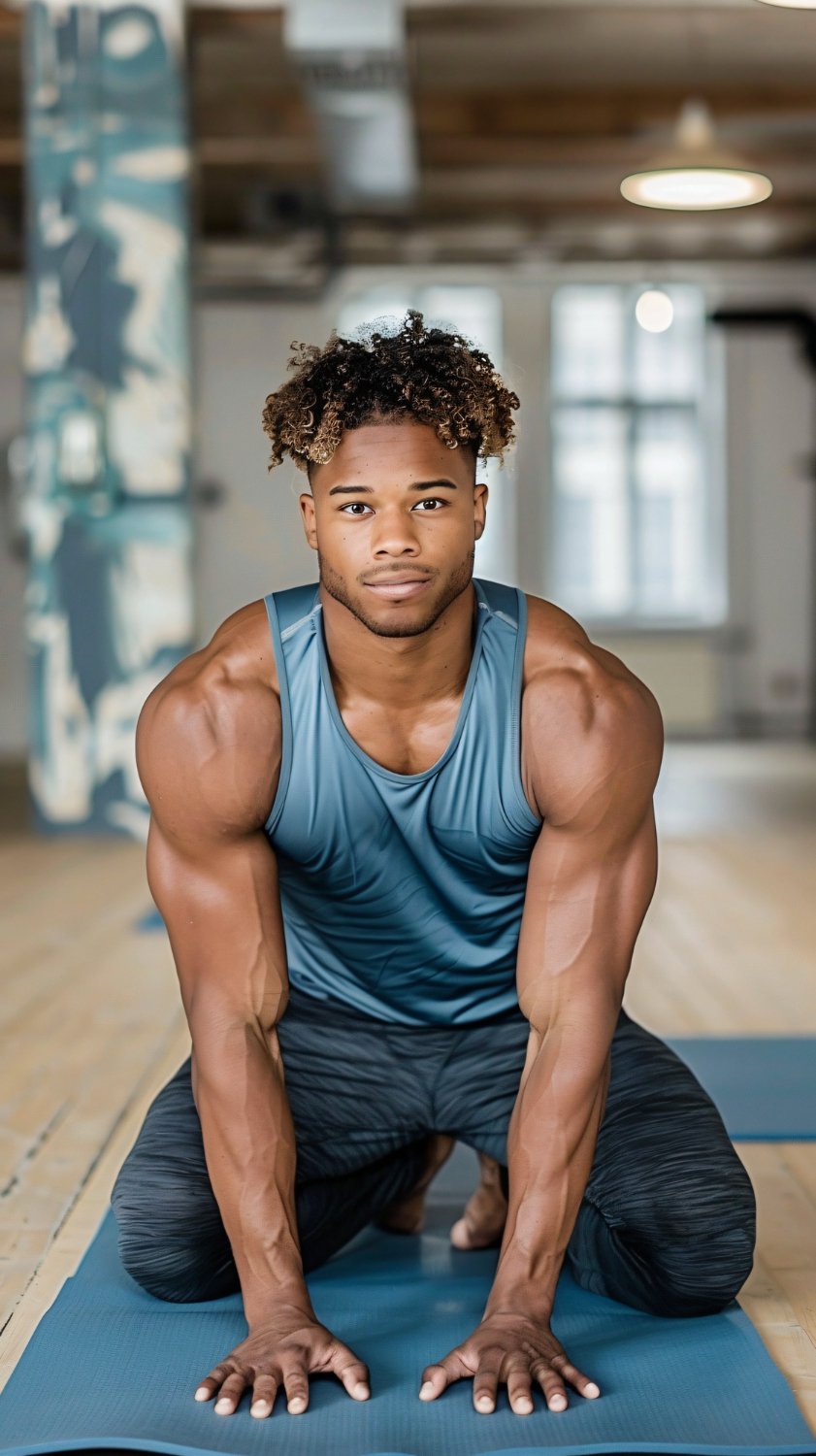
Walk into any room and you’ll notice something interesting: the guy who looks most put-together isn’t always the biggest or the leanest. He’s the one whose body seems to work with his clothes rather than against them.
His jacket sits perfectly on his shoulders. His shirt drapes cleanly without pulling or bunching. He moves with an ease that suggests strength without trying to prove it. This isn’t about having a bodybuilder’s physique or a marathon runner’s frame—it’s about building the kind of body that makes everything you wear look intentional, elevated, and effortlessly masculine.
The physique that looks best in clothes isn’t built in isolation from style; it’s the foundation that makes style actually work.
The Foundation: Understanding the Clothed Physique
Here’s what most men get wrong: they train for the beach, not for real life. They obsess over abs visible from across the room or arms that burst through sleeves, without considering that 99% of the time, they’re fully dressed. The physique that truly enhances how you look clothed is built on different principles than what you see in fitness magazines.

Think about the last wedding you attended, the business meeting where you wanted to make an impression, or the date where you wanted to feel confident. In those moments, your body’s job wasn’t to be seen—it was to create structure, proportion, and presence through fabric.
The ideal clothed physique creates what tailors call “the frame.” It’s characterized by broad shoulders that taper to a narrower waist, proper posture that fills out the back of a jacket, arms that suggest capability without stretching seams to their limit, and legs that balance your upper body without looking neglected. This creates a V-shaped silhouette that clothing designers use as their template.
When your body matches this template, something remarkable happens: off-the-rack clothes fit better, alterations require less work, you look taller and more commanding, and your presence feels more intentional. You’re not fighting against your clothes or forcing your body into shapes it wasn’t built for.
The Science of Presence and Perception
Your physique affects how people perceive you before you speak a single word. Research in social psychology consistently shows that body composition and posture influence judgments about competence, confidence, and leadership capability. This isn’t superficial—it’s human nature rooted in evolutionary psychology.

When you develop proper shoulder width and back development, you naturally adopt better posture. This improved posture increases testosterone and reduces cortisol levels, creating a biological feedback loop. You feel more confident because your body is literally producing the hormones associated with confidence. Others perceive this shift unconsciously.
The way clothes fit amplifies or diminishes these signals. A well-proportioned physique allows fabric to drape naturally, creating clean lines that signal order and self-discipline. When a shirt pulls awkwardly across your chest or bags around your midsection, it creates visual noise that distracts from your presence.
Consider the difference between wearing a suit with underdeveloped shoulders versus one supported by proper deltoid and upper back development. In the first scenario, the jacket’s shoulder pads do all the work, often creating an obvious, artificial look. In the second, your natural frame fills the structure while the jacket simply enhances what’s already there.
This principle extends beyond formal wear. A simple t-shirt looks entirely different on someone with developed lats and shoulders versus someone with a cylindrical torso. The fabric has structure to work with, creating shape and definition even in casual clothing.

Building the Structure: Training for Proportion
The physique that looks best in clothes prioritizes specific muscle groups that create architectural structure. This isn’t about getting huge—it’s about developing the right proportions in the right places.
Shoulders are your cornerstone. Well-developed deltoids, particularly the lateral and rear heads, create the width that everything else builds from. This doesn’t mean boulder shoulders that won’t fit through doorways. It means shoulders that are noticeably broader than your waist, creating that essential taper. Focus on overhead pressing variations, lateral raises, and rear delt work. The goal is three-dimensional shoulders that look substantial from every angle.
Your back creates the depth. While shoulders provide width, your lats and upper back muscles create thickness and posture. Developed lats make your torso V-shaped from behind and give shirts something to drape from. Upper back development—traps, rhomboids, and rear delts—pulls your shoulders back naturally, improving posture without conscious effort. Prioritize rowing variations, pull-ups, and face pulls. Think about filling out the back panel of a shirt or jacket, not just the front.
The waist is about definition, not size. A trim waist creates contrast with your shoulders and chest. This doesn’t require visible abs—it requires keeping your waist relatively lean and avoiding the blocky, thick-waisted look that comes from certain training approaches. Strategic core training and nutritional discipline matter more than endless crunches.
Arms provide balance, not dominance. Well-developed arms should look proportional to your frame, not like they belong on a different body. The goal is arms that fill sleeves properly—suggesting strength without straining fabric. Balanced bicep and tricep development, along with forearm work, creates arms that look natural in everything from dress shirts to casual wear.
Legs complete the picture. Neglecting leg development creates an unbalanced silhouette that even the best tailoring can’t fix. Developed quads and glutes improve how trousers fit and ensure your upper body development doesn’t look cartoonish. You don’t need massive legs, but they should clearly support your upper body.
Chest development requires nuance. An overly developed chest can actually work against you in clothes, creating pulling and gaping in shirts and jackets. The goal is a chest that provides fullness without excessive thickness, allowing shirts to lay flat while still suggesting strength beneath.
The Body Fat Sweet Spot
One of the most overlooked aspects of looking good in clothes is body fat percentage—not too lean, not too heavy, but strategically maintained.
Extremely low body fat (under 10%) creates definition that looks impressive shirtless but can actually make clothes fit worse. Very lean faces can look gaunt in professional settings. Extremely defined muscles can create odd pulling patterns in fabric. Your body needs some subcutaneous fat to create the smooth lines that clothing drapes over.
The ideal range for looking best in clothes sits between 12-18% body fat for most men. This provides enough leanness to maintain a defined jawline, visible shoulder and arm separation, and a trim waist—all while keeping your face full enough to look healthy and vibrant. At this range, your muscles have shape and definition under clothing without creating the overly striated look that can read as extreme.
This body fat range also has practical advantages: it’s sustainable year-round without extreme dieting, it supports better hormonal balance and energy levels, it allows for social flexibility around food, and it looks natural and healthy in professional environments.
Posture: The Invisible Multiplier
You can have perfect proportions, but without proper posture, your physique loses its impact in clothes. Posture is where physique meets presence.
Proper posture—shoulders back, chest up, spine neutral, head level—does several things simultaneously. It maximizes your height, making you appear taller and more commanding. It creates clean lines in clothing, allowing jackets and shirts to drape as designers intended. It signals confidence and capability before you speak. It improves how you feel, creating that hormonal feedback loop mentioned earlier.
Building the physique that looks best in clothes naturally improves your posture. Developed upper back muscles physically pull your shoulders into better alignment. Core strength stabilizes your spine. But you still need conscious awareness. The strongest back in the world won’t help if you’re constantly slouched over your phone.
Practice standing as if you’re being pulled upward from the crown of your head. Feel your shoulder blades slide down and together slightly. Engage your core without holding your breath. This should feel active but not strained—sustainable for extended periods.
When sitting, maintain the same upper body alignment. Don’t let your shoulders roll forward or your head jut out. This matters because people form impressions of you in everyday situations—at your desk, in meetings, at dinner—not just when you’re consciously standing tall.
Practical Application: Training and Nutrition Strategy
Building the clothed physique requires a specific approach that differs from typical bodybuilding or strength training programs.
Training frequency and volume: Focus on upper body development with 4-5 sessions per week, emphasizing shoulders and back twice weekly. Lower body training 2-3 times per week maintains proportion without creating excessive mass. This isn’t about neglecting legs—it’s about strategic emphasis.
Exercise selection matters more than you think. Prioritize compound movements that build functional strength and natural proportion: overhead presses, rows, pull-ups, bench presses with moderate weight, Romanian deadlifts, and squats with emphasis on control. Supplement with targeted isolation work for shoulders and arms.
Rep ranges for the clothed physique: Moderate rep ranges (8-12 reps) build muscle without excessive mass. Higher rep work (12-20) for shoulders and arms creates shape and detail. Lower reps (4-6) for main lifts maintain strength without bulk.
Nutrition should support lean mass, not maximum size. Eat in a slight caloric surplus when building (200-300 calories above maintenance), prioritizing protein (0.8-1g per pound of body weight). Focus on whole foods that support hormonal health and recovery. Maintain flexibility for social eating—this is a lifestyle approach, not a contest prep.
Cardio preserves the aesthetic. Moderate cardiovascular training (2-3 sessions weekly) maintains cardiovascular health and helps regulate body fat. Walking 8,000-10,000 steps daily provides additional calorie expenditure without interfering with recovery.
Common Mistakes That Undermine the Look
Men pursuing the clothed physique often sabotage themselves without realizing it.
Mistake one: Training like a bodybuilder while living like a professional. Massive arms and chest might look impressive in a tank top, but they create fit problems in dress shirts and jackets. They limit your clothing options and can even appear intimidating in professional settings where you want to seem approachable and competent, not aggressive.
Mistake two: Neglecting posture and mobility. All the muscle in the world won’t help if you move stiffly or carry yourself poorly. Tight hip flexors from excessive sitting create forward pelvic tilt that ruins your silhouette. Tight chest muscles pull your shoulders forward, destroying the clean lines your back development should create.
Mistake three: Getting too lean. The Instagram aesthetic of extreme leanness looks impressive in photos but often appears gaunt in person. Extremely lean faces can age you. Very low body fat can make you look smaller in clothes, not bigger. Remember: you’re optimizing for real-world presence, not photo shoots.
Mistake four: Imbalanced development. Overemphasizing “mirror muscles” (chest, biceps, abs) while neglecting back and posterior chain creates a body that looks awkward from the side and back. Since people see you from all angles in real life, three-dimensional development matters.
Mistake five: Ignoring how clothes actually fit. Some men build impressive physiques that work against clothing construction. Excessively large legs make trousers fit awkwardly. Overdeveloped lats force jackets to pull uncomfortably. Understanding basic tailoring principles should inform your training decisions.
Lifestyle Integration: Where Physique Meets Style
The physique that looks best in clothes doesn’t exist in isolation—it’s part of a larger approach to how you present yourself.
Understanding fit and proportion: Once you’ve built the right foundation, learn how clothes should fit your frame. Jackets should hug your shoulders without pulling, with the waist slightly suppressed to emphasize your taper. Shirts should follow your torso’s lines without excess fabric or tightness. Trousers should fit comfortably through the seat and thigh while maintaining a clean line. Your physique makes these fits possible; knowledge makes them intentional.
Fabric choice amplifies your physique. Structured fabrics like wool, cotton-linen blends, and quality denim work with your frame to create shape. Flimsy fabrics or overly stretchy materials can actually diminish the impact of your physique. Choose fabrics with enough weight and structure to drape properly.
Colors and patterns interact with your proportions. Darker colors on areas you want to minimize (typically the waist), lighter or bolder colors on your upper body to emphasize width. Horizontal stripes can enhance shoulder width when used strategically. Vertical elements elongate your silhouette.
Grooming completes the package. Your physique affects how you should approach grooming. A strong jawline enhanced by proper body fat percentage looks even better with intentional facial hair or a clean shave. Well-developed traps and neck muscles change how your shirt collar frames your face. Even your hairstyle should complement your overall proportions.
Professional presence multiplies impact. In business contexts, the physique that looks best in clothes provides subtle but significant advantages. You fill out suits with natural authority. You project physical capability alongside mental competence. You’re taken more seriously in negotiations and leadership situations. This isn’t about intimidation—it’s about commanding respect through integrated presence.
Social confidence comes from coherence. When your body, clothing, grooming, and posture align, you project coherence. This integration reduces self-consciousness because everything works together. You’re not worried about how your shirt fits or whether you look out of place. This mental freedom translates to better social interactions, improved dating success, and stronger personal relationships.
FAQ: The Clothed Physique Explained
What body fat percentage looks best in clothes?
For most men, 12-18% body fat optimizes how you look in clothes. This range provides enough leanness to maintain facial definition, a visible jawline, and a trim waist, while keeping enough subcutaneous fat for healthy appearance and smooth fabric drape. Very low body fat (under 10%) can make faces look gaunt and create awkward pulling in clothing. Above 20%, the waist typically thickens enough to diminish the shoulder-to-waist ratio that creates a strong clothed silhouette.
Do I need to lift heavy weights to build a physique that looks good in clothes?
Not necessarily. The clothed physique prioritizes proportion and shape over maximum strength. Moderate weights in the 8-12 rep range build muscle effectively without creating excessive mass. Focus on progressive overload—gradually increasing weight, reps, or volume over time—rather than immediately maxing out. Controlled, quality repetitions with proper form build the defined, proportional muscles that enhance how clothes fit better than heavy lifting with compromised technique.
How long does it take to build a physique that improves how I look in clothes?
Most men notice meaningful improvements in 3-6 months of consistent training and nutrition. Shoulder width becomes more apparent, posture improves, and clothes start fitting better. Significant transformation—the kind where people comment on how you look—typically requires 12-18 months. This assumes you’re training 4-5 times weekly, maintaining proper nutrition, and progressively building muscle. If you’re starting from a higher body fat percentage, initial fat loss combined with beginner muscle gains can create noticeable changes even faster.
Can you build this physique without a gym membership?
Yes, though it requires more creativity. Bodyweight exercises, resistance bands, and basic equipment like dumbbells or kettlebells can build the foundational physique. Pull-ups or inverted rows develop your back. Pike push-ups and handstand progressions build shoulders. Push-up variations work your chest. The challenge is progressive overload—continually increasing difficulty. Weighted vests, harder exercise variations, and higher volumes can compensate for limited equipment. However, a well-equipped gym makes the process more straightforward, especially for optimal shoulder and back development.
Should I train differently if I mostly wear suits versus casual clothes?
The fundamental principles remain the same—shoulders, back, posture, and proportion—but emphasis might shift slightly. If you primarily wear suits, prioritize upper back development and posture even more, as suit jackets especially reward proper shoulder positioning and a strong, upright carriage. Keep chest development moderate to avoid shirt gapping. If you dress casually, you have slightly more flexibility with proportions, but the shoulder-to-waist ratio still matters. Regardless of style, avoid extreme muscle development that limits clothing options or creates fit problems.
Conclusion: Building Presence, Not Just Muscle
The physique that looks best in clothes isn’t about extremes. It’s not about being the biggest guy in the room or the leanest person at the beach. It’s about building a body that enhances every aspect of how you move through the world—professionally, socially, and personally.
This approach recognizes a fundamental truth: you live your life clothed. The impressions you make, the opportunities you receive, the confidence you feel—these happen while you’re dressed, not while you’re showcasing your physique in isolation.
When you build broad shoulders that fill out jackets naturally, develop a back that creates posture without conscious effort, maintain a trim waist that creates contrast and proportion, and carry yourself with the confidence that comes from physical capability, something shifts. Clothes become tools that amplify your presence rather than problems you’re trying to solve. You stop adjusting your shirt or wondering if you look put-together. You simply show up, knowing your foundation is solid.
This is accessible to every man willing to invest consistent effort. You don’t need elite genetics or unlimited time. You need strategic training that prioritizes the right muscle groups, sustainable nutrition that supports lean mass without extreme restriction, attention to posture and how you carry yourself, and patience to build something lasting rather than dramatic.
Start where you are. Focus on shoulders and back this month. Clean up your nutrition next month. Gradually, systematically, build the frame that makes everything else easier. The physique that looks best in clothes isn’t built overnight, but every week of intelligent effort moves you closer to the version of yourself that walks into rooms with quiet confidence, knowing that your physical presence supports every other aspect of who you are.
Your body is the foundation. Your clothes are the architecture. Together, they create presence. Build accordingly.