
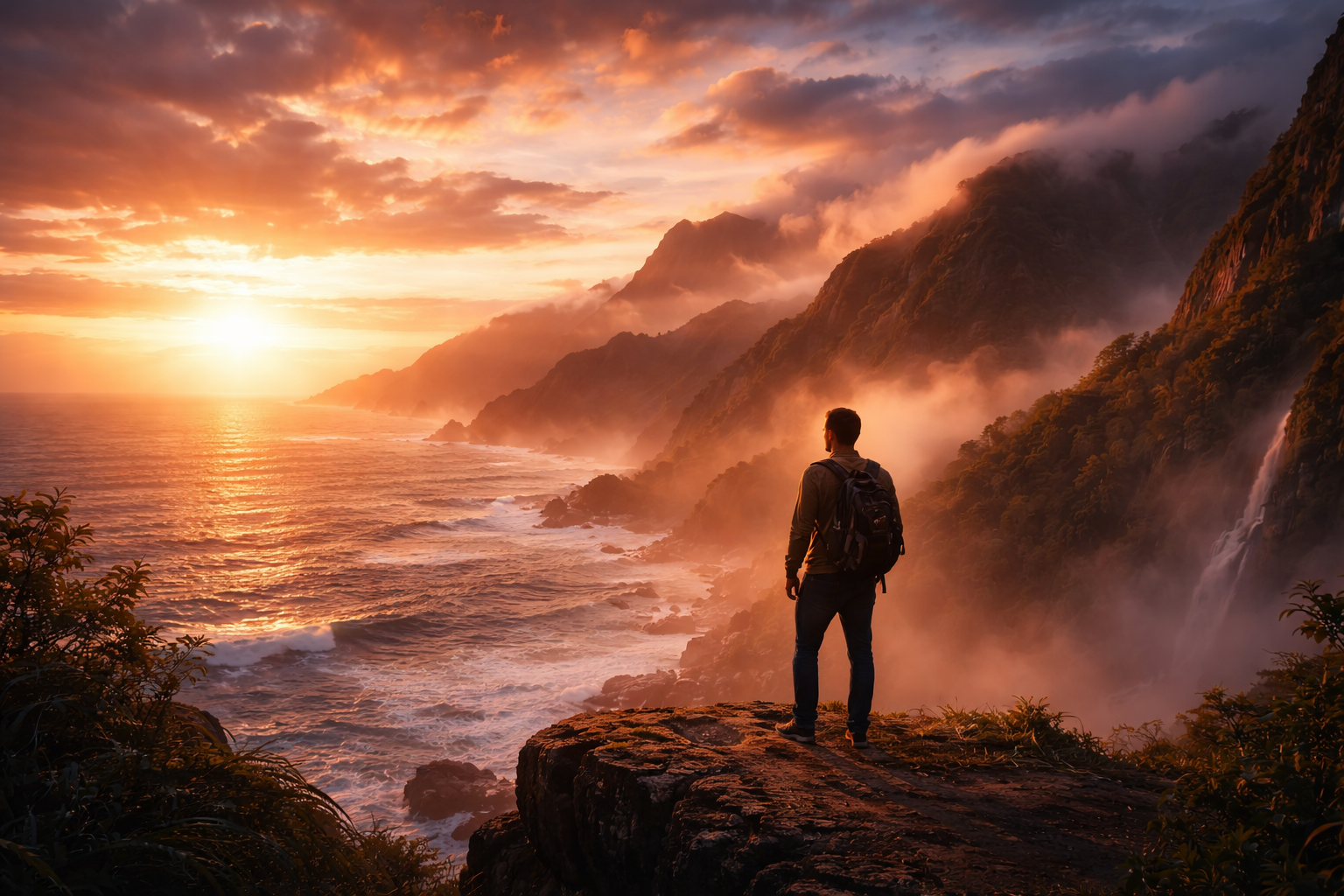
There’s a moment when you step into a place and everything stops. The light hits differently. The silence feels intentional. You’re standing there wondering if what you’re seeing is even real, or if you’ve somehow walked onto a film set.
I’ve chased that feeling across five continents. Not the Instagram version where everyone’s already been. The real thing—dream destinations that feel like a movie scene before the tourists arrive, before the influencers ruin it, before it becomes just another checkbox.
These aren’t the usual suspects. You won’t find Paris or Bali here. These are the places that rewire how you see the world. The ones that make you question why you ever settled for predictable weekends and safe vacations.
If you’re reading this, you already know there’s more out there. Let’s find it.
Faroe Islands, Denmark – Where Vikings Meet Blade Runner
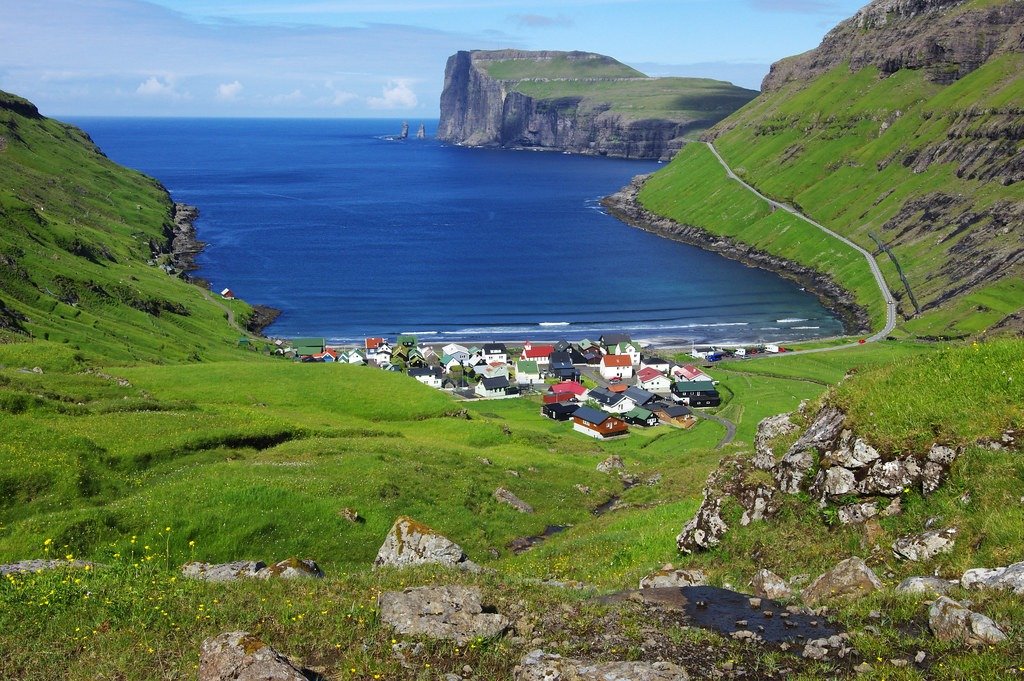
The Faroe Islands don’t make sense. Eighteen volcanic islands floating between Iceland and Norway, covered in grass so green it looks fake. Waterfalls drop straight into the ocean. Villages of 50 people cling to cliffsides. Fog rolls in like a living thing.
Why it feels cinematic: The scale is all wrong. Cliffs rise 2,000 feet from the sea. Sheep outnumber people 2-to-1. When the clouds part, the light breaks through like a Terrence Malick film. When they don’t, you’re in a Nordic noir thriller.
Best time to visit: June to August for hiking and midnight sun. But September brings dramatic storms and fewer tourists. That’s when it really earns the movie comparison.
Why most people miss it: It’s expensive, remote, and weather-dependent. Flights route through Copenhagen or Reykjavik. There’s no easy way in. That’s exactly why it works.
Perfect for: Solo travelers who want silence. Photographers chasing moody landscapes. Anyone tired of crowds.
Wadi Rum, Jordan – Lawrence of Arabia Still Lives Here
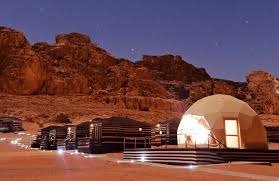
Stand in the middle of Wadi Rum at sunrise and tell me you’re not on Mars. Red sand stretches to infinity. Rock formations tower 1,700 meters overhead, carved by wind into something ancient and alien.
Bedouins still live here in black goat-hair tents. They’ll make you tea over a fire and tell stories their grandfathers told. At night, the stars hit different—no light pollution, just the Milky Way painted across the entire sky.
Why it feels cinematic: Because it literally is. Lawrence of Arabia, The Martian, Dune, Rogue One—Hollywood keeps coming back. The desert has this way of making everything feel epic and small at the same time.
Best time to visit: March to May, September to November. Summer heat exceeds 40°C. Winter nights drop below freezing.
Why most people miss it: They rush through Jordan hitting Petra and the Dead Sea. Wadi Rum requires an overnight stay to understand it. Most tourists don’t slow down enough.
Perfect for: Adventure travelers. Anyone who needs perspective. Men who want to feel small in the best way.
Salar de Uyuni, Bolivia – The Mirror at the End of the World
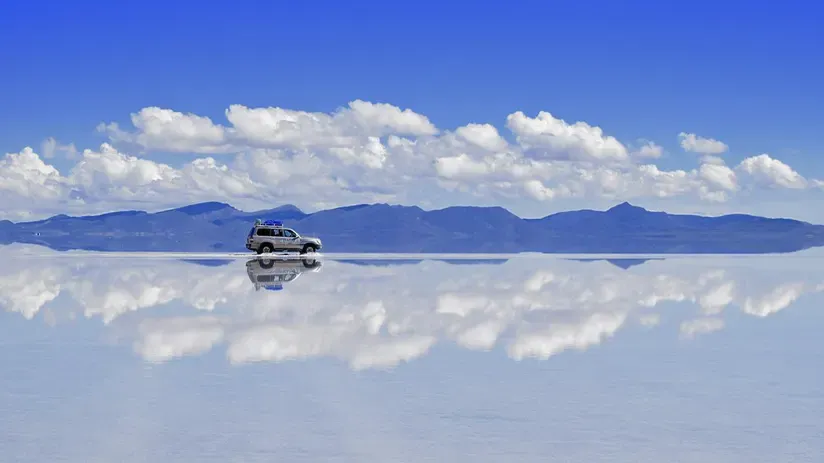
The world’s largest salt flat becomes a perfect mirror during rainy season. Sky and ground merge into one infinite plane. You lose all sense of depth, direction, time.
At 3,656 meters altitude, your lungs work harder. The air is thinner. Everything feels more intense. When the sun sets, the whole landscape turns pink, then purple, then black. Then the stars arrive like you’ve never seen them.
Why it feels cinematic: It doesn’t look real. It looks like someone built a set to break your brain. Photos don’t capture it—you have to stand there and let it wash over you.
Best time to visit: December to April for the mirror effect. Dry season (May to October) reveals geometric salt patterns and is easier to traverse.
Why most people miss it: Getting there is brutal. Flights to Uyuni are unreliable. Tours leave from rough mountain towns. It’s cold, high-altitude, and uncomfortable. The reward is worth every minute.
Perfect for: Bucket list travelers. Photography obsessives. Anyone chasing that one shot that changes everything.
Bagan, Myanmar – Where 2,000 Temples Watch the Sunrise
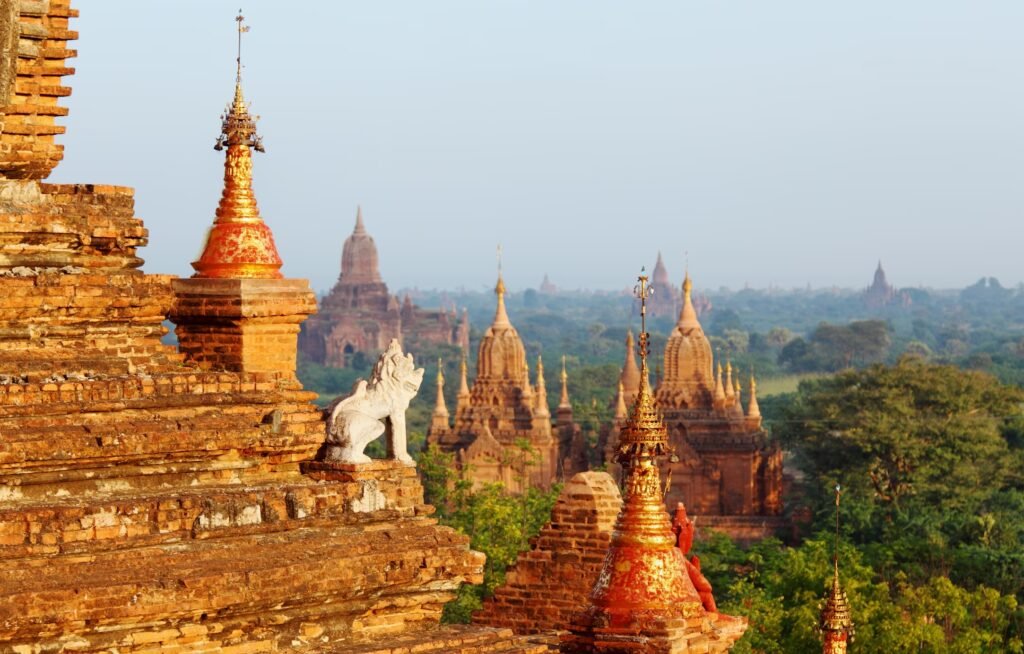
Picture this: 2,000 Buddhist temples scattered across 26 square miles of plains. Some are massive, some are crumbling. All of them are ancient. Rent an e-bike at dawn, find a temple with stairs, climb to the top, and watch the sun break over a kingdom frozen in time.
Hot air balloons drift overhead. Mist clings to the ground. The light turns everything golden. For about 20 minutes, you’re in every epic adventure film ever made.
Why it feels cinematic: The scale and silence. Temples everywhere you look, most of them empty. You can explore freely, climb freely, get lost freely. No ropes, no guards, no gift shops.
Best time to visit: November to February. Dry, cool, perfect visibility. March to May gets brutally hot.
Why most people miss it: Myanmar tourism dropped after political instability. That means fewer crowds but requires more planning and awareness of current conditions.
Perfect for: History buffs. Sunrise chasers. Travelers who want major sites without major crowds.
Lofoten Islands, Norway – Above the Arctic Circle, Below Reality
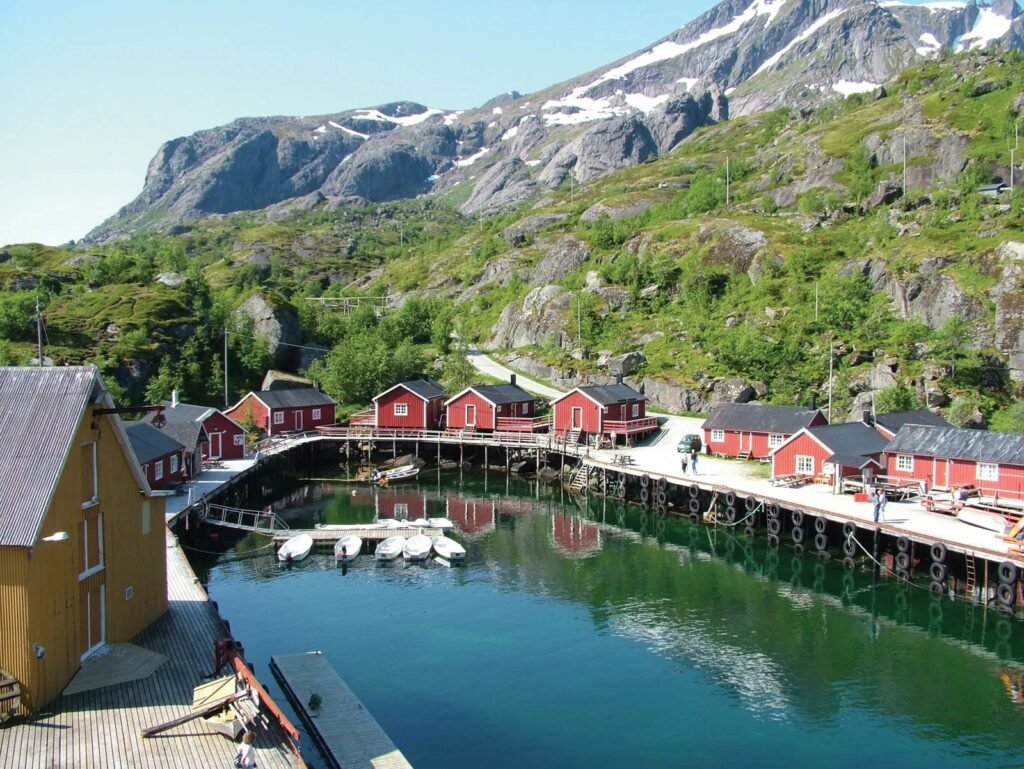
Mountains explode from the sea at impossible angles. Fishing villages glow red and yellow against steel-blue water. The Midnight Sun hangs in the summer sky. The Northern Lights dance in winter darkness.
Lofoten doesn’t care about your plans. Weather changes in minutes. Roads wind through tunnels carved through mountains. You’ll pull over every five minutes because the view demands it.
Why it feels cinematic: Drama at every turn. The light never feels normal—too golden, too blue, too perfect. Every photo looks like a desktop wallpaper. Except you’re standing in it.
Best time to visit: June to August for endless daylight and hiking. September to March for Northern Lights and brutal beauty.
Why most people miss it: It’s far. Really far. Above the Arctic Circle far. It’s expensive, weather-dependent, and requires serious planning.
Perfect for: Road trip lovers. Aurora hunters. Men who need to reset their internal compass.
Cappadocia, Turkey – Where Stone Age Meets Space Age
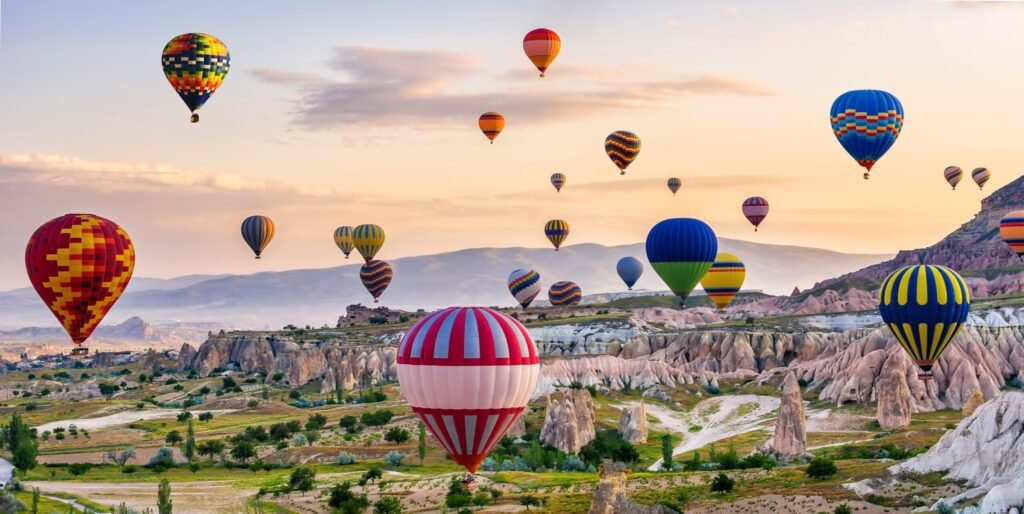
Fairy chimneys—rock formations carved by volcanic eruptions and erosion—create a landscape that looks computer-generated. Underground cities go 8 levels deep. Cave hotels carved into rock face. And every morning, 100+ hot air balloons lift off at sunrise.
You can wake up in a cave suite, step outside, and watch balloons drift over valleys that humans have inhabited for 3,000 years. It’s surreal in the most literal sense.
Why it feels cinematic: The textures, the colors, the shapes. Nothing looks like it should exist. Add balloons floating overhead and you’re in a Wes Anderson film set in Middle-earth.
Best time to visit: April to May, September to October. Summer crowds are intense. Winter is cold but magical with snow on the fairy chimneys.
Why most people miss it: They hit Istanbul and the coast but skip central Anatolia. Cappadocia requires a domestic flight or long bus ride. Effort equals reward.
Perfect for: Photographers. History nerds. Anyone who wants luxury mixed with ancient wonder.
Zhangjiajie National Forest Park, China – Avatar Was Just Copying
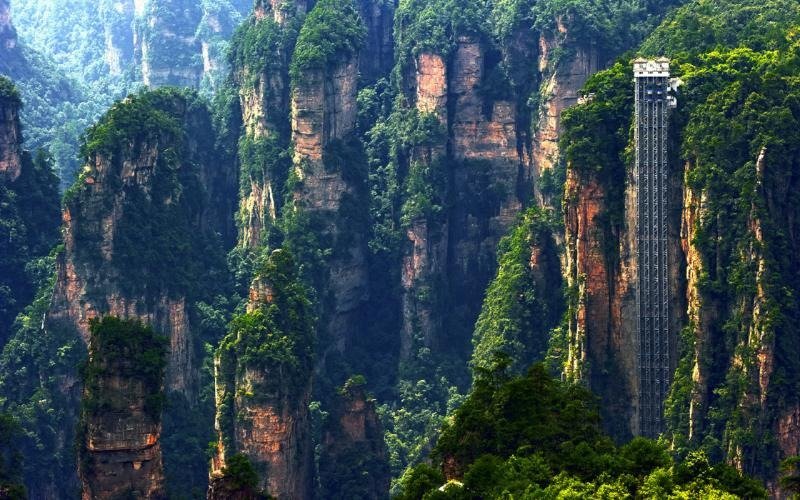
The floating mountains in Avatar weren’t made up. James Cameron copied Zhangjiajie’s towering sandstone pillars that rise 200 meters from the forest floor. Mist weaves through them. Cable cars glide between peaks. The glass bridge (the world’s longest) stretches 430 meters across a canyon.
It’s beautiful and slightly terrifying. Nature shouldn’t stack rocks like this. But here we are.
Why it feels cinematic: Vertical drama everywhere. Ancient pine trees cling to impossible cliffsides. When fog rolls in, pillars appear and disappear like ghosts. It feels mythical because it basically is.
Best time to visit: April, May, September, October. Avoid Chinese national holidays unless you enjoy crowds of 100,000+.
Why most people miss it: It’s deep in Hunan Province. Most international travelers stick to Beijing, Shanghai, Xian. Getting here takes effort but not expense.
Perfect for: Hikers. Film buffs. Anyone who wants natural wonder without leaving Asia.
Namib Desert, Namibia – Dunes That Defy Physics
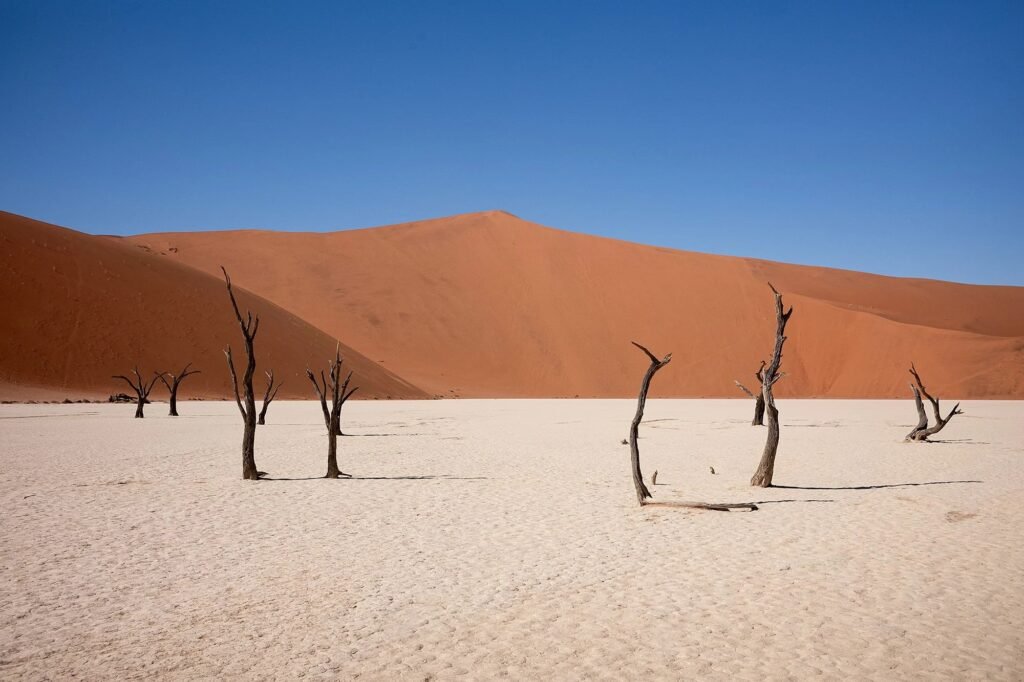
The dunes at Sossusvlei are the tallest in the world. Some reach 380 meters. The sand is red-orange from iron oxide. The sky is the deepest blue you’ll ever see. The contrast is violent and beautiful.
Dead Vlei takes it further—a white clay pan dotted with dead camelthorn trees, some 900 years old. Black skeletons against white clay against red dunes against blue sky. Four colors. Total silence.
Why it feels cinematic: It’s compositional perfection. Every angle works. Sunrise and sunset hit the dunes with light that makes grown men cry. It’s alien and ancient at once.
Best time to visit: May to October. Southern hemisphere winter. Cool mornings, warm days, clear skies.
Why most people miss it: Namibia isn’t on most radars. It requires planning—4×4 rentals, long drives, camping. But Africa rewards the prepared.
Perfect for: Adventure travelers. Photographers chasing impossible light. Men who want solitude measured in square kilometers.
Meteora, Greece – Monasteries Floating in the Sky
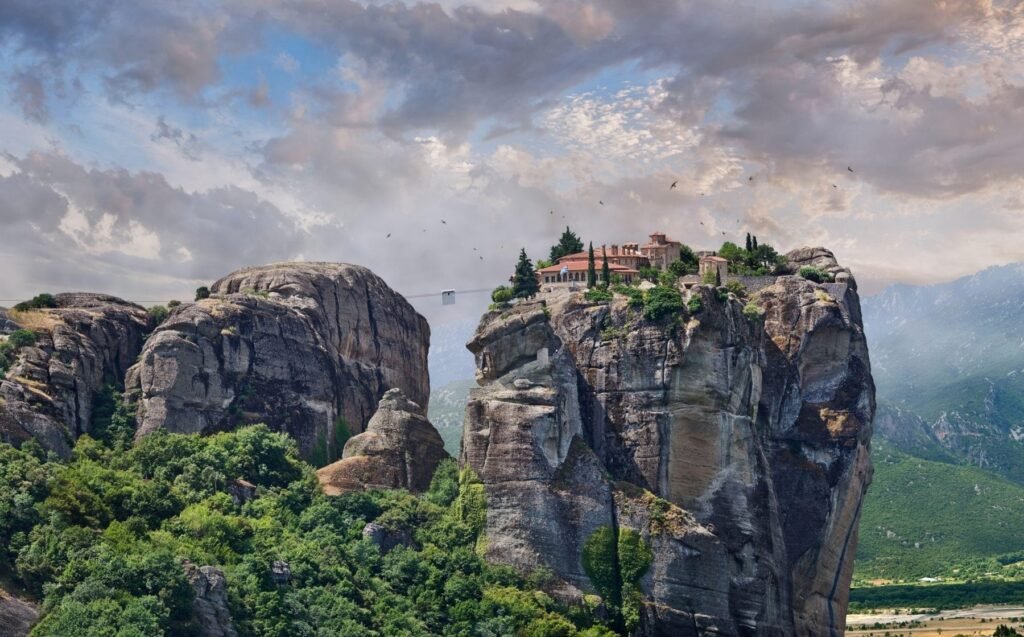
Six monasteries sit atop rock pillars that rise 400 meters from the valley floor. Monks built them in the 14th century using baskets and pulleys. They’re still active. You can visit, but you have to climb.
The rocks themselves—formed 60 million years ago—look like they belong on another planet. Add Byzantine architecture balanced on top, and you’ve got something out of a fantasy novel.
Why it feels cinematic: The absurdity of it. The scale. The fact that humans looked at these impossible rocks and thought, “Let’s build monasteries up there.” It’s ambitious and beautiful and slightly insane.
Best time to visit: April to May, September to October. Summer heat and crowds. Winter can close some monasteries due to snow.
Why most people miss it: They stay in Athens or the islands. Meteora is in central Greece, 4 hours by train from Athens. Worth every second.
Perfect for: History and architecture lovers. Hikers. Anyone who appreciates human ambition meeting natural beauty.
Plitvice Lakes, Croatia – Where Water Rewrites the Rules
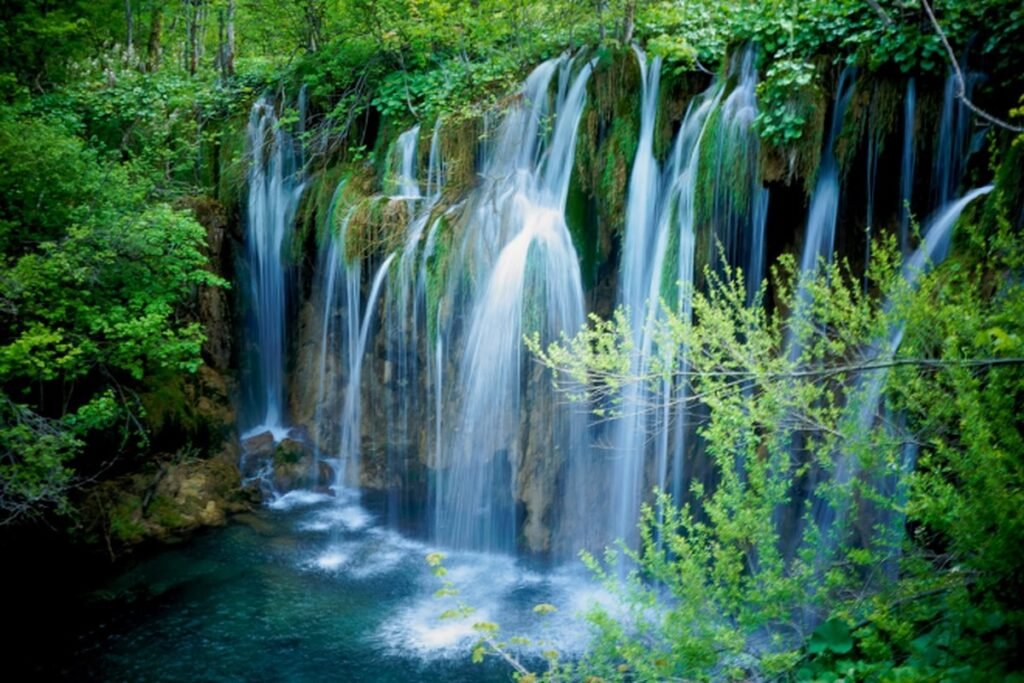
Sixteen terraced lakes connected by waterfalls. Water so clear it looks fake. Wooden walkways thread through the whole system. Colors shift from emerald to turquoise to deep blue depending on minerals and sunlight.
It’s organized chaos—water flowing everywhere, crashing, cascading, pooling. Fish swim in water so clear they look suspended in air. The sound is constant, meditative, hypnotic.
Why it feels cinematic: The colors and movement. It’s alive in a way that feels choreographed. Every turn reveals another waterfall, another impossible blue pool. Nature showing off.
Best time to visit: May to June, September. Summer crowds ruin the tranquility. Spring brings maximum water flow.
Why most people miss it: Croatia tourism focuses on Dubrovnik and the Dalmatian Coast. Plitvice is inland, requires a rental car or tour. But it’s one of Europe’s best-kept secrets.
Perfect for: Nature lovers. Anyone who needs a mental reset. Travelers who want beauty without flying to Southeast Asia.
Patagonia, Argentina/Chile – The End of the World Still Untouched
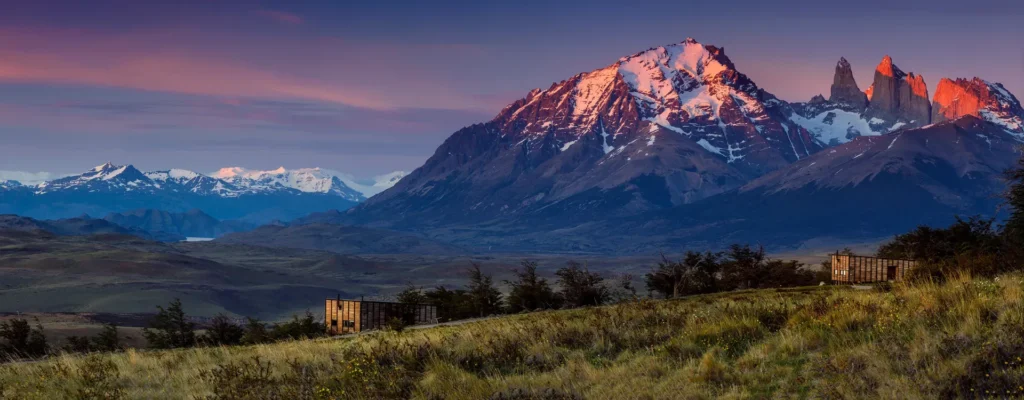
Patagonia doesn’t mess around. Glaciers the size of cities. Mountains that pierce clouds. Winds that knock you sideways. Condors circling overhead with 3-meter wingspans.
Perito Moreno Glacier is still growing while most glaciers retreat. Torres del Paine offers some of Earth’s best trekking—granite towers, blue lakes, guanaco herds. Everything feels raw and unfinished, like creation is still happening.
Why it feels cinematic: The emptiness and power. You feel insignificant in the best way. The landscape is so dramatic it borders on aggressive. Films use it when they need to show “the wild” in its purest form.
Best time to visit: November to March (summer). Winter closes most trails and services.
Why most people miss it: Distance, cost, logistics. Getting there requires commitment—long flights, expensive gear, physical fitness. But that’s the filter that keeps it real.
Perfect for: Serious hikers. Photographers. Men who need to remember what wild actually means.
Hallstatt, Austria – The Village Too Beautiful to Be Real
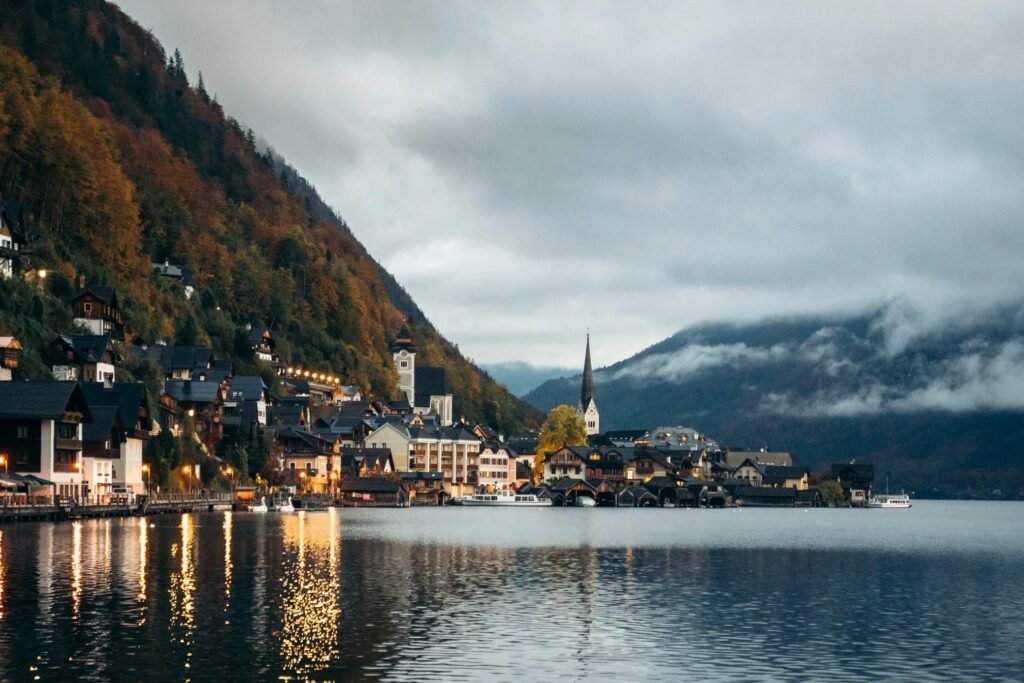
A tiny lakeside village wedged between mountains and water. Pastel houses cascade down the hillside. Church spires reflect in the lake. Swans glide past. It looks like Disney built it.
Except it’s real. And it’s been here since 800 BC when salt mining made it wealthy. Walk the narrow streets, hike to viewpoints, take the cable car to the salt mines. It’s postcard Austria without trying.
Why it feels cinematic: The perfection. Every angle looks composed. Morning mist on the lake. Sunset on the mountains. It’s almost too much beauty in too small a space.
Best time to visit: May to September. Winter is magical but cold. Summer brings cruise ship day-trippers—arrive early or stay overnight.
Why most people miss it: Actually, they don’t anymore. Hallstatt went viral. It’s incredibly popular now. But early mornings and off-season still offer magic.
Perfect for: Photographers. Couples. Anyone who wants European charm concentrated into one village.
Raja Ampat, Indonesia – Underwater Paradise Above Sea Level
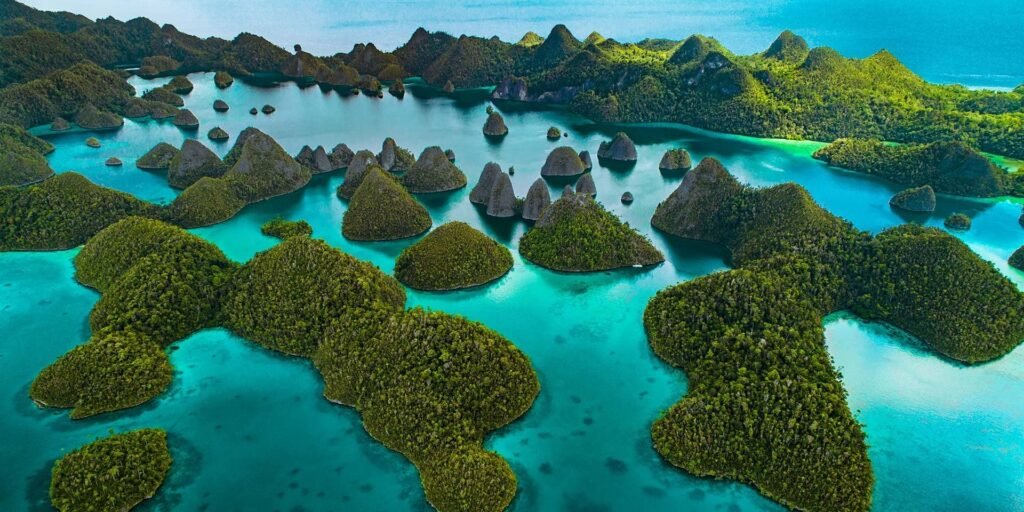
1,500 islands scattered across turquoise water. Limestone karsts rising from the sea. Coral reefs that make divers weep. But even if you don’t dive, the overwater scenery is unreal.
Stay in a bungalow on stilts. Wake up to this view. Kayak between islands. Watch the sunset paint everything gold. The diving might be world-class, but the surface world competes.
Why it feels cinematic: The water clarity and colors. Islands arranged like a photographer staged them. It’s remote luxury—no roads, no cars, just boats and beauty.
Best time to visit: October to April. Dry season, calm seas, best visibility.
Why most people miss it: It’s far. Really far. Eastern Indonesia, multiple flights from Jakarta, then boats. Expensive. Requires planning. That keeps crowds manageable.
Perfect for: Divers. Island-hoppers. Men seeking tropical paradise without the crowds of Thailand or Bali.
Antelope Canyon, USA – Light Carved Into Stone
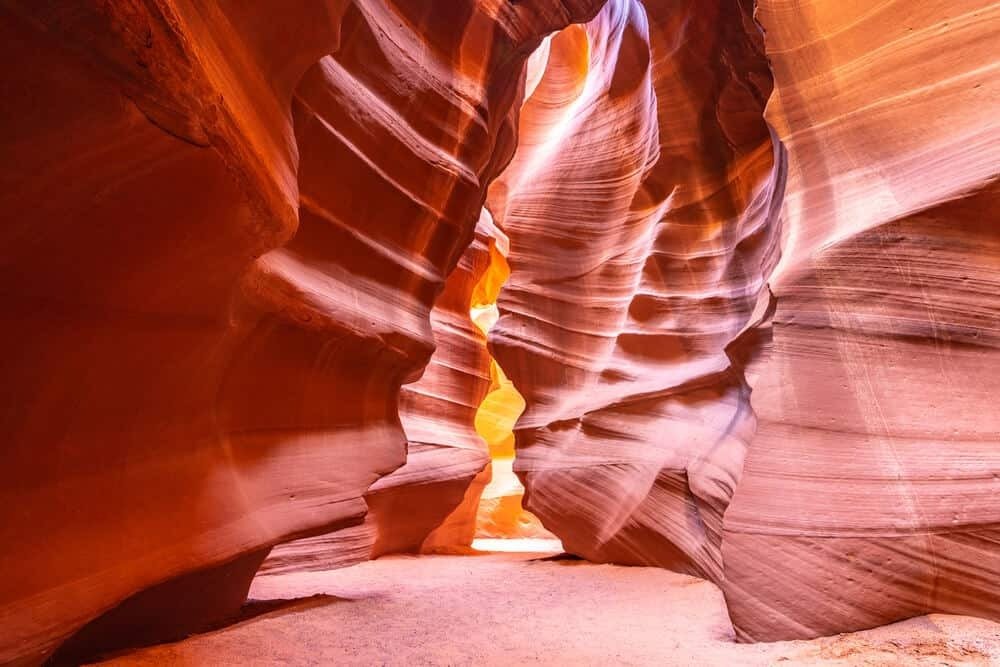
Slot canyons in Arizona where light beams pierce through narrow openings and illuminate swirling sandstone walls. It’s a photographer’s fever dream—curves, colors, and light that seems impossible.
You walk through passages so narrow you can touch both walls. Look up and see sky. The Navajo guide your tour because it’s on their land and their ancestors’ stories live here.
Why it feels cinematic: The light shows. They happen at specific times when sun angle and canyon alignment create beams that look painted. It’s natural and supernatural at once.
Best time to visit: March to October for light beams. Summer (June to August) offers best beams but highest crowds and prices.
Why most people miss it: Permits required. Tours only. Expensive. Flash floods close it unpredictably. But if you time it right, it’s unforgettable.
Perfect for: Photographers. Anyone in the Southwest US. Travelers who appreciate sacred places.
Why These Places Feel Different
Tourist traps optimize for volume. They’re designed, managed, packaged for mass consumption. These destinations don’t care about your convenience.
They demand something from you—effort, time, patience, respect. In return, they give you something you can’t find in Barcelona or Cancun: authenticity.
The silence in Wadi Rum. The scale in Patagonia. The light in Antelope Canyon. These aren’t manufactured experiences. They’re real, raw, and unfiltered.
That’s what makes them feel like movie scenes. They haven’t been reduced to their Instagram-friendly moments. They’re still whole, still wild, still capable of surprising you.
Travel Tips for Dream Destinations
Budget Smart Without Sacrificing Experience
- Shoulder season is your friend. May and September offer better weather than you’d think and half the crowds.
- Book flights 6-8 weeks out for international trips. Use Google Flights price tracking.
- Local guides cost less and know more than big tour companies. Research on TripAdvisor and travel forums.
- Countries like Bolivia, Jordan, and Turkey offer exceptional value compared to Western Europe.
Safety and Planning Tips
- Check government travel advisories but don’t let them paralyze you. Use common sense.
- Download offline maps. Google Maps works offline if you download the region beforehand.
- Travel insurance for remote destinations isn’t optional. World Nomads and SafetyWing are solid options.
- Learn 10 basic phrases in the local language. It changes how people treat you.
How to Avoid Crowds
- Wake up early. Sunrise is when these places reveal themselves. Most tourists sleep in.
- Stay overnight near major sites. Day-trippers leave by 4 PM. You get magic hour and sunset.
- Visit in off-season. Yes, weather might be unpredictable. But you’ll have places to yourself.
- Weekdays beat weekends everywhere. If you can swing it, avoid Friday-Sunday travel.
Frequently Asked Questions
Are these destinations safe for solo travelers?
Yes, with normal precautions. Places like the Faroe Islands, Norway, and Austria are exceptionally safe. Jordan and Turkey require more awareness but are well-traveled solo destinations. Bolivia and Myanmar need research on current conditions. Use common sense, stay aware, trust your instincts.
Which destinations are budget-friendly?
Most affordable: Bolivia, Jordan, Turkey, Myanmar, and parts of Patagonia (camping). Mid-range: Croatia, Greece, Namibia. Expensive: Faroe Islands, Norway, Raja Ampat. Budget is about choices—you can do expensive destinations cheaply with camping, local food, and self-guided travel.
When is the best time to visit these places?
It varies by destination, but generally April-May and September-October are ideal for most locations. You get good weather, fewer crowds, and better prices. Summer (June-August) works for Nordic regions. Winter (December-February) is perfect for Namibia and Southern Hemisphere spots.
Do I need special permits or guides?
Permits required: Antelope Canyon (guided tours only), Bagan (entrance fee), Zhangjiajie (park entrance). Guides recommended: Wadi Rum (for overnight desert camps), Raja Ampat (for island navigation), Patagonia (for serious treks). Totally independent: Faroe Islands, Lofoten, Croatia, Austria, Cappadocia.
How much time should I spend in each destination?
Minimum: 2-3 days to appreciate any of these properly. Ideal: 4-7 days to explore without rushing. Extended: Places like Patagonia, Namibia, and Lofoten reward 10-14 days. Don’t try to squeeze these into a 36-hour layover. They deserve your time.
Can I visit multiple destinations in one trip?
Some clusters work well: Jordan + Turkey (short flight). Namibia + add South Africa (if you’re flying that far). Croatia + Greece (ferry connections). Faroe Islands + Iceland (same flight path). Myanmar + nearby Southeast Asia. But honestly? Pick one or two and do them right rather than rushing five.
The Places That Change How You See Everything
Here’s what I’ve learned from chasing dream destinations that feel like a movie scene across the planet:
The magic isn’t in the place itself. It’s in what happens to you when you’re there.
Standing in Wadi Rum at midnight, stars overhead, sand beneath your feet—you realize how small your problems are. Watching sunrise over Bagan’s temples, you understand why people built things meant to last centuries. Hiking through Patagonia’s wind, you remember you’re tougher than you thought.
These places don’t exist to be photographed and forgotten. They exist to remind you that the world is bigger, stranger, and more beautiful than the version you see from your office window.
Most men spend their whole lives within 100 miles of where they were born. They talk about traveling “someday” while watching documentaries about places they’ll never visit.
Don’t be that guy.
Book the flight. Take the trip. Chase the destinations that make your hands shake when you research them. The ones that seem too far, too expensive, too difficult.
Because here’s the truth: nowhere is too far when you’re already dying to go.
Save this list. Start planning. Pick one destination and commit. Then another. Then another.
The movie-scene places are waiting. They’ve been there for millions of years. They’ll still be there when you’re ready.
The question is: when will you be ready?