2026 Men’s Style Trends You Should Actually Try
For a few years there, the dominant mood in men’s fashion was “just wear what fits and stop overthinking it.” Quiet luxury. Normcore. The rise of the capsule wardrobe. The general vibe was: trends are for people who don’t know who they are yet.
That energy hasn’t disappeared entirely — but something shifted heading into 2026. The men who are dressing well aren’t ignoring trends anymore. They’re just filtering them. Picking up what makes sense for their wardrobe, leaving behind what doesn’t, and wearing things with enough conviction that it all looks intentional.
That’s exactly what this guide is designed to help you do. Not a list of things you have to wear this year. Not a runway report translated into unreadable fashion jargon.
Just an honest, practical breakdown of the men’s style trends worth paying attention to in 2026 — what they look like in real life, how to actually wear them, and which ones are worth a long-term investment versus a seasonal experiment.
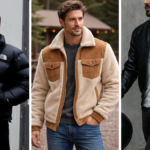
Some of these you’ll love immediately. Others might take a second look. All of them are more wearable than you might expect.
Quick Notes Before We Start
A few things worth saying upfront, because they’ll help you read the rest of this guide correctly:
Not every trend is for every man. That’s not a disclaimer — it’s the point. The goal here is to give you enough context to decide which trends map onto your existing wardrobe and lifestyle, not to pressure you into wearing something that doesn’t fit your world.
Price is not the barrier. Most of these trends can be executed at any budget. A few pointers to accessible entry points are scattered throughout.
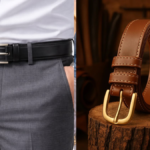
The best version of any trend is a slightly understated one. Full trend adoption — head to toe, maximum saturation — rarely looks as good as taking one or two elements and integrating them into an outfit that’s mostly already you.
With that said — let’s get into it.
1. Relaxed Tailoring Goes Mainstream
If you’ve been watching men’s fashion for the last couple of years, you’ve seen relaxed tailoring building quietly in the background. In 2026, it’s moved firmly into the mainstream — and the good news is it’s one of the most genuinely wearable shifts in menswear in a long time.
Relaxed tailoring means suits and separates that are cut with significantly more ease through the body and leg than traditional tailoring. Think wide-leg trousers with a single pleat, slouchy unstructured blazers, and suit jackets that drape rather than hug. It’s not baggy — it’s deliberately generous. There’s a difference.
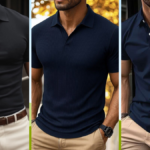
What it looks like in practice: An unstructured blazer in oatmeal or sand worn over a plain white tee, wide-leg trousers in the same or complementary tone, and clean leather loafers. No tie, no pocket square, no formality signals. Just soft, considered tailoring.
Why it works: Relaxed tailoring flatters a wider range of body types than slim-cut suiting, it’s genuinely comfortable, and it looks contemporary without being aggressively fashion-forward. A man wearing it well in 2026 looks relevant and at ease simultaneously.
How to try it: Start with a single relaxed-cut trouser in a neutral — grey, beige, or camel — and pair it with things you already own. A plain tee, a crewneck, a fitted shirt. You don’t need the full suit to test whether this direction works for you.
Investment or experiment? Investment. Relaxed silhouettes are not a flash-in-the-pan trend. The direction of tailoring has been moving this way for several years and shows no sign of reversing.
2. Utility and Technical Fabrics, But Make It Stylish
There’s been a long-running tension in men’s fashion between practicality and aesthetics. In 2026, that tension is largely resolved — and utility wins, on style’s terms.
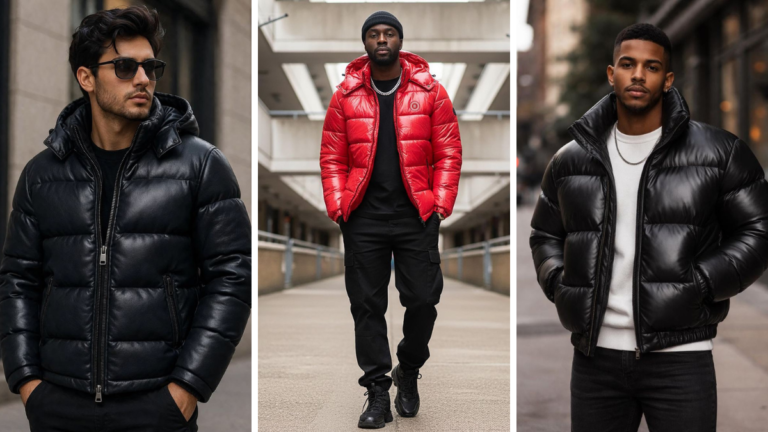
Technical outerwear, ripstop nylon trousers, weatherproof overshirts, and functional multi-pocket pieces are appearing everywhere from high fashion to the high street. But the way they’re being worn has changed. These aren’t outdoor gear pieces worn for outdoor activities. They’re incorporated into considered, stylish everyday outfits — layered under tailored coats, worn alongside merino knits, paired with clean leather footwear.
What it looks like in practice: A ripstop nylon cargo trouser in olive or black, a fitted merino crewneck, and clean white sneakers with a structured tote. Or a technical overshirt in slate grey over a plain white tee and slim chinos. Functional pieces worn with the same deliberateness as their more traditional equivalents.
The key distinction here: Utility dressing in 2026 looks intentional, not accidental. The man who pulls it off isn’t wearing his hiking gear into the office. He’s chosen technical fabrics because they perform better and fit the current aesthetic — not because he couldn’t think of anything else to wear.
How to try it: A technical overshirt or a pair of ripstop cargo trousers is a lower-commitment entry point than outerwear. Both work over or under pieces you probably already own.
Investment or experiment? A bit of both. The core functional pieces — a quality technical jacket, a versatile overshirt — are worth buying well and keeping long-term. The more fashion-forward interpretations are better treated as seasonal additions.
3. The Return of Colour (But Quieter Than You’d Think)
Here’s the honest version of the colour trend in 2026: it’s not the explosion of neon and clashing brights that some fashion coverage might suggest. It’s more interesting than that, and more wearable.
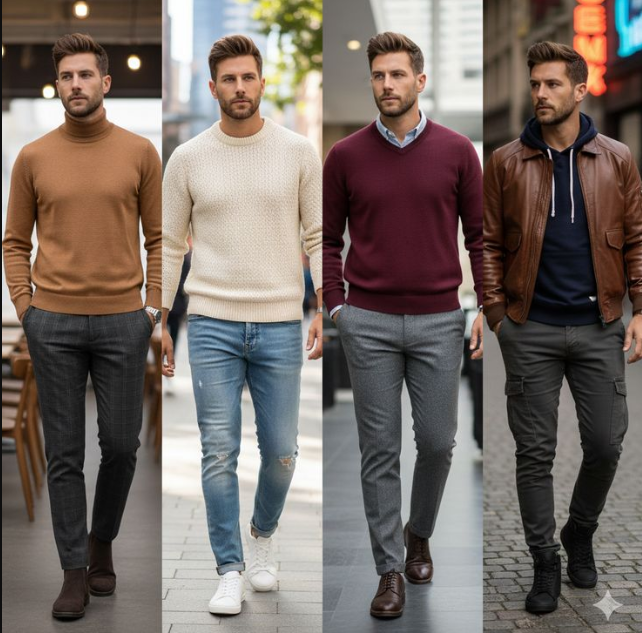
What’s actually happening is a move away from the grey-and-black neutrals that dominated quiet luxury dressing, toward richer, warmer tones with real depth. Think clay, warm terracotta, chocolate brown, deep olive, dusty rose, and a shade of cobalt blue that sits somewhere between classic and contemporary. These are colours that feel current without screaming for attention.
The way they’re being worn is important too. Not head-to-toe colour. Not colour-blocking in obvious combinations. More often it’s a single warm-toned piece — a terracotta overshirt, a clay crewneck, a rust suede jacket — introduced into an otherwise neutral outfit. The colour earns its place by being interesting rather than loud.
What it looks like in practice: Chocolate brown wide-leg trousers with a cream or off-white shirt and tan loafers. A dusty rose crewneck over slim grey chinos with white sneakers. A cobalt blue overshirt over a navy tee with dark denim and boots.
The honest take: If you’ve been living in grey and navy for years, introducing one warm-toned piece per outfit is the single most impactful thing you can do to update your look in 2026 without changing your entire wardrobe.
How to try it: Buy one piece in a rich, warm neutral — a clay or terracotta crewneck is the easiest starting point. Wear it with everything you already own in grey, navy, black, and white. The warm tone does the work.
Investment or experiment? A warm neutral — clay, terracotta, chocolate brown — is worth investing in because it sits close enough to traditional neutrals to stay wearable across seasons. Anything closer to a trend colour (lime green, electric blue) is better treated as an experiment.
4. Chunky, Interesting Footwear
The footwear story in 2026 is about presence. Shoes and boots that have visual weight, interesting construction, and a clear point of view. This has been building for a while — the chunky sneaker trend planted the seed a few years ago — but in 2026 it’s expanded well beyond athletic footwear into dress shoes, boots, and loafers.
Specifically: lug-sole loafers, platform Chelsea boots, trail-inspired sneakers with aggressive outsoles, and work boots with pronounced stitching and hardware. These aren’t delicate shoes. They command attention and anchor an outfit from the ground up.
What it looks like in practice: A lug-sole loafer in black or chocolate brown with slim tailored trousers and a merino crewneck. A platform Chelsea boot under straight-leg jeans and a structured jacket. Trail sneakers with slim cargo trousers and a minimal tee.
Why it’s worth paying attention to: Footwear is the single highest-leverage style variable in a casual outfit. Swapping your standard Chelsea boot for a lug-sole version, or your standard trainer for a trail-inspired alternative, changes the register and modernity of an entire outfit for the price of one purchase.
How to try it: A lug-sole loafer is the most wearable entry point — it replaces a standard loafer in existing outfit formulas but adds immediate contemporary relevance. Black is the most versatile starting colour.
Investment or experiment? Invest in one pair that replaces something you already wear. Don’t buy four pairs of interesting footwear at once — the novelty wears off faster than the shoes.
5. Workwear Heritage — But Lived-In
This one might surprise you because workwear-inspired dressing isn’t new. Chore coats, work boots, raw denim, flannel shirts — these have been recurring in menswear for over a decade. But what’s happening in 2026 is a specific version of workwear that feels more honest and less self-conscious than previous iterations.
The key word is lived-in. Not pristine raw denim and immaculate chore coats. Rather: well-worn denim with natural fading, workwear pieces that have developed a patina, fabrics that have been washed enough to relax into something soft. The aesthetic celebrates the way good clothing improves with age and use — which is almost the opposite of how trend dressing usually works.
What it looks like in practice: A well-washed chore coat in faded khaki over a plain tee, with naturally worn slim jeans and beat-up but clean work boots. Or a heavily washed denim overshirt, straight-leg jeans, and a pair of Clarks Desert Boots that have seen some miles. The slightly imperfect, worn-in quality is the point.
The honest take: This is one of the most genuinely accessible trends in 2026 because you don’t need to buy new things to participate in it. If you have well-loved denim, a faded flannel, or a worn-in pair of boots, you’re already there.
How to try it: Look at what you already own that has naturally aged well. A faded denim jacket, some broken-in work boots, jeans that have developed character over time. Build the outfit around the piece that looks best with some miles on it.
Investment or experiment? The pieces themselves are investments by definition — the whole point is that they’re built to last and worn for years. The trend is just catching up with good taste.
6. Elevated Basics Get Even Better
Here’s a trend that quietly validates everything you’ve been told about building a great wardrobe: in 2026, there’s a genuine premium being placed on doing the basics extraordinarily well.
The best-dressed men this year aren’t the ones with the most interesting or trend-saturated wardrobes. They’re the ones wearing a perfect white tee, impeccably fitted, in a genuinely heavy cotton, tucked into slim trousers that break exactly right, with shoes that are clean and considered. The basics are doing everything and doing it perfectly.
What’s driving this is partly a reaction to the noise and oversaturation of fast fashion trend cycles. Men who pay attention to style are increasingly investing in fewer, better things — a premium heavyweight tee that costs four times what a pack-of-five costs, a single pair of jeans from a brand that does one thing extremely well, a white Oxford shirt made from a fabric worth touching.
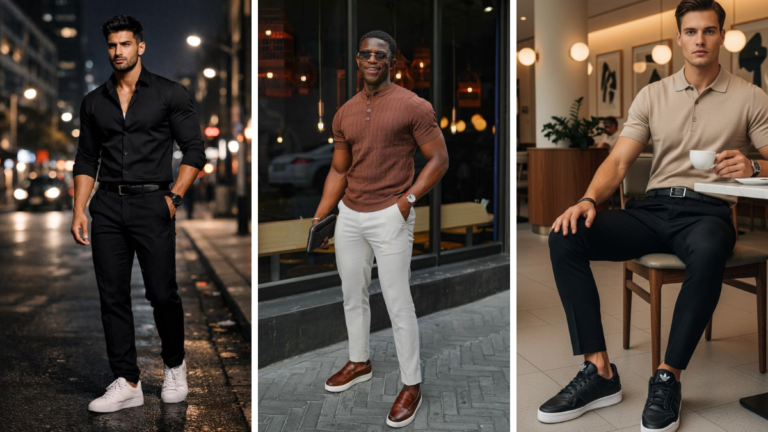
What it looks like in practice: A heavyweight 400gsm white tee, slim dark jeans with a clean hem, and white leather sneakers kept pristine. No layering, no accessories beyond a watch, no statement pieces. The basics are so well-executed that nothing else is necessary.
Why this matters: When your basics are genuinely good, every other outfit you build on top of them looks better. Elevated basics are the foundation, not the destination — but they make everything else work harder.
How to try it: Pick your most-worn basic piece — the white tee, the grey crewneck, the slim jeans — and replace your current version with the best version you can afford. Wear it the same way you always do and notice the difference.
Investment or experiment? This is the most straightforward investment of everything on this list. Quality basics never date.
7. Quiet Athleticism
You might have expected athleisure to have peaked and died by now. It hasn’t — but it has evolved into something considerably more refined. In 2026, the best athletic-influenced dressing doesn’t look like you couldn’t decide between the gym and your destination. It looks like a deliberate aesthetic choice.
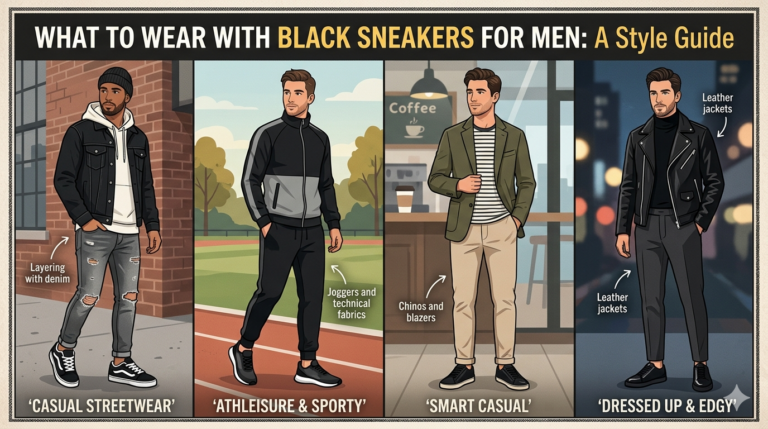
Slim technical track trousers in muted tones worn with a structured jacket and clean sneakers. A performance-fabric zip-through worn over a quality tee and chinos. Sweat shorts in heavyweight cotton paired with a smart linen shirt. The athletic element is present but it’s not the whole story — it’s a texture, a fabric, a silhouette incorporated into an otherwise considered outfit.
What it looks like in practice: Slim track trousers in slate grey with a navy unstructured blazer, a plain white tee, and clean white leather sneakers. Or performance shorts in olive with a fitted linen overshirt and leather sandals. Athletic pieces worn as if they were always meant to sit alongside tailored or considered elements.
The honest take: This works best for men who already have a slightly fashion-forward aesthetic. If your base style is more classic or heritage-influenced, quiet athleticism can feel like a stretch. That’s completely fine — it’s not a universal trend.
How to try it: A pair of slim technical trousers in a neutral colour is the easiest entry point. Wear them exactly like you’d wear slim chinos — with a shirt, a jacket, real shoes — and see if the direction feels right.
Investment or experiment? Experiment first. A single affordable piece tells you whether this direction works for your style before you commit to more.
8. The Considered Accessory Moment
Accessories have always mattered in men’s dressing — but in 2026, there’s a renewed emphasis on the single, well-chosen accessory as a finishing move rather than an afterthought. Not stacking. Not layering. One thing, chosen deliberately, worn with conviction.
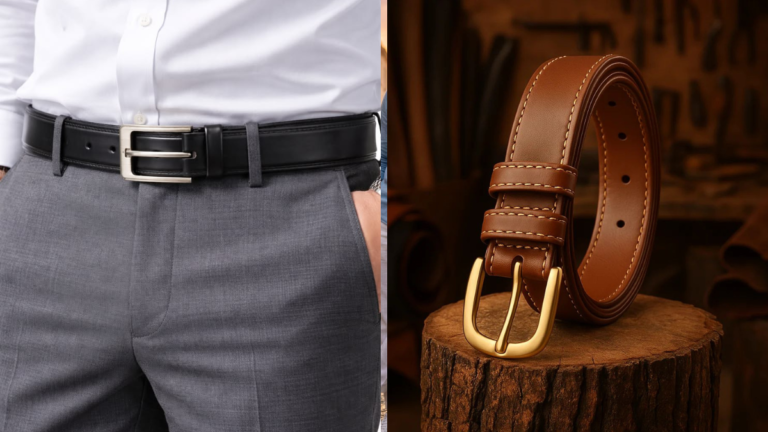
Specifically: interesting watches (not just luxury watches — interesting ones), quality leather goods (belts, wallets, bags that have real craft behind them), simple jewellery with a point of view (a single clean chain, a sculptural ring, a leather bracelet worn alone), and bags that serve a function but do it beautifully.
What it looks like in practice: An all-neutral outfit — cream tee, stone chinos, tan loafers — anchored by a single bronze-toned sculptural ring and nothing else. A clean all-black outfit with a single thick silver chain. A smart casual look where the quality of the leather bag is the only detail that makes you look twice.
The honest take: This trend is largely about editing. Most men who think they need more accessories actually need fewer, better ones. The exercise of identifying your single most-used or most-meaningful accessory and making sure it’s the best version you can afford is more valuable than buying three new things.
How to try it: Look at what you currently wear every day. If it’s a watch — is it the right one? If you carry a bag — does it reflect your style? Upgrade the thing you already reach for, rather than adding something new.
Investment or experiment? Pure investment. A single quality accessory worn daily for years returns its cost many times over.
The 2026 Trends Worth Skipping (Honest Advice)
Not every trend deserves your wardrobe space or your money. A few things circulating in 2026 fashion coverage that probably don’t need to be on your radar:
Extreme proportions for everyday wear. The silhouettes that look extraordinary on a runway or in editorial photography — very long hems, exaggerated shoulders, micro-cropped everything — don’t translate well into real life for most men. Appreciate them, but don’t necessarily dress in them.
Logo saturation. Heavy branding and visible logo dressing goes through cycles in fashion. It’s having a moment in some circles in 2026 — but it also looks dated faster than almost any other trend, and it rarely looks as good in person as it does in a campaign.
Trend-for-trend’s-sake purchases. If the only reason you’d buy something is because it’s trending, you’ll wear it a few times and stop. That’s fine occasionally. It’s an expensive habit maintained consistently.
Seasonal Breakdown: When to Wear What
Spring 2026
Relaxed tailoring in light fabrics (linen, unstructured cotton), warm neutral tones, lug-sole loafers, minimal accessories. The elevated basics principle applies particularly well — spring is when a well-fitted clean outfit does its best work.
Summer 2026
Quiet athleticism in lightweight technical fabrics, warm tones (clay, dusty rose, sage), sandals with weight and presence, linen over technical pieces. The utilitarian trend expresses itself in breathable, functional fabrics rather than heavy outerwear.
Autumn 2026
The richest season for 2026 trends. Lived-in workwear at its best — worn denim, chore coats, beaten work boots. Warm colour palette deepens (terracotta, rust, chocolate brown). Chunky footwear transitions to lug-sole boots. Relaxed tailoring in heavier fabrics.
Winter 2026
Technical outerwear earns its place — weatherproof, technical fabrics worn with considered, warm base layers. Single quality accessories stand out most against winter layers. Elevated basics in heavyweight materials (thick wool, brushed cotton, heavyweight fleece).
Frequently Asked Questions
Q: Do men’s fashion trends actually matter if you already have a solid wardrobe? Honestly? Less than fashion media suggests. If you have a wardrobe of well-fitted, quality basics in versatile colours, you already look good and you don’t need trends to tell you what to buy next. Where trends are useful is as a calibration tool — a way of noticing which direction menswear is moving and deciding whether any of that movement makes sense for you. Think of them as suggestions, not instructions.
Q: How do you follow trends without looking like you’re trying too hard? One trend element per outfit, maximum. If you’re wearing relaxed tailored trousers, the rest of the outfit should be quiet. If your footwear is interesting and chunky, keep everything above the ankle simple. The mistake is stacking trends — wearing the wide-leg trousers, the technical overshirt, the lug-sole boot, and the sculptural ring all at once. Choose one direction per outfit and commit to it.
Q: Are 2026 men’s fashion trends wearable for older men? Most of them, yes. Relaxed tailoring actually tends to look better on men over 35 — the softer silhouette is flattering across body types and feels more natural than slim suiting. Elevated basics, workwear heritage, and the considered accessory moment are genuinely age-neutral directions. The trends to approach more carefully are the ones with more extreme proportions or explicit streetwear coding — these have a narrower age window where they feel natural rather than forced.
Q: What’s the single most impactful change a man can make to his style in 2026? Upgrade your basics. A genuinely great white tee, properly fitted slim jeans, and clean quality footwear — updated to current, intentional versions — will do more for how you look than any trend piece. It sounds boring. It isn’t. The difference between a bad white tee and a great one, worn the same way, is significant.
Q: How do I shop for trends on a budget? Be selective. Pick the one or two trends that genuinely resonate with your existing style and find one entry-level piece in each. High-street brands execute trend-adjacent pieces well and inexpensively. Thrift stores are excellent for lived-in workwear pieces and quality basics. The goal isn’t to dress in head-to-toe designer interpretations of each trend — it’s to introduce the right element in the right place at the right price.
Where to Take Your Style in 2026
The overarching theme running through men’s style in 2026 is a kind of confident simplicity. Not the rigidity of “quiet luxury,” not the noisiness of maximalist trend dressing — something in between. Men who look good this year are wearing things that feel right for them, in proportions that work, in quality that holds up, with an ease that suggests they’ve made peace with who they are sartorially.
The trends outlined in this guide all point in that direction: relaxed but considered tailoring, workwear that’s been truly lived in, basics executed at the highest level, accessories chosen one at a time and worn with conviction.
None of it requires a wardrobe overhaul. Most of it requires paying better attention to what you already have and making a few deliberate upgrades in the right places.
That’s the 2026 brief. Dress like yourself — but a slightly better-considered version of it.
Read also: