
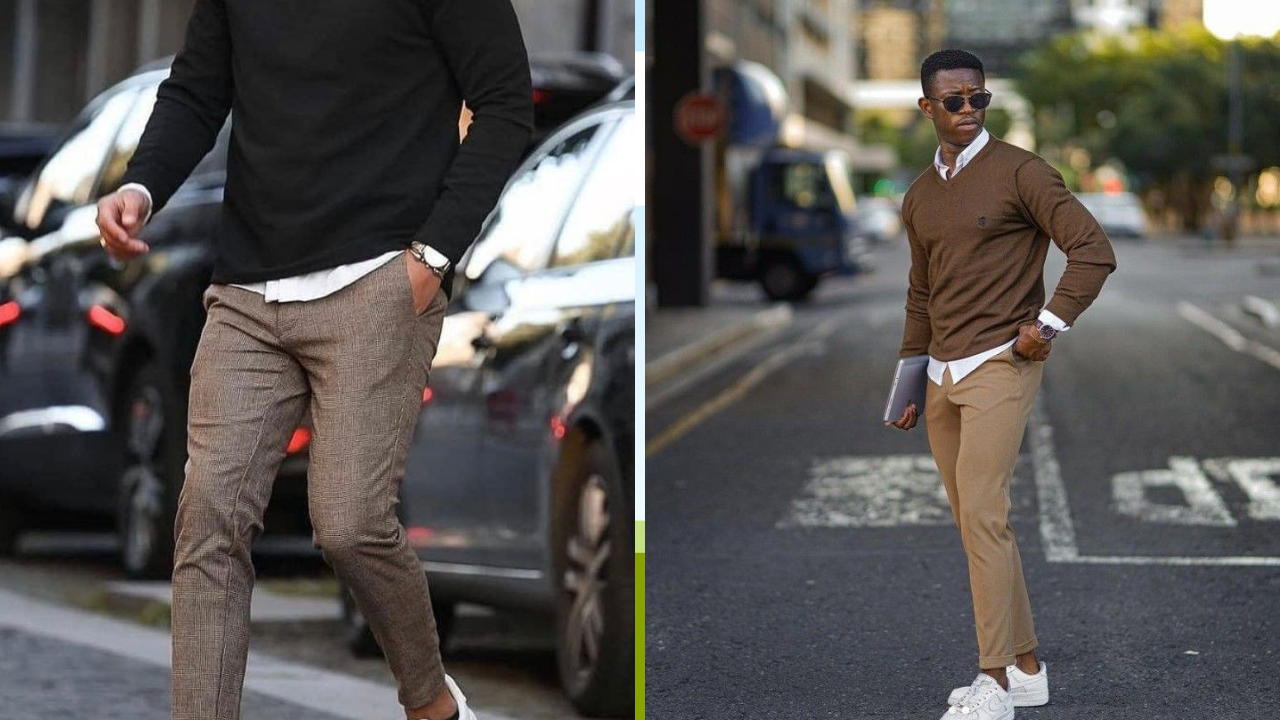
Starting your style journey can feel overwhelming when you’re surrounded by conflicting advice, endless options, and fashion terminology that sounds like a foreign language.
Understanding men’s fashion basics every beginner should know simplifies everything by focusing on fundamental principles that actually matter, eliminating the noise and confusion.
You don’t need to become a fashion expert or memorize complex rules. You simply need to grasp a handful of core concepts that form the foundation of dressing well.
This comprehensive beginner’s guide breaks down everything from building your first wardrobe to understanding fit, choosing colors, and developing your personal style—all in clear, actionable terms that make sense from day one.
Understanding Fashion Fundamentals
What “Dressing Well” Actually Means
Good style isn’t about following trends or wearing expensive brands.
It’s about looking intentional, appropriate, and comfortable in your own skin.
Core principles of dressing well:
- Clothes that fit your body properly
- Clean, well-maintained appearance
- Appropriate for the situation
- Colors that work together harmoniously
- Confidence in what you’re wearing
These fundamentals apply whether you’re wearing a suit or jeans and a t-shirt.
The 80/20 Rule in Men’s Fashion
80% of looking good comes from 20% of what you know.
These high-impact basics deliver most of your results:
The critical 20%:
- Proper fit (shoulders, length, body)
- Neutral color foundation
- Quality over quantity
- Basic grooming standards
- Clothing maintenance
Master these five elements before worrying about advanced styling techniques or fashion trends.
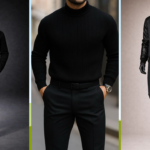
Fashion vs. Style: Understanding the Difference
Fashion is what’s currently popular. Style is timeless and personal.
Fashion:
- Changes seasonally
- Dictated by designers and trends
- Often expensive and fleeting
- Requires constant updates
Style:
- Remains consistent
- Reflects your personality and lifestyle
- Built on classic pieces
- Lasts for years
Focus on building style, not chasing fashion. This saves money and creates consistent, reliable appearance.
Building Your First Wardrobe
The Essential Starting Pieces
These men’s fashion basics every beginner should know create foundation for everything else.
Start here before buying anything trendy or experimental.
T-shirts (3-4):
- 2 white crew neck t-shirts
- 1 gray crew neck t-shirt
- 1 navy crew neck t-shirt
Choose quality cotton that maintains shape after washing.
Button-down shirts (2-3):
- 1 white Oxford cloth button-down
- 1 light blue Oxford or dress shirt
- 1 casual shirt (chambray or subtle pattern)
These work for everything from casual to business casual.
Jeans (2 pairs):
- 1 dark wash (no distressing or fading)
- 1 medium wash
Ensure proper fit—not too tight, not too baggy.
Chinos (2 pairs):
- 1 navy
- 1 khaki or tan
These dress up or down effortlessly.
Sweaters (1-2):
- 1 crew neck sweater (navy or gray)
- 1 hoodie (for casual wear)
Quality knits last years and add layering options.
Outerwear (2 pieces):
- 1 casual jacket (denim jacket, bomber, or Harrington)
- 1 weather-appropriate coat
Choose versatile colors that work with everything.
Shoes (3 pairs minimum):
- 1 pair white leather sneakers
- 1 pair brown leather shoes (Chelsea boots, loafers, or desert boots)
- 1 pair athletic shoes (for gym only)
Quality footwear elevates every outfit dramatically.
Total: 15-20 pieces create complete beginner wardrobe
Why This Wardrobe Works
This isn’t random—it’s strategically designed for beginners.
Key advantages:
- Every piece works with multiple other pieces
- Neutral colors eliminate coordination guesswork
- Covers casual through smart casual occasions
- Provides sufficient variety without overwhelming
- Creates strong foundation for future additions
You can build 20+ distinct outfits from these essentials alone.
Budgeting Your First Wardrobe
You don’t need thousands of dollars to start dressing well.
Realistic budget breakdown:
- Jeans and chinos: $150-250 (4 pairs)
- Shirts and t-shirts: $150-250 (5-7 pieces)
- Sweaters and hoodie: $80-150 (2-3 pieces)
- Shoes: $200-350 (3 pairs)
- Outerwear: $150-300 (2 pieces)
- Tailoring: $50-100
Total: $780-1,400 for complete starter wardrobe
Build gradually over 3-6 months rather than buying everything immediately.
Where to Shop as a Beginner
Certain retailers offer better value and quality for those just starting.
Recommended beginner-friendly stores:
- Uniqlo (excellent quality basics at low prices)
- J.Crew/J.Crew Factory (classic American style)
- Gap (reliable basics, frequent sales)
- Banana Republic (smart casual options)
- Target/H&M (ultra-budget basics)
- Nordstrom Rack (discounted quality brands)
Online options:
- Amazon (Prime returns make trying easy)
- ASOS (huge selection, good return policy)
- Bonobos (excellent fit guides)
Start with stores offering free returns so you can try multiple sizes without risk.
Understanding Fit: The Most Important Basic
Why Fit Matters More Than Everything Else
Proper fit is the single most transformative element in men’s fashion basics every beginner should know.
A $30 t-shirt that fits perfectly looks better than a $300 designer shirt that doesn’t.
What proper fit accomplishes:
- Makes you look taller and slimmer
- Creates polished, intentional appearance
- Increases confidence immediately
- Works regardless of body type
- Costs nothing if you buy correctly
Poor fit makes everything look sloppy regardless of quality or price.
Shoulder Fit: The Non-Negotiable
Shoulders are the most important fit point and nearly impossible to alter.
Perfect shoulder fit:
- Seam sits exactly where your shoulder ends
- No fabric bunching or divots
- Can raise arms comfortably
- Shoulder line appears clean and straight
If shoulders don’t fit, don’t buy the item—nothing else can compensate.
Sleeve Length Guidelines
Improper sleeve length looks careless and amateur.
T-shirt sleeves:
- End mid-bicep (not at elbow, not at shoulder)
- Hug arm gently without tightness
Button-down shirt sleeves:
- End at wrist bone when arms hang naturally
- When wearing jacket, show 1/4 to 1/2 inch beyond jacket sleeve
Jacket and sweater sleeves:
- End at wrist bone or slightly above
- Never cover your hands
Get sleeves shortened if needed—alterations cost $10-15.
Shirt Body Fit
The torso fit determines whether shirts look polished or sloppy.
Proper shirt fit:
- Can pinch 2-3 inches of fabric at side seams
- Buttons close without pulling
- Moves with you without restriction
- No billowing or excessive fabric
- Not vacuum-sealed to body
Avoid both baggy (looks messy) and too tight (looks uncomfortable).
Pant Fit Standards
Well-fitting pants transform your entire silhouette.
Waist:
- Sits at natural waist (belly button level)
- Comfortable without belt needed for support
- Can fit two fingers in waistband
Seat and thighs:
- Smooth fabric without pulling
- Comfortable when sitting
- Not baggy or excessively tight
Length:
- Minimal break (slight bend at shoe) or no break (modern preference)
- Never pooling around ankles
- Hemming costs $10-15 and dramatically improves appearance
Rise (crotch to waist):
- Mid-rise for most men (sits just below belly button)
- Not so low it feels like falling down
- Not so high it’s uncomfortable when sitting
When to Get Clothes Tailored
Not everything needs tailoring, but certain items always benefit.
Always tailor:
- Suits and blazers
- Dress pants (length at minimum)
- Button-down shirts if baggy in torso
- Any piece you’ll wear frequently that doesn’t fit perfectly
Common alterations and costs:
- Hem pants: $10-15
- Shorten sleeves: $10-15
- Take in shirt sides: $15-20
- Taper pant legs: $20-25
These minor investments transform affordable clothes into custom-looking pieces.
Color Basics for Beginners
Starting With Neutrals
Neutral colors form the foundation of every successful wardrobe.
They eliminate coordination stress and work together automatically.
Essential neutral colors:
- Navy blue (the most versatile color)
- Gray (light, medium, and dark shades)
- White and cream
- Black
- Brown and tan
- Khaki
- Olive green
Build 80% of your wardrobe with these before adding color.
The Three-Color Rule
Limit each outfit to three colors maximum for cohesive appearance.
This includes shoes, pants, shirt, and jacket.
Example combinations:
- Navy chinos + white t-shirt + brown shoes
- Gray jeans + black sweater + white sneakers
- Khaki pants + light blue shirt + navy jacket
Accessories should complement existing colors rather than adding new ones.
Safe Color Combinations That Always Work
These foolproof pairings eliminate guesswork for beginners.
Guaranteed successful combinations:
- Navy + white + brown
- Gray + white + black
- Navy + gray + white
- Khaki + blue + brown
- Black + white + gray
- Olive + tan + brown
Memorize 3-4 combinations you like and use them repeatedly.
When and How to Add Color
Once comfortable with neutrals, introduce color strategically.
Beginner-friendly colors to add:
- Burgundy or wine (sophisticated, mature)
- Forest green (masculine, versatile)
- Light blue (professional, fresh)
- Rust or burnt orange (warm, interesting)
Where to introduce color:
- Shirts and sweaters (easily swapped)
- Accessories (low commitment)
- One accent piece per outfit maximum
Keep pants neutral always—colored pants are advanced and harder to coordinate.
Understanding Warm and Cool Colors
Colors have temperatures that should harmonize in outfits.
Warm colors:
- Browns, tans, beiges
- Olive and khaki
- Rust, orange tones
- Warm grays (with brown undertones)
Cool colors:
- True grays
- Navy and blues
- Black
- Burgundy and purples
Generally, warm colors pair best with warm, cool with cool. Mixing requires more careful coordination.
Basic Styling Techniques
Tucking Your Shirt: When and How
This simple decision dramatically affects appearance.
When to tuck:
- Button-down shirts with chinos or dress pants
- Business and smart casual settings
- When wearing a blazer
- Formal occasions
When to leave untucked:
- T-shirts (almost always)
- Casual button-downs with curved hems
- Polos (usually)
- Very casual settings
How to tuck properly:
- Tuck fully around, not just front
- Pull fabric smooth from back
- Ensure even distribution
- Should look intentional, not sloppy
Basic Layering Principles
Layering creates visual interest and extends wardrobe functionality.
Simple layering formula:
- Base layer: T-shirt or thin button-down
- Mid layer: Sweater, hoodie, or casual jacket
- Outer layer: Coat or heavier jacket
Layering rules:
- Each layer should fit properly
- Don’t add bulk unnecessarily
- Ensure colors coordinate across layers
- Thinnest layer closest to skin
Example progression:
- Summer: White t-shirt alone
- Fall: White t-shirt + gray sweater
- Winter: White t-shirt + gray sweater + navy jacket
This maximizes every piece’s utility across seasons.
Rolling Sleeves Correctly
Properly rolled sleeves add casual sophistication to button-downs.
The basic roll:
- Unbutton cuffs completely
- Fold cuff back once to just below elbow
- Fold remaining fabric up to meet cuff edge
- Smooth and adjust for clean appearance
Avoid messy, uneven bunching that looks careless.
Matching Belt and Shoes
This fundamental rule creates cohesion in outfits.
Basic matching principle:
- Brown belt with brown shoes
- Black belt with black shoes
They don’t need identical shades—just same color family.
Exceptions:
- Casual outfits with sneakers make belt less critical
- Very casual shorts outfits may skip belt entirely
When in doubt, match—this never looks wrong.
Accessorizing as a Beginner
Start minimal and add gradually as you gain confidence.
Essential beginner accessories:
- Simple watch (leather strap or metal bracelet)
- Belt (brown and black)
- Sunglasses (classic aviator or wayfarer style)
Avoid as beginner:
- Multiple bracelets or necklaces
- Statement jewelry
- Hats (difficult to wear well)
- Pocket squares (advanced)
Less is more—master basics before adding accessories.
Footwear Fundamentals
The Three Essential Pairs
Quality footwear is worth the investment—shoes last years and elevate every outfit.
White leather sneakers:
- Minimalist, clean design
- Works with jeans, chinos, shorts
- Must stay pristine
- Budget: $80-150
Brown leather casual shoes:
- Chelsea boots, desert boots, or loafers
- Versatile for casual and smart casual
- Dresses up jeans and chinos
- Budget: $100-200
Athletic shoes:
- For gym and exercise only
- Don’t wear for regular outfits
- Budget: $60-120
These three pairs handle 95% of situations.
Shoe Care Basics
Well-maintained shoes look expensive regardless of actual cost.
Weekly care:
- Wipe down shoes after wearing
- Remove dirt and debris
- Allow leather shoes to dry fully between wears
Monthly care:
- Polish leather shoes
- Clean sneakers thoroughly
- Check for damage needing repair
General rules:
- Rotate shoes—never wear same pair daily
- Use shoe trees to maintain shape
- Weatherproof leather before wearing in rain
Ten minutes weekly keeps shoes looking new for years.
Matching Shoes to Outfits
Appropriate footwear makes or breaks outfit success.
White sneakers pair with:
- Jeans and t-shirt
- Chinos and casual shirt
- Shorts (in appropriate settings)
Brown leather shoes pair with:
- Dark jeans and button-down
- Chinos and sweater
- Smart casual outfits
- Everything except very formal suits
Athletic shoes pair with:
- Workout clothes only
- Never wear for regular daily outfits
When uncertain, brown leather shoes are almost always appropriate.
Grooming and Maintenance Basics
Non-Negotiable Grooming Standards
Clothing can’t overcome poor personal grooming.
Daily essentials:
- Shower and deodorant
- Brush teeth
- Style hair appropriately
- Clean, trimmed fingernails
Weekly care:
- Trim nails
- Groom facial hair (shave or maintain intentional style)
- Check for nose/ear hair
Monthly care:
- Haircut every 3-6 weeks
- Trim eyebrows if excessively long
These basics cost little but dramatically impact overall appearance.
Clothing Maintenance Fundamentals
Well-maintained clothes last longer and look better.
Daily habits:
- Hang button-downs immediately after wearing
- Fold knits (sweaters, t-shirts) instead of hanging
- Air out clothes before storing
- Address stains immediately
Weekly tasks:
- Do laundry regularly (don’t wear items multiple times)
- Iron or steam button-downs
- Check for loose buttons or minor repairs
General rules:
- Read and follow care labels
- Wash darks in cold water
- Don’t overdry clothes (causes shrinking)
- Repair minor issues before they worsen
When to Replace Items
Knowing when clothes are past their prime prevents looking sloppy.
Replace when you see:
- Holes or tears that can’t be repaired
- Permanent stains
- Excessive fading or color loss
- Fabric thinning or becoming see-through
- Loss of shape (stretched out, won’t hold form)
- Pilling that can’t be removed
Don’t hold onto items hoping they’ll be wearable again—if it looks worn, it is.
Dress Codes Explained for Beginners
Understanding Formality Levels
Different situations require different formality—matching appropriately shows awareness.
Casual:
- Jeans, t-shirts, sneakers
- Hoodies and sweatshirts
- Very relaxed settings
- Weekend errands, hanging with friends
Smart casual:
- Chinos or dark jeans
- Button-downs or polos
- Leather shoes or clean sneakers
- Date nights, nice restaurants
Business casual:
- Chinos or dress pants
- Button-down shirts
- Leather dress shoes
- Blazer optional
- Office environments
Business formal:
- Suit and tie required
- Dress shoes
- Professional appearance
- Corporate settings, interviews
Black tie:
- Tuxedo only
- Very formal weddings or events
- Rent if you don’t own
What to Wear for Common Situations
Practical guidance for typical scenarios beginners face.
First date: Smart casual—dark jeans, button-down shirt, leather shoes or clean sneakers. Shows effort without overdressing.
Job interview: Business casual minimum (chinos, dress shirt, leather shoes). Wear suit if applying for corporate/formal industry.
Meeting parents: Smart casual—chinos, button-down, leather shoes. Look polished but not overdressed.
Casual Friday at office: Business casual with more relaxed interpretation—chinos and polo or casual button-down.
Weekend brunch: Casual—jeans or chinos, t-shirt or casual shirt, sneakers or leather shoes.
When uncertain, dress slightly more formally—removing a jacket is easier than appearing underdressed.
Common Beginner Mistakes to Avoid
Mistake 1: Buying Too Much Too Fast
Beginners often buy everything at once without understanding what works.
The fix: Build gradually. Start with 3-5 essentials, wear them for a month, then add more based on what you actually need. This prevents waste and buyer’s remorse.
Mistake 2: Chasing Trends Immediately
Trends change quickly and don’t teach fundamental principles.
The fix: Master classic basics first. Once you understand fundamentals, add trendy pieces selectively. Timeless style outlasts fashion trends always.
Mistake 3: Buying Wrong Sizes
Many men don’t actually know their proper sizes across different brands.
The fix: Try everything on. Sizes vary dramatically between brands. What fits in one store may not in another. Always verify fit before buying.
Mistake 4: Ignoring Care Labels
Improper washing ruins clothes quickly, especially when starting with limited wardrobe.
The fix: Read care labels before first wash. Follow temperature and drying instructions. When unsure, air dry to prevent damage.
Mistake 5: Not Investing in Shoes
Beginners often spend disproportionately on clothes while neglecting footwear.
The fix: Allocate significant budget to shoes. They last longer than clothes and impact overall appearance more. Quality shoes elevate budget outfits dramatically.
Mistake 6: Copying Others’ Style Completely
What works for someone else may not suit your body type or lifestyle.
The fix: Use inspiration, don’t copy exactly. Adapt ideas to your situation. Develop personal style gradually through experimentation.
Frequently Asked Questions
How much should I spend starting out?
A complete beginner wardrobe costs $800-1,400 depending on choices. Start with $200-300 for essentials: one pair jeans, two shirts, shoes. Build gradually over 3-6 months rather than buying everything immediately. Focus on quality basics that last rather than quantity of cheap items.
What’s the single most important thing to get right?
Fit is overwhelmingly most important. Properly fitting clothes transform your appearance more than any other single factor. Even cheap clothes look good when they fit perfectly. Focus on shoulder fit, proper length, and comfortable body fit before worrying about anything else.
Do I need expensive brands to look good?
Absolutely not. Focus on fit, basic grooming, and color coordination rather than brands. A $30 Uniqlo shirt that fits perfectly looks better than a $300 designer shirt that doesn’t. Invest in quality where it matters (shoes, outerwear) but save on basics.
How do I know if something fits correctly?
Shoulders should align with your shoulder line. Sleeves should end at wrists. You should move comfortably without excess fabric. When sitting, nothing should feel restrictive. If constantly adjusting or pulling at something, the fit is wrong. Try multiple sizes to compare.
What if I don’t know my personal style yet?
That’s normal for beginners! Start with neutral, classic basics that work universally. Your style preferences emerge naturally as you experiment and notice what you feel confident wearing. Don’t force it—personal style develops over time, not overnight.
Conclusion
These men’s fashion basics every beginner should know provide the foundation for looking great without confusion or overwhelm.
Start by building your essential wardrobe with versatile, neutral pieces that work together automatically. Focus obsessively on proper fit—this single element transforms your appearance more than anything else.
Master color coordination with simple three-color outfits and foolproof combinations like navy, white, and brown. Learn when to tuck shirts, how to layer effectively, and always match your belt to your shoes.
Remember that dressing well isn’t about following every fashion trend or owning expensive brands. It’s about understanding fundamental principles, applying them consistently, and developing confidence in your appearance.
Start today with one small change: identify the worst-fitting item in your wardrobe and either get it tailored or replace it with something that fits properly. This single action teaches you more about good style than reading any article.
Build gradually, make mistakes, learn from experience, and trust that your style will develop naturally as you apply these basics consistently.