
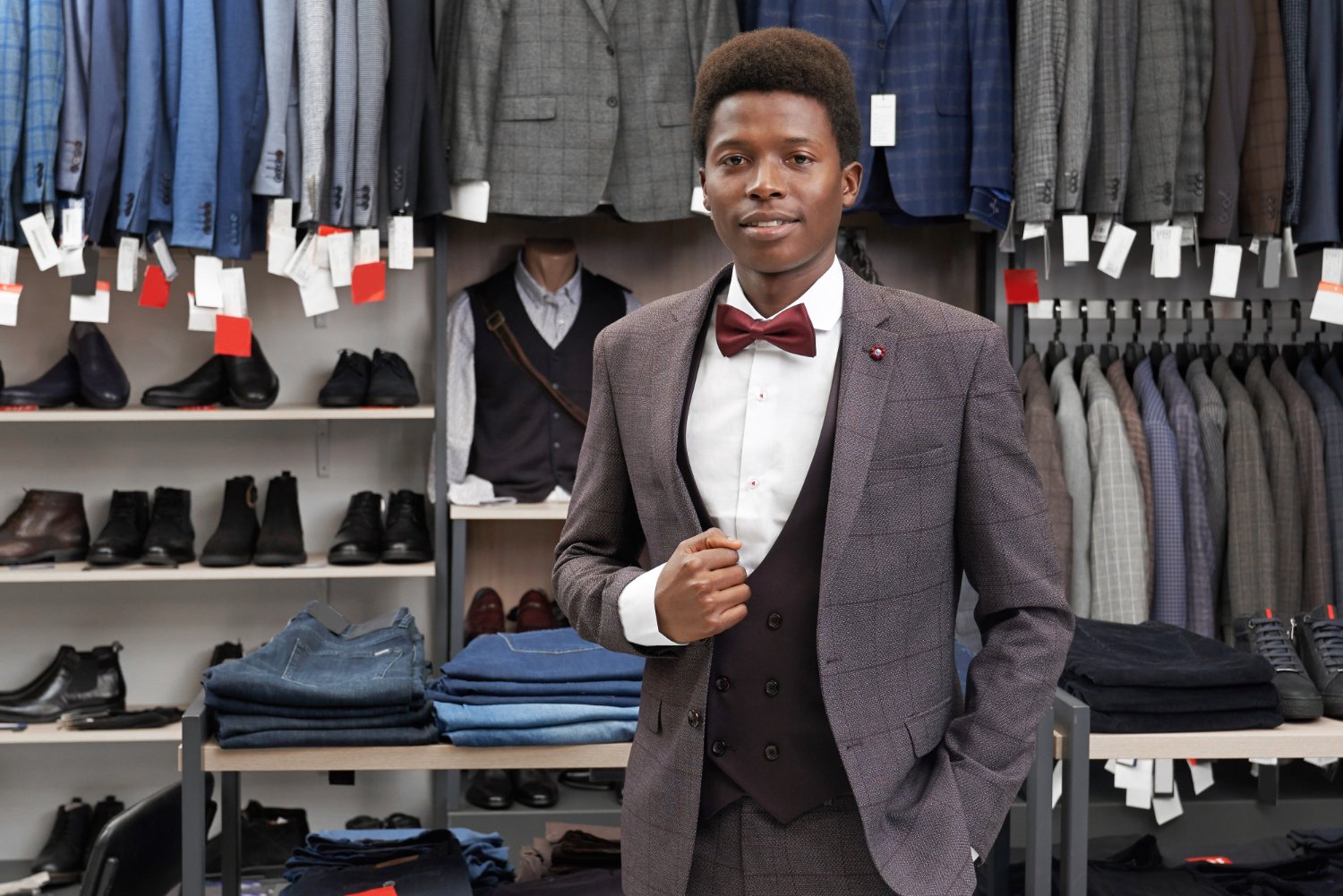
If the thought of browsing stores or scrolling through countless online options fills you with dread, you’re not alone. Many men find shopping overwhelming, time-consuming, and frustrating.
The good news? You don’t need to love shopping to look great. Learning practical outfit ideas for men who hate shopping means building a strategic wardrobe that eliminates daily decision fatigue.
This guide is designed specifically for men who want to look put-together with minimal effort, shopping trips, and mental energy.
You’ll discover simple outfit formulas that work repeatedly, a streamlined shopping approach, and exactly which pieces to buy so you never have to think about what to wear again.

Why Men Hate Shopping (And How to Fix It)
The Real Problems With Shopping
Understanding why you hate shopping helps you solve the right problems.
Common shopping frustrations:
- Too many choices create decision paralysis
- Uncertainty about what actually looks good
- Time-consuming process with disappointing results
- Uncomfortable fitting rooms and sales pressure
- Difficulty finding proper sizes and fits
- Not knowing what works together
The solution isn’t forcing yourself to enjoy shopping—it’s eliminating most shopping from your life entirely.
The Minimal Effort Approach
Shopping doesn’t have to be frequent or complicated.
The strategy:
- Shop once or twice per year in focused sessions
- Buy multiples of items that work
- Stick to proven formulas instead of experimenting
- Use online shopping with free returns
- Focus on replacements, not trends
This approach means spending 2-3 hours twice yearly instead of constant shopping stress.
The Ultimate Minimal Wardrobe for Men Who Hate Shopping
Your Complete Shopping List
This list contains everything you need for a functional, stylish wardrobe.
Buy these exact quantities, and you’re done shopping for 1-2 years.
Tops (14 items):
- 4 plain t-shirts: 2 white, 1 gray, 1 navy
- 3 button-down shirts: 1 white, 1 light blue, 1 casual pattern or chambray
- 2 henleys or polos in neutral colors
- 2 sweaters: 1 crew neck, 1 quarter-zip or cardigan
- 2 hoodies: 1 gray, 1 navy
- 1 casual jacket: denim, bomber, or Harrington
Bottoms (6 items):
- 2 pairs dark wash jeans (no distressing)
- 2 pairs chinos: 1 navy, 1 khaki or olive
- 1 pair gray joggers or casual pants
- 1 pair shorts (khaki or navy)
Shoes (4 pairs):
- 1 pair white leather sneakers
- 1 pair versatile leather shoes (Chelsea boots, loafers, or desert boots in brown)
- 1 pair athletic shoes (for actual exercise)
- 1 pair casual sandals or slides (optional, warm climates)
Outerwear (2-3 items):
- 1 casual jacket (see tops section)
- 1 weather-appropriate coat (winter puffer, rain jacket, or all-weather option)
- 1 blazer (optional, for dressier occasions)
Basics:
- 8-10 pairs underwear
- 8-10 pairs socks (all matching)
- 2 belts: 1 brown, 1 black
- 1 watch (simple, versatile style)
Total pieces: Approximately 35-40 items that create hundreds of outfit combinations.
Why This Wardrobe Works
This isn’t random—it’s strategically designed for men who hate shopping.
Key advantages:
- Everything works together (no mismatched pieces)
- Neutral colors eliminate coordination stress
- Sufficient variety without overwhelming choice
- Covers all situations from casual to semi-formal
- Reduces laundry frequency
- Makes packing for trips effortless
You’ll never stare at your closet wondering what to wear because everything matches everything else.
15 Foolproof Outfit Formulas
These outfit ideas for men who hate shopping eliminate daily decision-making entirely.
Use these exact combinations repeatedly—no one tracks what you wore last week.
Everyday Casual Outfits
Outfit 1: The Weekend Standard
- White or gray t-shirt
- Dark jeans
- White sneakers
- Optional: hoodie or casual jacket
Outfit 2: The Comfortable Classic
- Navy henley or polo
- Khaki chinos
- White sneakers
- Optional: casual jacket
Outfit 3: The Effortless Look
- Casual button-down (chambray or pattern)
- Dark jeans
- White sneakers or leather shoes
- Roll sleeves for relaxed vibe
Outfit 4: The Layered Casual
- White t-shirt
- Gray or navy hoodie
- Dark jeans
- White sneakers
Outfit 5: The Elevated Casual
- White or light blue button-down
- Navy chinos
- Brown leather shoes
- Optional: sweater over shoulders
Smart Casual Outfits
Outfit 6: The Date Night Look
- Light blue button-down
- Dark jeans
- Brown leather Chelsea boots or loafers
- Optional: blazer
Outfit 7: The Professional Casual
- White button-down
- Navy chinos
- Brown leather shoes
- Crew neck sweater (when cooler)
Outfit 8: The Modern Smart Casual
- White or black t-shirt
- Navy or gray chinos
- White leather sneakers (pristine condition)
- Blazer
Outfit 9: The Business Casual
- Light blue dress shirt
- Gray or navy chinos
- Brown leather shoes
- Optional: blazer or cardigan
Outfit 10: The Polished Weekend
- Casual button-down
- Khaki chinos
- Brown desert boots or loafers
- Casual jacket
Weather-Appropriate Outfits
Outfit 11: The Cold Weather Look
- Henley or t-shirt
- Button-down shirt (unbuttoned as layer)
- Dark jeans
- White sneakers
- Winter coat
Outfit 12: The Cozy Casual
- T-shirt base layer
- Crew neck sweater
- Dark jeans
- Leather boots
- Jacket or coat
Outfit 13: The Rainy Day Outfit
- Any standard outfit from above
- Rain jacket or weather-resistant coat
- Leather boots instead of sneakers
Outfit 14: The Summer Casual
- Plain t-shirt or polo
- Khaki or navy shorts
- White sneakers or sandals
- Sunglasses
Outfit 15: The Hot Weather Look
- Light-colored button-down (short or long sleeve)
- Khaki shorts or light chinos
- White sneakers or leather sandals
- Leave shirt untucked
Shopping Strategy for Men Who Hate It
The Annual Shopping Approach
Limit shopping to one or two focused sessions per year.
When to shop:
- Late winter/early spring (for spring/summer wardrobe)
- Late summer/early fall (for fall/winter wardrobe)
What to do:
- Block 2-3 hours on calendar
- Shop online for convenience and selection
- Order multiple sizes to find perfect fit
- Keep what works, return the rest (free returns)
- Buy multiples of items that fit well
This concentrated approach eliminates ongoing shopping stress.
The “Buy Multiples” Rule
When you find something that fits perfectly, buy 2-3 of the same item.
Items to multiply:
- Perfect-fitting t-shirts (buy in multiple colors)
- Jeans that fit ideally (buy 2 pairs)
- Underwear and socks (buy 8-10 identical pairs)
- Any piece you wear weekly
This strategy means you’re always wearing clothes that fit, and replacements are easy since you know exactly what works.
The Online Shopping Advantage
Online shopping eliminates most frustrations men associate with shopping.
Benefits for shopping-haters:
- No crowds or sales pressure
- Easy size and price comparisons
- Customer reviews show real-world fit
- Free returns eliminate risk
- Shop at convenient times
- Detailed measurements available
Best online retailers for men’s basics:
- Amazon (basics, fast shipping)
- J.Crew (quality casual wear)
- Bonobos (great fit guides)
- Uniqlo (affordable essentials)
- Everlane (transparent pricing)
- Nordstrom (free shipping and returns)
The Replacement System
Shopping becomes simple when you’re only replacing worn items.
Replacement indicators:
- Visible holes or tears
- Permanent stains
- Fabric pilling or thinning
- Fading beyond acceptable
- Lost shape or stretched out
When something needs replacing, simply reorder the exact same item or find the closest equivalent.
Making Your Wardrobe Work Effortlessly
The Monday-Friday Rotation
Eliminate morning decision fatigue with a simple rotation system.
Example weekly rotation:
- Monday: Outfit 1 (white t-shirt + dark jeans + sneakers)
- Tuesday: Outfit 6 (blue shirt + dark jeans + leather shoes)
- Wednesday: Outfit 2 (polo + chinos + sneakers)
- Thursday: Outfit 7 (white shirt + navy chinos + leather shoes)
- Friday: Outfit 3 (casual shirt + jeans + sneakers)
Rotate through your outfit formulas systematically instead of choosing randomly each morning.
The Matching Socks Solution
Buy all identical socks to eliminate matching frustration.
Choose one style in one color (black or gray work universally) and buy 10-12 pairs.
Benefits:
- Never search for matching pairs
- No sorting after laundry
- Easy replacements (buy same style)
- Works with all shoes
- Simplifies packing
This single change saves hours annually and eliminates morning frustration.
The Seasonal Closet Organization
Simplify your closet by only displaying current-season clothes.
How it works:
- Store off-season items in bins or separate closet area
- Only keep current season readily accessible
- Swap twice yearly during shopping sessions
- Reduces visual clutter and decision options
Fewer visible choices means faster, easier decisions every morning.
The Two-Week Rule
If you haven’t worn something in two weeks, evaluate if it belongs in your rotation.
Items you consistently skip either don’t fit well, don’t match your other pieces, or don’t suit your lifestyle.
Donate or discard these pieces rather than keeping them “just in case.”
A smaller wardrobe of items you actually wear beats a larger wardrobe full of unworn pieces.
Time-Saving Shopping Shortcuts
The Brand Loyalty Shortcut
Once you find brands that fit your body type, stick with them exclusively.
Benefits of brand loyalty:
- Consistent sizing across purchases
- Know quality expectations
- Faster shopping (skip browsing)
- Easy reordering
- Better customer service for repeat customers
Test 2-3 brands initially, then commit to what works best for your build and budget.
The Uniform Approach
Many successful men wear variations of the same outfit daily.
Famous examples:
- Steve Jobs: Black turtleneck, jeans, sneakers
- Mark Zuckerberg: Gray t-shirt, jeans, sneakers
- Barack Obama: Navy or gray suit rotation
Creating your uniform:
- Choose your favorite outfit formula
- Buy multiples in slight variations
- Wear variations of this daily
- Eliminate 90% of clothing decisions
This isn’t boring—it’s strategic simplicity that frees mental energy for more important decisions.
The Personal Shopper Option
Many stores offer free personal shopping services.
How it works:
- Schedule appointment (usually free)
- Share your sizes, budget, and needs
- Shopper pre-selects items
- Try on curated selection only
- Buy what works, leave the rest
This eliminates browsing entirely—you only see pre-selected options in your size.
The Subscription Box Alternative
Clothing subscription services deliver curated selections to your door.
Popular options:
- Stitch Fix (algorithm-based selections)
- Trunk Club (personal stylist)
- Bombfell (curated basics)
You try items at home, keep what you want, return the rest. Some services let you set specific preferences to minimize returns.
Frequently Asked Questions
How much should I spend on this minimal wardrobe?
A quality minimal wardrobe costs $800-1,500 total, depending on brands chosen. Budget $200-300 for jeans and chinos, $300-400 for shoes, $200-300 for tops, and $200-300 for outerwear. Buy strategically during sales to reduce costs by 30-40%. This investment lasts 1-2 years with proper care.
What if I gain or lose weight?
Keep one size up and down for key pieces if your weight fluctuates. Alternatively, buy new essentials when needed—with a minimal wardrobe, replacing a few items is manageable. Focus on maintaining pieces that currently fit rather than keeping clothes that might fit someday.
How do I know what fits without trying things on?
Measure clothes you already own that fit well. Compare these measurements to size charts when shopping online. Order multiple sizes initially and return what doesn’t fit. After finding your size in specific brands, reordering becomes simple since sizing stays consistent.
Can I look stylish wearing the same outfits repeatedly?
Absolutely. Most people don’t notice or care about outfit repetition. Consistency in well-fitting, clean clothes looks more polished than constant variety in poorly-chosen outfits. Rotate through 10-15 proven outfits rather than attempting daily uniqueness. Style comes from fit and coordination, not novelty.
What about special occasions like weddings or interviews?
Keep one dressier outfit for formal events: navy blazer, white dress shirt, gray or navy dress pants, and brown leather dress shoes. This combination works for most dressy occasions. Rent tuxedos for black-tie events rather than buying. Add a tie to your dress outfit for interviews or very formal events.
Conclusion
These outfit ideas for men who hate shopping prove you don’t need to enjoy shopping to look great consistently.
Build the minimal wardrobe outlined here, master the 15 outfit formulas, and implement the annual shopping strategy. This approach eliminates daily stress while ensuring you always look put-together.
Remember that simplicity beats complexity every time. A smaller wardrobe of versatile, well-fitting pieces in neutral colors creates more successful outfits than a massive closet of random purchases.
Shop strategically once or twice yearly, buy multiples of what works, and use proven outfit formulas instead of reinventing your look daily.
With this system, you’ll spend less time shopping and thinking about clothes while looking better than ever. That’s the ultimate win for men who hate shopping but still want to look their best.
Related Articles You Might Like: