Common Fashion Mistakes Men Make (and How to Fix Them)
Most men unknowingly sabotage their appearance with simple, fixable mistakes. You might have quality clothes and good intentions, yet something still looks off.
The frustrating part? These common fashion mistakes men make are so ingrained in daily routines that they become invisible—until someone points them out.
Understanding these errors transforms your entire appearance without requiring a wardrobe overhaul or significant spending.
This comprehensive guide identifies the most frequent style mistakes men make, explains why they matter, and provides straightforward solutions you can implement immediately.

Whether you’re a complete beginner or someone looking to refine your style, fixing these mistakes will dramatically improve how you look and feel every day.
The Biggest Mistake: Ignoring Fit
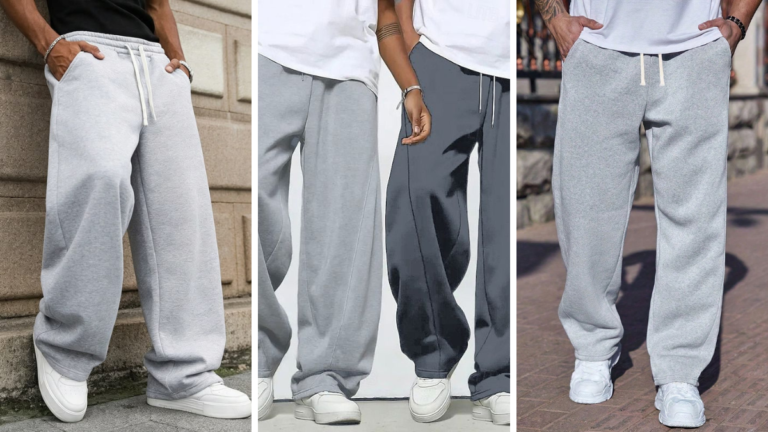
Wearing Clothes That Are Too Big
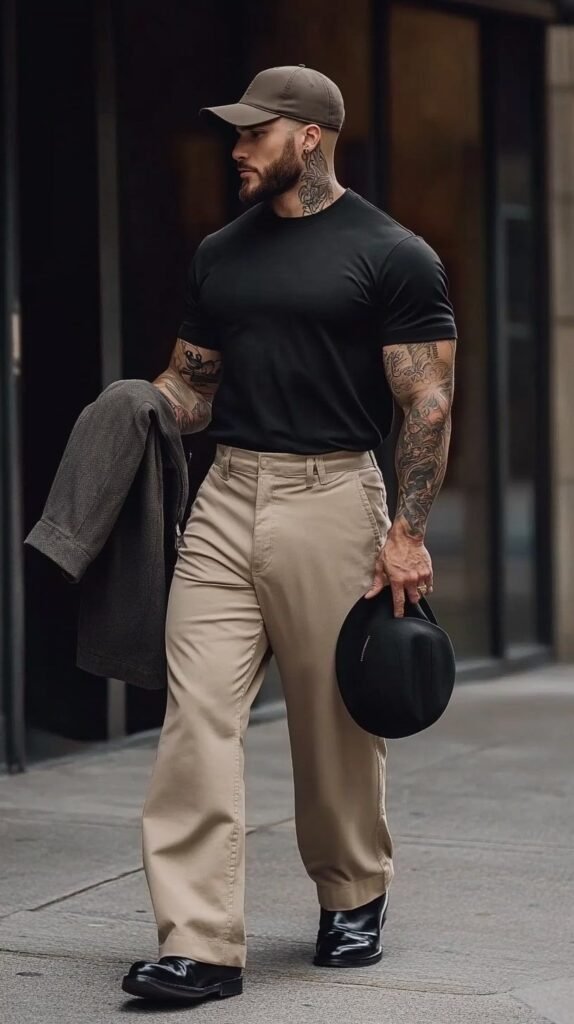
This is the single most damaging mistake men make, and it’s surprisingly common.
Oversized clothing makes you appear sloppy, heavier, and shorter than you actually are.
Why men do this:
- Comfort misconception (baggy doesn’t mean comfortable)
- Outdated 90s/2000s fashion influence
- Buying wrong sizes to hide body insecurities
- Not knowing proper fit standards
Signs your clothes are too big:
- Shoulder seams extend past your natural shoulders
- Excess fabric bunching around torso
- Sleeves covering half your hands
- Pants pooling excessively at ankles
- Shirt billowing when tucked in
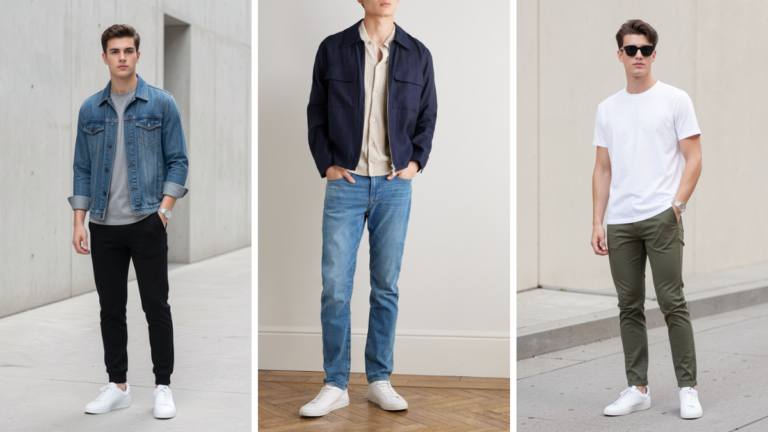
The fix: Clothes should follow your body’s natural shape without being tight. Shoulders should align perfectly with your shoulder line. Sleeves should end at your wrist bone. Pants should have minimal to no break at shoes. When in doubt, size down or get items tailored.
Wearing Clothes That Are Too Tight

The opposite extreme creates equally problematic results.
Overly tight clothing looks desperate, highlights problem areas, and restricts movement uncomfortably.
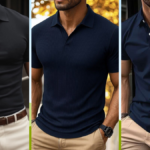
Signs your clothes are too tight:
- Fabric pulling or creating lines across chest or thighs
- Buttons straining or gaping
- Can’t move arms comfortably
- Visible underwear or pocket outlines
- Restricted breathing when sitting
The fix: You should move freely and comfortably in all clothing. Sit down when trying on pants—if they’re uncomfortable seated, they’re too tight. Button-down shirts should close without pulling. Leave room between your body and fabric, even in “slim fit” items.
Not Tailoring When Needed
Off-the-rack clothing rarely fits perfectly because bodies vary significantly.
Even expensive clothes look cheap when they don’t fit properly.
Items that commonly need tailoring:
- Suit jackets and blazers (sleeves, body)
- Dress pants (length, waist, sometimes taper)
- Dress shirts (torso, sleeves)
- Jeans (length)
- Casual shirts (torso if baggy)
The fix: Find a reliable tailor and build a relationship. Basic alterations cost $10-25 per item but transform appearance dramatically. Hemming pants, taking in shirt sides, and adjusting sleeve length are simple, affordable alterations with massive impact.
Color and Pattern Mistakes
Wearing Too Many Colors
Outfits with four or more colors look chaotic and unfocused.
This common fashion mistake men make creates visual confusion and appears amateur.
Why it happens:
- Thinking more colors equals more style
- Not understanding color coordination
- Treating each piece as independent rather than part of whole outfit
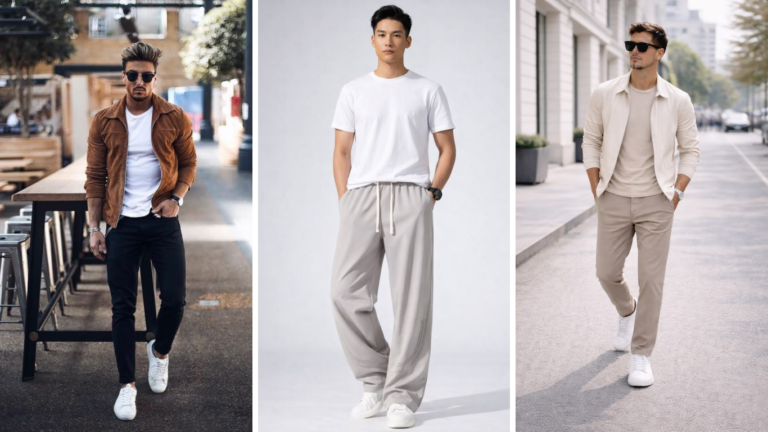
The fix: Limit outfits to three colors maximum, including shoes and accessories. Build around neutral base (navy, gray, black, white, brown), then add one or two complementary colors. This creates cohesion while allowing personality.
Example good combination:
- Navy chinos (color 1)
- White t-shirt (color 2)
- Olive jacket (color 3)
- Brown shoes (matches color 3 family)
Matching Too Perfectly
Wearing identical shades of the same color looks like a uniform or costume.
Common examples:
- Matching shirt exactly to pants
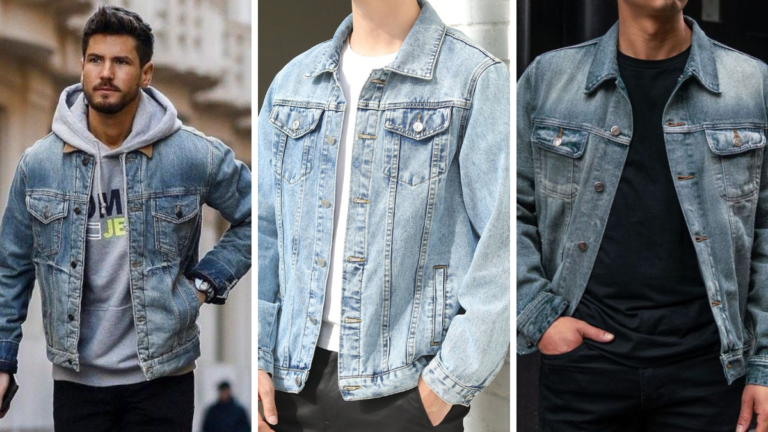
- Identical blue shirt and blue jeans
- Perfectly matched belt and shoes (same shade, same finish)
The fix: Vary shades within color families. Light blue shirt with dark navy pants works beautifully. Medium blue shirt with medium blue pants doesn’t. Create contrast through different shades rather than matching exactly.
Avoiding Color Entirely
The opposite extreme—wearing only black, white, and gray—looks monotonous and uninspired.
While neutrals form excellent foundations, avoiding all color makes you forgettable.
The fix: Introduce color gradually through accessories first—colored socks, watches with colored straps, subtle patterns. Progress to colored shirts (burgundy, forest green, navy) paired with neutral pants. Start with muted, sophisticated colors before experimenting with brighter shades.
Wearing Clashing Patterns
Mixing multiple patterns without understanding scale and coordination creates visual chaos.
Common clashing combinations:
- Striped shirt with plaid pants
- Multiple competing patterns in similar scales
- Busy patterns throughout entire outfit
The fix: Limit patterns to one piece when starting. If mixing patterns, vary the scale dramatically (large check with thin stripe). Keep one pattern dominant and others subtle. Always ground patterns with solid neutral pieces.
Footwear Failures
Wearing Athletic Shoes With Everything
Running shoes and athletic sneakers belong at the gym, not in daily outfits.
This mistake instantly makes otherwise decent outfits look sloppy and immature.
Why men do this:
- Prioritizing comfort over appearance
- Not owning proper casual shoes
- Thinking all sneakers are equivalent
The fix: Invest in versatile footwear appropriate for casual wear. White leather minimalist sneakers work for most casual situations. Brown leather Chelsea boots, loafers, or desert boots elevate smart casual looks. Reserve athletic shoes exclusively for exercise.
Neglecting Shoe Care
Dirty, scuffed, or worn-out shoes undermine entire outfits regardless of how nice your clothes are.
People notice shoes more than you think—they signal attention to detail and self-respect.
Signs of neglected shoes:
- Visible dirt or mud
- Scuffed leather without polish
- Worn-down heels or soles
- Salt stains (winter)
- Torn or separated materials
The fix: Clean shoes weekly. Polish leather shoes monthly. Rotate shoes—don’t wear the same pair daily. Use shoe trees to maintain shape. Replace shoes when soles wear through or material deteriorates beyond repair. Quality shoe care extends life significantly.
Wearing Wrong Shoes for Occasion
Mismatched formality between outfit and footwear creates disconnect.
Common mistakes:
- Flip-flops with anything except swimwear
- Dress shoes with shorts
- Casual sneakers with business casual
- Boots with formal suits
The fix: Match shoe formality to outfit formality. Casual outfits (jeans, t-shirts) pair with sneakers or casual leather shoes. Smart casual requires leather shoes or pristine white sneakers. Business casual and formal settings demand dress shoes only.
Grooming and Maintenance Mistakes
Wearing Wrinkled Clothing
Wrinkled clothes signal laziness and lack of attention regardless of quality or fit.
This is one of the easiest common fashion mistakes men make to fix, yet many ignore it.
The fix: Iron or steam clothes before wearing, especially button-downs and dress pants. Hang dress shirts immediately after washing. If you hate ironing, choose wrinkle-resistant fabrics or take shirts to cleaners. Invest in a handheld steamer ($25-40) for quick touch-ups.
Ignoring Visible Stains or Damage
Continuing to wear visibly stained, torn, or pilled clothing looks careless.
Even small imperfections draw eyes and diminish your entire appearance.
Common damage ignored:
- Small holes or tears
- Permanent stains
- Missing buttons
- Excessive pilling on sweaters
- Frayed hems or cuffs
The fix: Address damage immediately. Sew buttons back on or take to tailor. Treat stains within 24 hours for best removal. Use fabric shaver for pilling ($10-15). If damage is irreparable, discard the item—it’s not worth wearing.
Poor Personal Hygiene
Fashion cannot overcome fundamental hygiene issues.
Non-negotiable grooming standards:
- Daily showering
- Clean, trimmed nails
- Maintained haircut (refresh every 3-6 weeks)
- Groomed facial hair (cleanly shaven or intentionally styled)
- Fresh breath and clean teeth
- Deodorant
The fix: Establish consistent grooming routine. Schedule regular haircuts in advance. Keep nails trimmed weekly. Develop beard maintenance routine or shave regularly. These basics are foundation for any style success.
Overdoing Cologne
More cologne doesn’t equal better smell—it creates overpowering presence that repels people.
The fix: Apply cologne sparingly—1-2 sprays maximum. Target pulse points (wrists, neck). People should only smell your cologne when within arm’s reach, not across the room. If multiple people comment on your cologne’s strength, you’re wearing too much.
Proportion and Styling Errors
Wearing All Baggy or All Tight
Extreme proportions in both directions throw off your silhouette.
All baggy makes you shapeless. All tight looks try-hard and uncomfortable.
The fix: Balance your proportions. If wearing looser-fitting pants, choose more fitted shirt. If wearing slim jeans, opt for regular-fit shirt rather than skin-tight. Create visual balance between top and bottom halves.
Tucking When You Shouldn’t (or Vice Versa)
Tucking decisions significantly impact appearance, yet many men get this wrong.
When to tuck:
- Dress shirts with dress pants or chinos
- Button-downs for business or smart casual settings
- Any shirt with a blazer or suit jacket
- Shirts designed with straight hems
When not to tuck:
- T-shirts (almost never tuck)
- Casual button-downs with curved hems
- Polos (usually)
- Casual settings with jeans
The fix: Check hem design—straight hems are meant for tucking, curved hems for leaving out. Consider formality—dressier occasions call for tucking. When tucking, ensure proper break and smooth fabric without bunching.
Over-Accessorizing
Wearing too many accessories looks cluttered and attention-seeking.
Common over-accessorizing:
- Multiple bracelets and necklaces
- Too many rings
- Excessive jewelry competing for attention
- Statement pieces in every category
The fix: Limit accessories to 2-3 items total. A watch, wedding ring, and simple necklace or bracelet is sufficient. Choose one statement piece maximum. If your watch is bold, keep other accessories minimal. Less is more in men’s accessories.
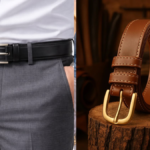
Ignoring Belt and Shoe Coordination
Mismatched leather tones between belt and shoes looks disjointed.
The fix: Match leather families—brown belt with brown shoes, black belt with black shoes. They don’t need identical shades, just the same color family. If wearing casual outfit with sneakers, belt becomes less critical but should still coordinate with overall palette.
Seasonal and Occasion Mistakes
Wearing Wrong Fabrics for Season
Heavy wool in summer or thin cotton in winter creates discomfort and looks out of place.
The fix: Embrace seasonal fabrics. Summer: lightweight cotton, linen, chambray, moisture-wicking materials. Winter: wool, flannel, heavier cotton, layerable knits. Transition seasons allow mixing—light sweaters in spring, breathable layers in fall.
Dressing Inappropriately for Occasion
Misreading dress codes creates awkward situations where you’re over or underdressed.
Common mistakes:
- Wearing suits to casual events
- Showing up in t-shirts to smart casual venues
- Athletic wear at restaurants
- Shorts at business casual settings
The fix: When uncertain about dress code, ask directly or research venue. Err slightly more formal—removing a jacket is easier than appearing underdressed. Learn standard dress codes: casual, smart casual, business casual, business formal, black tie.
Wearing Shorts Inappropriately
Shorts have limited appropriate contexts that many men exceed.
When shorts are acceptable:
- True casual warm-weather activities
- Beach, pool, outdoor recreation
- Casual weekend errands
- Temperature above 75-80°F
When shorts are not acceptable:
- Restaurants beyond fast casual
- First dates or romantic dinners
- Business or professional settings
- Most evening activities
The fix: Default to pants unless situation clearly calls for shorts. Choose chino shorts in neutral colors over cargo shorts. Ensure proper length—shorts should end 1-2 inches above knee, never below.
Shopping and Wardrobe Management Mistakes
Buying Trends Instead of Classics
Chasing every trend fills your closet with unwearable items after one season.
This common fashion mistake men make wastes money and clutters wardrobes.
The fix: Build wardrobe foundation with timeless classics: well-fitting jeans, neutral chinos, white and blue button-downs, versatile leather shoes, classic outerwear. These pieces work for years and create base for adding selective trendy accents.
Not Trying Clothes Before Buying
Assuming size consistency across brands leads to poor-fitting purchases.
The fix: Always try on clothing before buying in stores. For online shopping, order multiple sizes and return what doesn’t fit. Check return policies before purchasing. Read reviews about sizing—many mention if items run large or small.
Keeping Clothes That Don’t Fit
Holding onto items that no longer fit clogs closets and creates daily frustration.
The fix: Conduct wardrobe audit twice yearly. Try on everything. Donate or discard items that don’t fit, are damaged beyond repair, or haven’t been worn in 12+ months. Keep only clothes you actually wear that fit your current body.
Buying Everything on Sale
Just because something is discounted doesn’t mean you need it.
The fix: Ask if you’d buy it at full price. If no, it’s not worth your money even on sale. Evaluate necessity and versatility before purchasing. Sales are opportunities for needed items, not invitations to buy random things.
Frequently Asked Questions
What’s the one mistake that makes the biggest difference to fix?
Proper fit is overwhelmingly the most impactful change. A $30 t-shirt that fits perfectly looks better than a $300 designer shirt that’s too big or small. Focus on fit before anything else—this single fix transforms your entire appearance immediately. Get items tailored when needed and learn your proper sizes.
How do I know if something actually fits correctly?
Shoulders should align with your natural shoulder line without extending past. Sleeves should end at wrist bone. Shirts should allow comfortable movement without pulling or excessive fabric. Pants should sit at natural waist with minimal break at shoes. You should move freely in all clothing. When sitting, nothing should feel restrictive.
Can I fix these mistakes without spending money?
Many fixes cost nothing: ironing clothes, proper grooming, color coordination, wearing what you already own correctly. Some require minimal investment: basic tailoring ($10-25), shoe polish ($8-12), clothing shaver ($10-15). Focus on maximizing what you own through better fit and maintenance before buying new items.
How many of these mistakes am I probably making?
Most men make 3-5 of these mistakes regularly without realizing it. The good news is that awareness is half the battle. Take inventory of your current habits honestly. Ask trusted friends for feedback—they’ll often notice issues you’ve become blind to. Address mistakes one at a time rather than trying to fix everything simultaneously.
What if I think these rules are too restrictive?
These aren’t rigid rules—they’re guidelines that help you look intentionally put-together. Personal style develops by first understanding principles, then thoughtfully breaking them. Master basics before experimenting. Once you understand why these mistakes detract from appearance, you can make informed decisions about when exceptions make sense.
Conclusion
These common fashion mistakes men make are completely fixable once you recognize them in your own routine.
Start by addressing fit—this single change delivers the most dramatic improvement with least effort. Ensure shoulders align properly, sleeves hit your wrists, and pants have appropriate length.
Next, audit your grooming and maintenance habits. Iron clothes before wearing, address stains immediately, and maintain proper personal hygiene. These zero-cost fixes significantly elevate appearance.
Finally, simplify your approach to color, patterns, and accessories. Stick to three colors maximum, limit patterns to one piece initially, and keep accessories minimal.
You don’t need to fix everything overnight. Choose 2-3 mistakes you’re currently making and focus on correcting those first. Build better habits gradually rather than attempting complete transformation immediately.
Remember that style isn’t about perfection or following every rule rigidly—it’s about looking intentional, put-together, and confident. Avoiding these common mistakes ensures you’re presenting your best self without even trying hard.