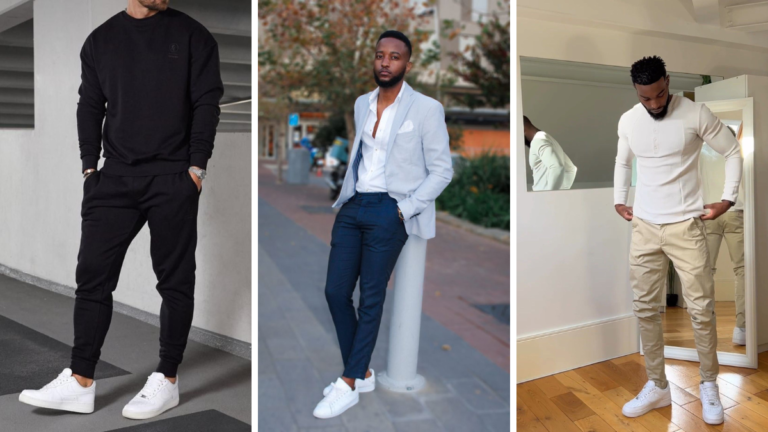
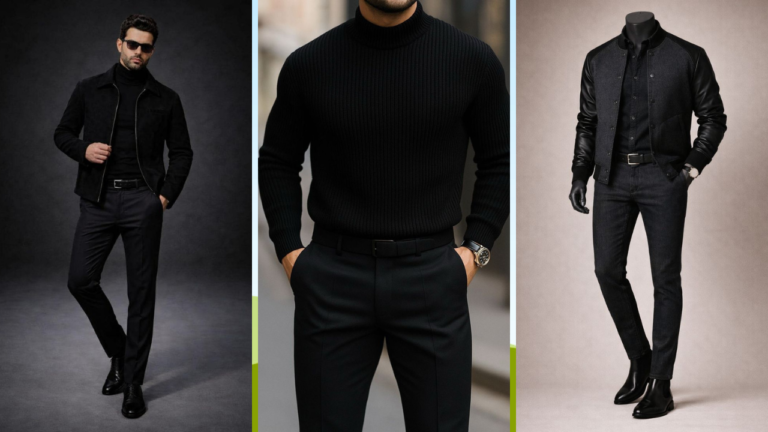
How to Dress Smart Casual for Men: The Complete Guide

Smart casual is the most misunderstood dress code in men’s fashion. Too casual, and you look underdressed. Too formal, and you seem out of touch with the occasion.
Learning how to dress smart casual for men is essential because this versatile style applies to countless situations—first dates, casual Fridays, weekend dinners, networking events, and social gatherings.
The beauty of smart casual lies in its balance: polished enough to show you care about your appearance, yet relaxed enough to feel comfortable and approachable.
This comprehensive guide will break down exactly what smart casual means, which pieces to wear, how to put together foolproof outfits, and how to avoid common mistakes that leave men looking either too sloppy or too stuffy.
Understanding Smart Casual: What It Really Means
Defining Smart Casual
Smart casual sits between casual and business casual on the formality spectrum.
It’s more polished than jeans and a t-shirt but less formal than a suit and tie.
Smart casual is NOT:
- Athletic wear or gym clothes
- Distressed or ripped jeans
- Graphic t-shirts or hoodies
- Flip-flops or athletic sneakers
- Overly baggy or oversized clothing
Smart casual IS:
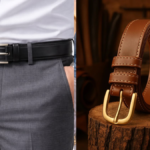
- Clean, well-fitted clothing
- Quality fabrics and materials
- Polished but comfortable footwear
- Thoughtfully coordinated outfits
- Elevated basics with attention to detail
The key is looking intentional—like you put thought into your appearance without trying too hard.
When to Wear Smart Casual
Understanding when smart casual is appropriate helps you dress confidently.
Perfect smart casual occasions:
- Casual office environments
- First dates at nice-casual restaurants
- Weekend brunches or dinners
- Networking events and mixers
- Gallery openings or cultural events
- Casual weddings (when specified)
- Meeting someone’s parents
- Upscale bars or lounges
When the invitation says “smart casual” or when you’re unsure about formality, this dress code is your safe bet.
Essential Smart Casual Pieces Every Man Needs
Smart Casual Tops
Your top half sets the tone for the entire outfit.
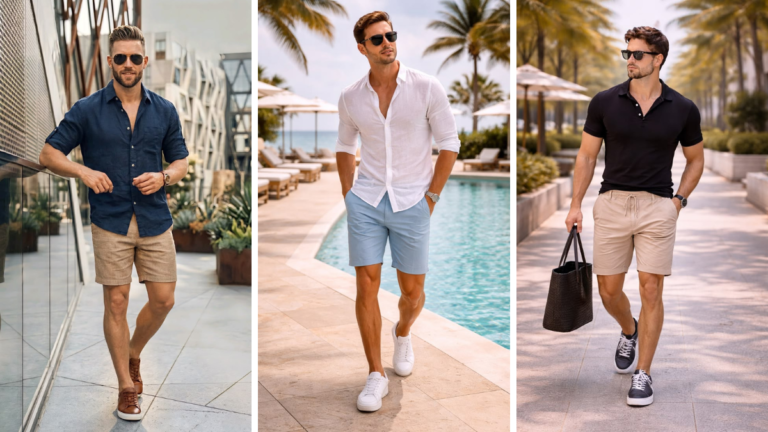
Button-down shirts are the foundation of smart casual dressing.
- Oxford cloth button-downs (white, light blue, pink)
- Chambray shirts (casual but polished)
- Linen shirts for warm weather
- Flannel for cooler months
Choose slim or regular fit—avoid oversized or baggy styles.
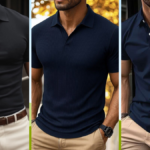
Polos work for more relaxed smart casual settings.
- Solid colors work best (navy, white, gray, burgundy)
- Ensure proper fit (not too tight or baggy)
- Opt for quality fabrics like pique cotton
Knitwear elevates smart casual outfits instantly.
- Crew neck sweaters
- V-neck sweaters (great for layering)
- Cardigans (versatile and sophisticated)
- Quarter-zip sweaters
Choose fine-gauge knits in merino wool or quality cotton for a refined look.
Smart Casual Bottoms
Your pants should be clean, well-fitted, and free from distressing.
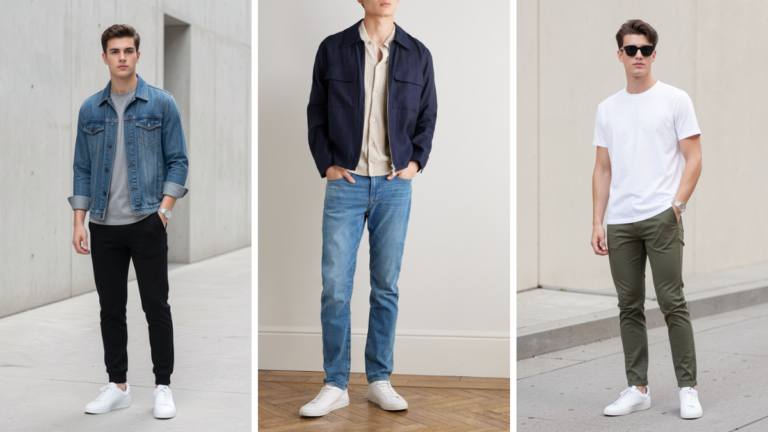
Chinos are the smart casual staple.
- Navy, khaki, gray, and olive are most versatile
- Choose slim or straight fit
- Ensure proper length (slight break or no break)
- Cotton or cotton-blend fabrics work best
Dark jeans work when they’re pristine.
- Dark wash only (no fading or whiskering)
- No rips, tears, or distressing
- Slim or straight fit
- Pair with dressier tops to elevate
Dress pants lean toward business casual but can work.
- Wool or wool-blend trousers
- Gray, navy, or tan colors
- More formal end of smart casual
- Great for professional-leaning events
Smart Casual Footwear
Shoes make or break a smart casual outfit more than any other piece.
Leather shoes are the gold standard.
- Chelsea boots (incredibly versatile)
- Desert boots (casual but refined)
- Loafers (classic and easy)
- Oxford or Derby shoes (dressier option)
- Monk strap shoes (distinctive and stylish)
Choose brown, tan, or burgundy for maximum versatility. Black leather works but feels more formal.
Clean sneakers work for casual-leaning smart casual.
- White leather sneakers (minimalist style)
- Canvas sneakers in neutral colors
- Must be pristine—no visible wear or dirt
- Avoid athletic or running shoes
Avoid these shoes:
- Athletic sneakers with logos
- Boat shoes (too casual for most smart casual)
- Sandals or flip-flops
- Work boots or hiking boots
Smart Casual Outerwear
Layering pieces add polish and functionality.
Blazers instantly elevate any outfit.
- Unstructured blazers in navy, gray, or olive
- Cotton, linen, or lightweight wool
- Wear over button-downs or polos
- Skip the tie for smart casual
Sport coats offer texture and interest.
- Tweed, herringbone, or textured fabrics
- Earth tones and neutral colors
- More casual than suit jackets
Alternative jackets for varied weather.
- Bomber jackets (sleek, modern)
- Harrington jackets (classic British style)
- Field jackets (rugged but refined)
- Leather or suede jackets (elevated edge)
Choose quality materials and proper fit—jackets should fit your shoulders perfectly.
How to Build Smart Casual Outfits
Formula 1: The Classic Smart Casual Look
This timeless combination works for 90% of smart casual occasions.
The formula:
- Light blue Oxford button-down shirt
- Navy or khaki chinos
- Brown leather loafers or Chelsea boots
- Optional: Navy blazer or cardigan
Why it works: Perfect balance of polished and approachable. The neutral palette creates sophistication while remaining accessible.
Variations:
- Swap chinos for dark jeans
- Add a knit tie for slightly more formality
- Layer with a crew neck sweater over the shirt
Formula 2: The Modern Casual Approach
A contemporary take on smart casual with streetwear influence.
The formula:
- White or black crew neck t-shirt (quality fabric)
- Dark wash jeans (no distressing)
- Minimalist white leather sneakers
- Tailored blazer in navy or gray
Why it works: Mixing formal (blazer) with casual (sneakers, t-shirt) creates modern smart casual aesthetic.
Variations:
- Replace t-shirt with plain henley
- Swap jeans for chinos
- Add a casual watch for polish
Formula 3: The Layered Professional Look
Perfect for smart casual settings leaning slightly formal.
The formula:
- White or light-colored dress shirt
- V-neck sweater (navy, gray, or burgundy)
- Gray or navy dress pants
- Brown leather Oxford shoes
Why it works: Layering adds dimension and sophistication. No tie keeps it approachable.
Variations:
- Replace dress pants with chinos for less formality
- Swap V-neck for cardigan
- Add a pocket square for extra polish
Formula 4: The Weekend Smart Casual
Relaxed but intentional for daytime social events.
The formula:
- Chambray or casual button-down shirt (untucked)
- Khaki or olive chinos
- Desert boots or loafers
- Optional lightweight jacket
Why it works: Effortlessly put-together without looking overdressed for weekend activities.
Variations:
- Roll shirt sleeves for casual feel
- Add casual belt matching shoe color
- Layer with thin sweater in cooler weather
Mastering Smart Casual Details
Getting the Fit Right
Proper fit transforms smart casual outfits from acceptable to exceptional.
Shirts should:
- Fit comfortably across shoulders
- Allow movement without pulling
- End at mid-fly (for untucked styles)
- Have sleeves ending at wrist bone
Pants should:
- Sit at natural waist (not hips)
- Fit comfortably in the seat and thighs
- Have minimal break at shoes (or no break)
- Not bunch excessively at ankles
Jackets should:
- Align perfectly with shoulder line
- Close without pulling
- Show 1/4-1/2 inch of shirt cuff
- End around thumb knuckle when arms hang naturally
When in doubt, get items tailored—even minor adjustments dramatically improve appearance.
Color Coordination for Smart Casual
Mastering how to dress smart casual for men includes understanding color harmony.
Safe neutral combinations:
- Navy pants + white shirt + brown shoes
- Gray pants + light blue shirt + burgundy shoes
- Khaki pants + navy shirt + tan shoes
- Olive pants + white shirt + brown shoes
Adding color strategically:
- Keep pants neutral (navy, gray, khaki)
- Introduce color through shirts or knitwear
- Burgundy, forest green, and rust work well
- Limit outfit to three colors maximum
Seasonal adjustments:
- Spring/Summer: Lighter colors, pastels, brighter tones
- Fall/Winter: Deeper colors, earth tones, richer hues
Accessorizing Smart Casual Outfits
Subtle accessories complete smart casual looks without overdoing it.
Essential accessories:
- Leather belt matching shoe color
- Simple watch (leather strap or metal bracelet)
- Wedding ring if applicable
Optional accessories:
- Leather messenger bag or briefcase
- Sunglasses (classic styles)
- Pocket square (blazer occasions)
- Simple bracelet or necklace
Avoid:
- Multiple bracelets or necklaces
- Baseball caps
- Backpacks (unless high-quality leather)
- Novelty accessories
Keep accessories minimal and intentional—less is more in smart casual dressing.
Common Smart Casual Mistakes to Avoid
Mistake 1: Being Too Casual
The most common error is dressing down too much.
Examples of too casual:
- Wearing athletic sneakers instead of leather shoes
- Choosing graphic t-shirts over plain or button-downs
- Wearing distressed jeans instead of clean chinos
- Showing up in hoodies or sweatpants
The fix: When unsure, dress slightly more formal. You can always remove a jacket or roll up sleeves, but you can’t dress up a t-shirt and sneakers.
Mistake 2: Being Too Formal
Overdressing creates equal awkwardness.
Examples of too formal:
- Wearing a full suit with tie
- Choosing dress shoes so shiny they look out of place
- Over-accessorizing with cufflinks and tie clips
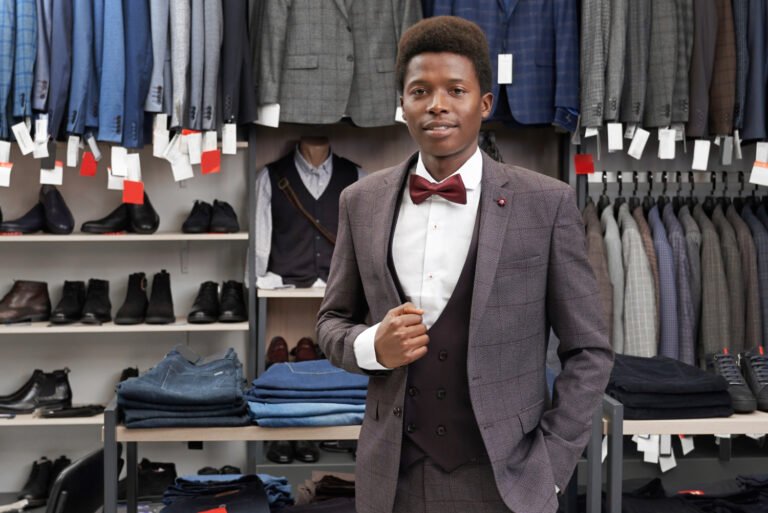
- Wearing three-piece suits
The fix: Skip the tie. Choose unstructured blazers instead of suit jackets. Opt for brown leather shoes instead of formal black oxfords.
Mistake 3: Neglecting Shoe Quality
Nothing undermines smart casual like inappropriate footwear.
The fix: Invest in quality leather shoes. Keep them clean and polished. If wearing sneakers, ensure they’re minimalist leather styles in pristine condition.
Mistake 4: Ignoring Grooming
Excellent clothing can’t overcome poor grooming.
The fix: Ensure clean haircut, trimmed facial hair, clean nails, and fresh breath. Smart casual includes personal presentation, not just clothing.
Mistake 5: Wearing Ill-Fitting Clothes
Baggy or overly tight clothing ruins the smart casual aesthetic.
The fix: Try everything on before buying. Get alterations when needed. Proper fit is non-negotiable for smart casual success.
Mistake 6: Forgetting Context
Not all smart casual situations are identical.
The fix: Consider the specific event. Meeting parents leans more formal. Casual Friday leans more relaxed. Adjust accordingly while staying within smart casual boundaries.
Frequently Asked Questions
Can I wear jeans for smart casual?
Yes, but only dark wash jeans without distressing, rips, or fading. Pair them with dressier tops like button-downs or blazers, and wear leather shoes instead of sneakers. Save light-wash or distressed jeans for purely casual occasions. The darker and cleaner the denim, the more appropriate for smart casual.
Are sneakers acceptable for smart casual?
Minimalist white leather sneakers work for casual-leaning smart casual events. Avoid athletic sneakers, running shoes, or heavily branded styles. When in doubt, choose leather shoes—they’re always appropriate and elevate your look instantly. Save sneakers for truly casual smart casual situations like weekend brunches.
Should I tuck in my shirt for smart casual?
Button-down shirts can go either way depending on context. Tuck in dress shirts with chinos or dress pants for a polished look. Leave casual button-downs untucked with jeans for relaxed smart casual. Ensure untucked shirts are proper length—ending at mid-fly. T-shirts and polos stay untucked.
What’s the difference between smart casual and business casual?
Business casual is more formal—think dress pants, dress shirts, and leather shoes (no jeans or sneakers). Smart casual allows dark jeans, polo shirts, and occasionally clean sneakers. Business casual suits professional office environments; smart casual fits social and semi-professional settings. Smart casual has more flexibility and personal expression.
Can I wear a tie with smart casual?
Generally avoid ties for smart casual—they push outfits toward business casual or formal territory. The whole point of smart casual is polished but relaxed. If you want extra polish, add a blazer or quality knitwear instead. Ties are only appropriate if specifically requested or for formal-leaning smart casual events.
Conclusion
Mastering how to dress smart casual for men comes down to understanding balance—polished without being formal, relaxed without being sloppy.
Build your foundation with quality basics: button-down shirts, chinos, dark jeans, and leather shoes. Focus obsessively on proper fit, as this makes budget pieces look expensive and elevates your entire appearance.
Remember that smart casual adapts to context. Meeting parents or attending upscale venues calls for blazers and leather shoes. Weekend gatherings allow for more relaxed interpretations with clean sneakers and untucked shirts.
Start with the proven formulas in this guide, then adapt them to your personal style and the specific situations you encounter.
With these principles, you’ll navigate smart casual dress codes confidently, looking appropriate and stylish for any occasion that calls for this versatile dress code.
Related Articles You Might Like: