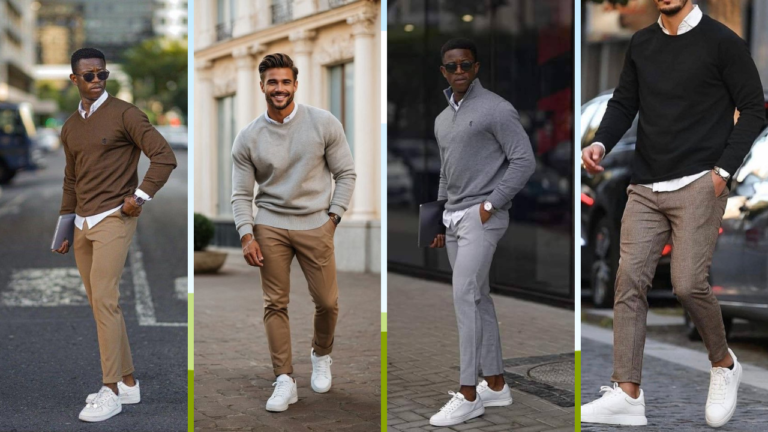
Simple Fashion Rules Every Man Should Follow
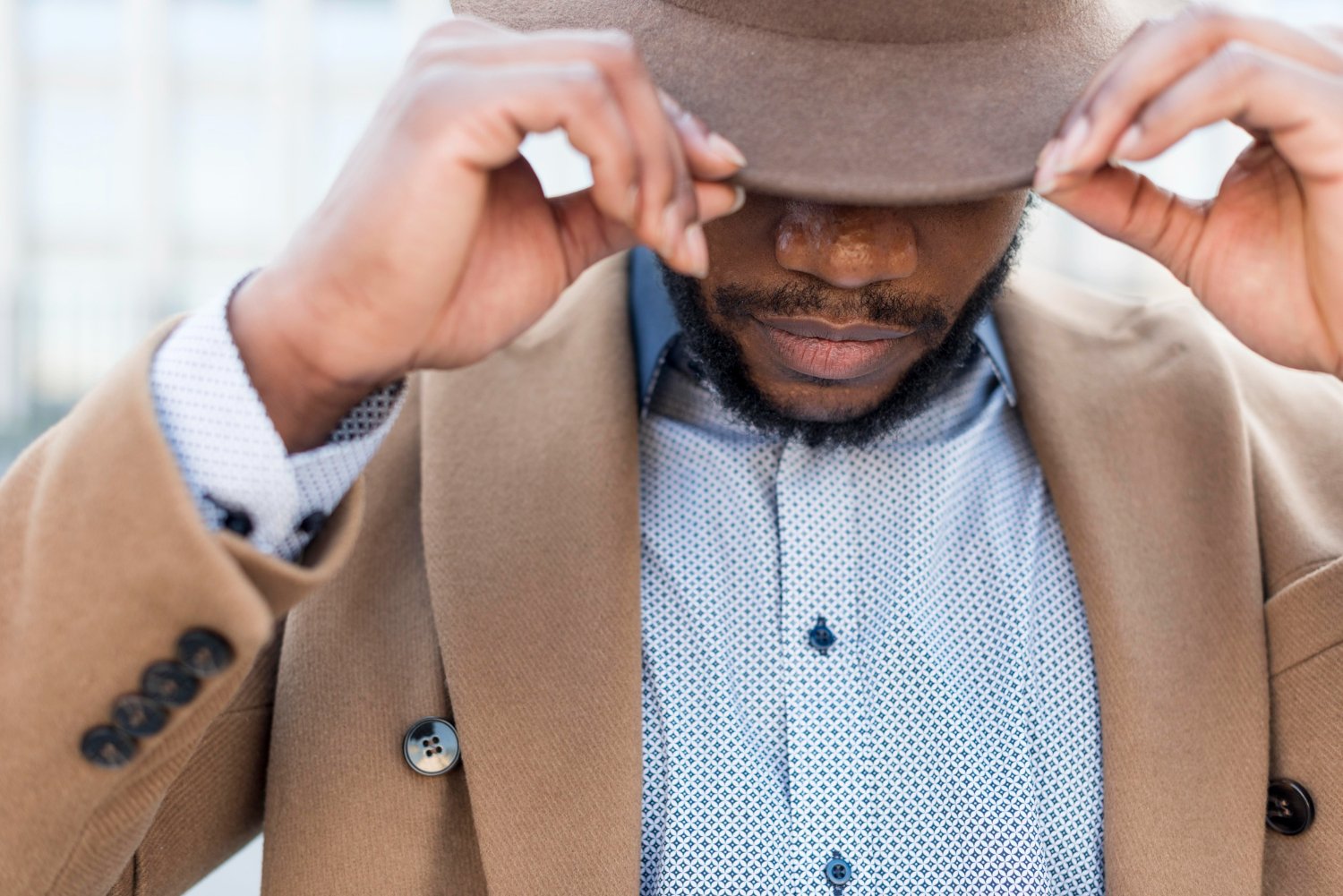
Getting dressed shouldn’t feel like solving a complex puzzle every morning. Yet many men struggle with basic style decisions because they’ve never learned the simple fashion rules every man should follow to look put-together and confident.
The truth is, looking sharp doesn’t require an extensive wardrobe, expensive designer pieces, or an innate sense of style.
It comes down to understanding and applying a handful of straightforward principles that work for any body type, budget, or lifestyle.
This beginner-friendly guide breaks down the essential fashion rules that will transform how you dress, eliminating guesswork and helping you look your best in any situation.
The Foundation: Fit is Everything
Why Fit Matters More Than Brand
The single most important fashion rule is this: fit trumps everything else.
A $30 t-shirt that fits perfectly looks better than a $300 designer shirt that’s too big or too small.
Proper fit makes you appear taller, slimmer, and more confident. Poor fit does the opposite, regardless of how much you spent.
Signs of proper fit:
- Shoulders align with your natural shoulder line
- Sleeves end at your wrist bone, not covering your hands
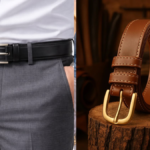
- Shirt hem covers your belt when standing
- Pants sit at your natural waist without bunching
- No excessive fabric pooling anywhere
Know Your Measurements
Every man should know these basic measurements:
- Neck size (for dress shirts)
- Chest circumference
- Waist size (actual waist, not where pants sit)
- Inseam length
- Sleeve length
Knowing these numbers makes shopping easier and ensures better fit when buying online.
When to Tailor
Not everything needs tailoring, but these alterations transform your look:
Always tailor:
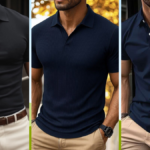
- Suit jackets and blazers
- Dress pants that are too long
- Shirts that are too baggy in the torso
Consider tailoring:
- Jeans that are too long (hemming costs $10-15)
- Casual shirts that are slightly oversized
A good tailor is one of the best investments in your wardrobe, turning decent clothes into custom-looking pieces.
Essential Wardrobe Rules
The Neutral Base Principle
Build your wardrobe foundation with neutral colors that mix and match effortlessly.
Core neutral colors:
- Navy blue
- Gray (multiple shades)
- White and off-white
- Black
- Brown and tan
- Olive green
These colors form the backbone of your wardrobe, creating dozens of outfit combinations with minimal pieces.
Add color strategically through accent pieces once your neutral foundation is solid.
Quality Over Quantity
One of the most important simple fashion rules every man should follow is prioritizing quality over quantity.
Five well-made pieces create more outfits than twenty cheap items that fall apart quickly.
Invest more in:
- Items you wear frequently (jeans, everyday shoes)
- Pieces that touch your skin (underwear, undershirts)
- Classic items that don’t go out of style (leather jackets, dress shoes)
- Outerwear that faces weather exposure
Spend less on:
- Trendy pieces you’ll wear one season
- Formal wear you rarely need
- Clothing you’re still experimenting with
The Capsule Wardrobe Approach
A capsule wardrobe contains versatile essentials that work together seamlessly.
Minimum essentials:
- 3-4 plain t-shirts in neutral colors
- 2 button-down shirts (white and light blue)
- 2 pairs of jeans (dark wash and medium wash)
- 1 pair of chinos (navy or khaki)
- 1 sweater or hoodie
- 1 versatile jacket
- White sneakers
- Casual leather shoes
- Dress shoes
This minimal collection creates complete outfits for virtually any casual or semi-formal situation.
Color and Pattern Coordination Rules
Stick to Three Colors Maximum
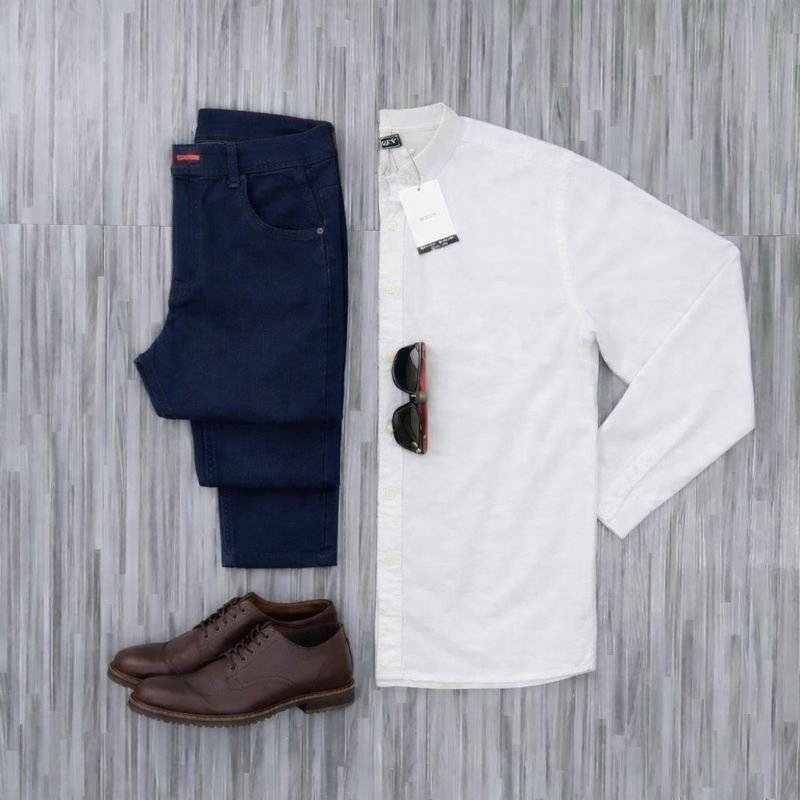
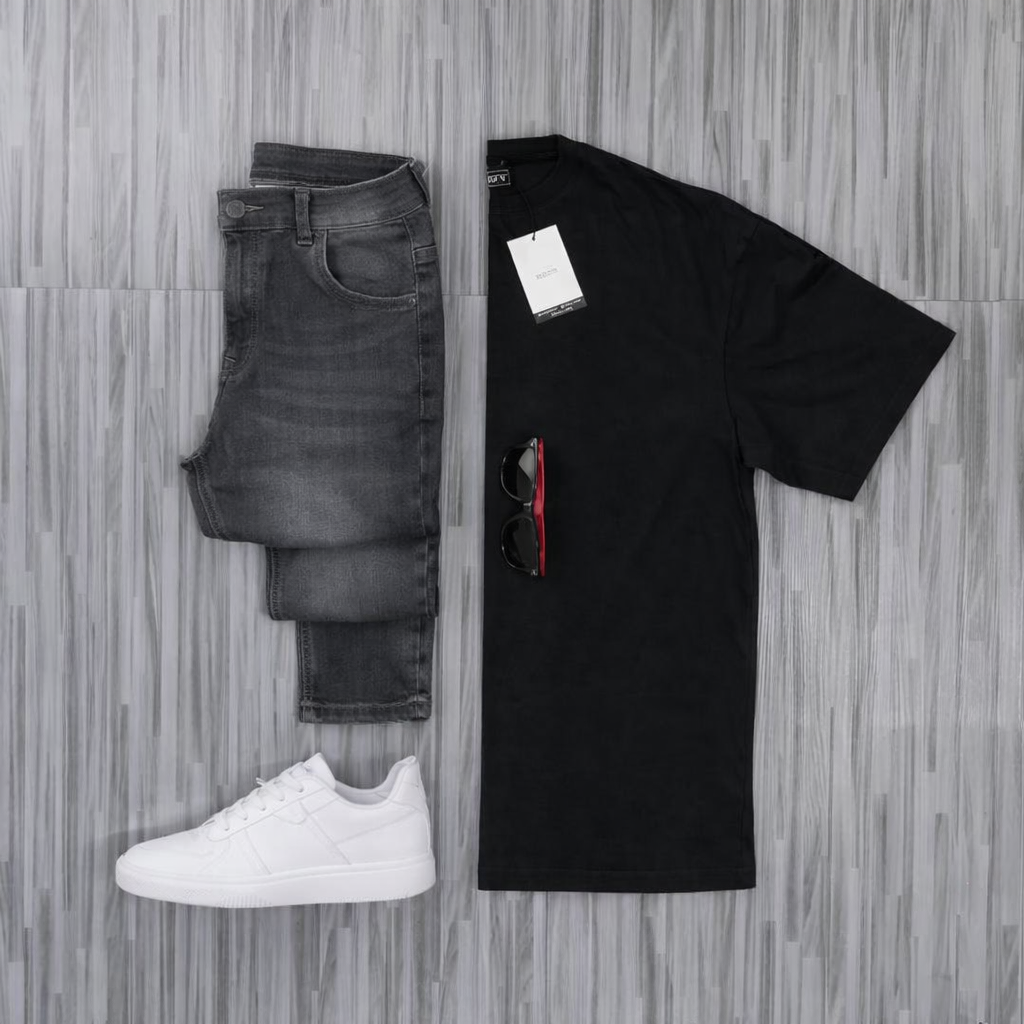
Limit your outfit to three colors to maintain visual harmony.
This includes everything you’re wearing—pants, shirt, shoes, jacket, and accessories.
Example combinations:
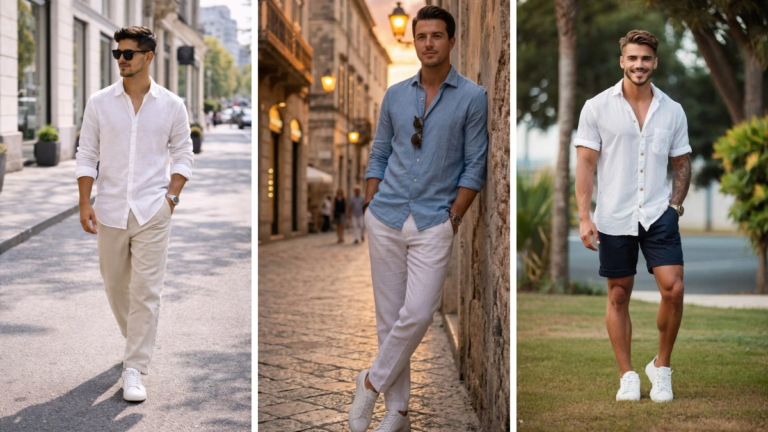
- Navy pants + white shirt + brown shoes
- Gray jeans + black t-shirt + white sneakers
- Khaki chinos + burgundy sweater + navy jacket
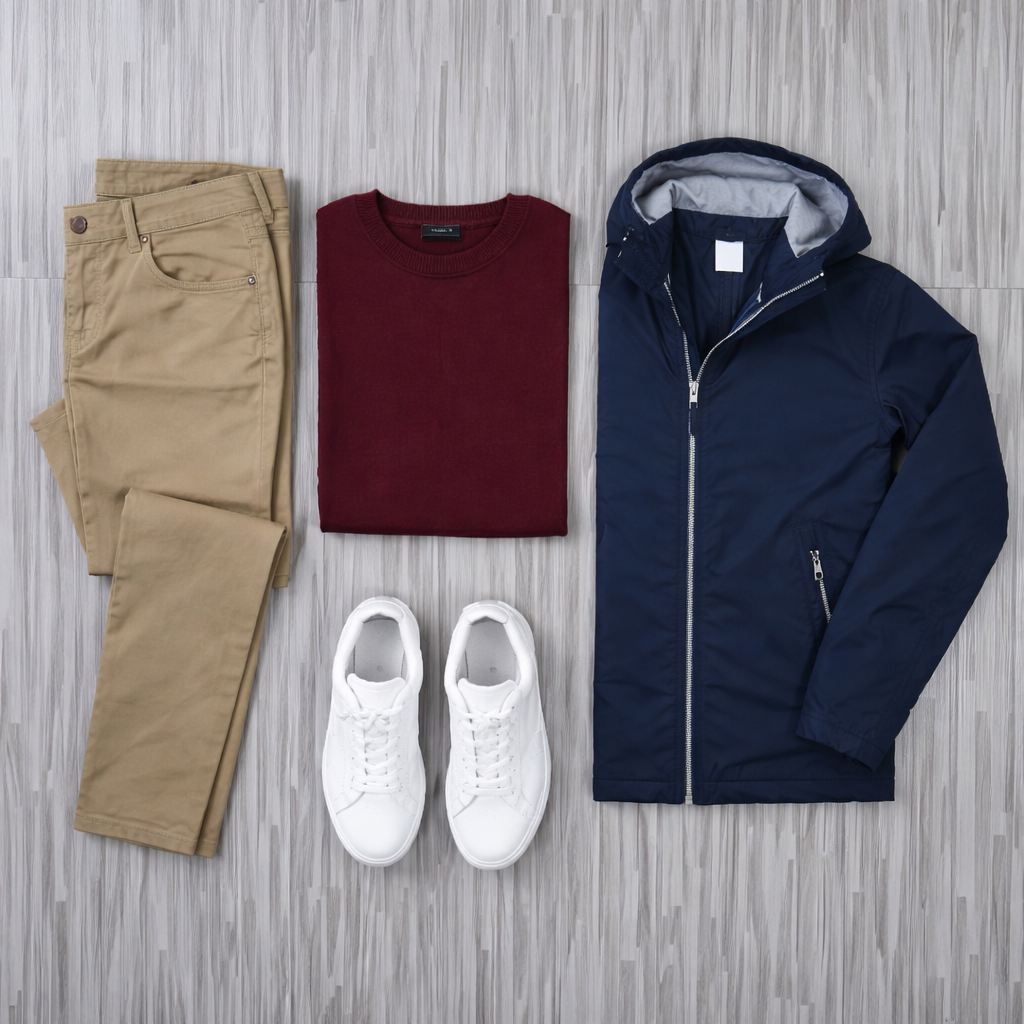
Your accessories should complement existing colors rather than introducing new ones.
Pattern Mixing Guidelines
Patterns add visual interest but require careful coordination.
Safe pattern rules:
- Only one patterned piece per outfit when starting out
- If mixing patterns, vary the scale (small pattern with large pattern)
- Keep patterns in the same color family
- Always pair patterns with solid neutrals
Example: Striped shirt (small pattern) + solid navy pants + solid shoes works. Striped shirt + plaid pants creates chaos.
Contrast Creates Definition
Your outfit needs contrast to avoid looking flat or washed out.
Create contrast through:
- Light top with dark bottom (or vice versa)
- Different textures (smooth cotton shirt with textured wool pants)
- Color variation (not wearing all the same shade)
The classic light blue shirt with dark jeans works because of clear contrast between top and bottom.
Occasion-Appropriate Dressing
Understand Dress Codes
Different situations require different formality levels, and following these simple fashion rules every man should follow helps you navigate them confidently.
Casual: Jeans, t-shirts, sneakers, hoodies
Smart casual: Chinos, button-downs, casual shoes, sweaters
Business casual: Dress pants, dress shirts, leather shoes, blazers optional
Business formal: Suits, dress shoes, ties
Black tie: Tuxedos only
When in doubt, dress slightly more formally. You can always remove a jacket or roll up sleeves.
Context Matters
Consider where you’re going and what you’ll be doing.
First date: Smart casual—fitted jeans, button-down, clean sneakers or casual leather shoes
Job interview: One level above company dress code—if they wear business casual, wear a suit
Weekend brunch: Casual but neat—fitted t-shirt, clean jeans, white sneakers
Wedding guest: Follow invitation guidance—”cocktail attire” means suit, “beach formal” means linen suit
Appropriateness shows respect and awareness, both attractive qualities.
Grooming and Maintenance Rules
Clothing Care Basics
How you maintain your clothes matters as much as what you wear.
Essential care habits:
- Wash darks in cold water to prevent fading
- Hang dress shirts and jackets immediately after wearing
- Fold knits (sweaters, t-shirts) instead of hanging to prevent stretching
- Rotate shoes—don’t wear the same pair daily
- Iron or steam shirts before wearing
- Polish leather shoes regularly
Well-maintained budget clothes look better than neglected expensive pieces.
Address Damage Immediately
Small problems become big ones if ignored.
Fix these issues right away:
- Loose buttons
- Small holes or tears
- Stains (treat within 24 hours)
- Frayed hems
- Broken zippers
Learning basic repairs like sewing buttons saves money and extends clothing life significantly.
Personal Grooming Non-Negotiables
Your clothes are only part of your overall appearance.
Basic grooming standards:
- Clean, trimmed nails
- Maintained facial hair (cleanly shaven or deliberately styled)
- Regular haircuts
- Fresh breath
- Clean teeth
- Subtle or no cologne
The best outfit can’t overcome poor personal hygiene. These basics are foundational.
Common Fashion Mistakes to Avoid
Mistake 1: Wearing Clothes That Don’t Fit
This is the most common and most damaging mistake men make.
The fix: Try everything on before buying. If something doesn’t fit perfectly in the store, it won’t magically fit at home. Don’t buy clothes hoping to lose weight or expecting they’ll stretch.
Mistake 2: Ignoring Proportions
Wearing all baggy or all tight clothing throws off your proportions.
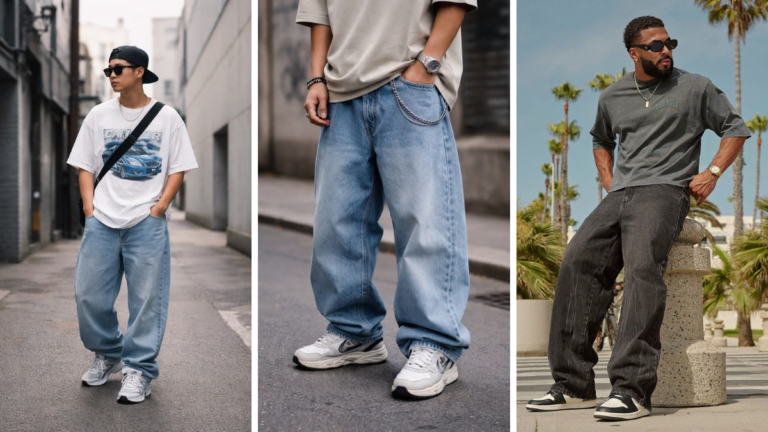
The fix: Balance your silhouette. If wearing looser pants, wear a more fitted shirt. If wearing slim jeans, a regular-fit shirt works better than skin-tight.
Mistake 3: Over-Accessorizing
Too many accessories create visual clutter and look try-hard.
The fix: Limit accessories to 2-3 items maximum. A watch, simple necklace, and wedding ring is enough. More than that risks looking overdone.
Mistake 4: Wearing Wrinkled or Stained Clothes
Nothing ruins an outfit faster than wrinkles or visible stains.
The fix: Iron or steam clothes before wearing. Treat stains immediately. If something is damaged beyond repair, donate or discard it rather than continuing to wear it.
Mistake 5: Following Trends Blindly
Not every trend works for every body type or personal style.
The fix: Adapt trends to your style rather than wholesale adoption. If oversized is trending but doesn’t suit you, stick with your regular fit. Classic style always outlasts trends.
Mistake 6: Matching Too Perfectly
Matching your shirt to your shoes, or your belt to your watch looks overly coordinated.
The fix: Coordinate colors within the same family without exact matching. Brown shoes with a brown belt is fine, but they don’t need to be identical shades.
Practical Style Tips for Daily Success
The Outfit Test
Before leaving home, ask yourself these questions:
- Does everything fit properly?
- Are my clothes clean and wrinkle-free?
- Are my shoes appropriate and clean?
- Am I wearing more than three colors?
- Is this appropriate for where I’m going?
If you answer “no” to any question, adjust accordingly.
Build Outfit Formulas
Create go-to combinations that always work, eliminating daily decision fatigue.
Example formulas:
- Dark jeans + white t-shirt + navy bomber + white sneakers
- Khaki chinos + light blue button-down + brown leather shoes
- Gray pants + black sweater + white sneakers
- Navy chinos + white shirt + olive jacket + brown boots
Having 5-10 proven formulas makes getting dressed effortless.
Dress for Your Body Type
Understanding your body shape helps you choose flattering fits.
Shorter men: Avoid baggy clothes; stick to fitted pieces that elongate
Taller men: Layer pieces to break up vertical lines
Heavier builds: Darker colors and vertical lines create slimming effects
Athletic builds: Avoid overly tight clothes that look like you’re trying too hard
The goal is balance and proportion, regardless of your starting point.
Frequently Asked Questions
How many clothes does a man really need?
A functional wardrobe needs surprisingly little—30-40 pieces creates hundreds of outfit combinations. This includes 8-10 shirts, 5-6 pants, 3-4 shoes, 2-3 jackets, and accessories. Quality and versatility matter more than quantity. Focus on building a solid foundation before expanding.
Should I tuck in my shirt or leave it untucked?
Tuck in dress shirts and button-downs with dress pants or chinos for formal/business settings. Leave casual shirts (t-shirts, polos, short-sleeved button-downs) untucked with jeans or shorts. The shirt’s hem length matters—if it extends past your rear pockets, it’s designed to be tucked.
What’s the one thing I should never wear?
Avoid clothes that are damaged, stained, or don’t fit properly. Beyond that, avoid overly graphic t-shirts with offensive messages, cargo shorts in professional settings, and athletic wear when not exercising. Context matters more than blanket rules—gym clothes belong at the gym, not dinner dates.
How do I know if my clothes fit correctly?
You should be able to move comfortably without restriction or excess fabric. Shoulders shouldn’t extend past your natural shoulder line. Sleeves should end at your wrist. Pants shouldn’t bunch excessively at the ankles. If you’re constantly adjusting or pulling at something, the fit is wrong.
Is it okay to wear the same outfit twice in one week?
Absolutely. Repeating outfits is normal and practical. Rotate your pieces throughout the week rather than wearing identical outfits on consecutive days. Most people won’t notice or care. Building a versatile wardrobe means having pieces you genuinely want to wear repeatedly.
Conclusion
Following these simple fashion rules every man should follow doesn’t require a complete wardrobe overhaul or massive spending.
Start with proper fit—this alone transforms your appearance dramatically. Build a foundation of neutral, versatile basics that mix and match effortlessly. Maintain your clothes properly so everything looks fresh and intentional.
Remember that style is about looking appropriate, comfortable, and confident rather than trendy or expensive.
Master these fundamental principles before worrying about advanced styling techniques or following fashion trends. Once these rules become habits, getting dressed becomes effortless and enjoyable.
The goal isn’t perfection—it’s presenting the best version of yourself consistently, regardless of budget or occasion.
Related Articles You Might Like: