How to Dress Well as a Man on a Tight Budget
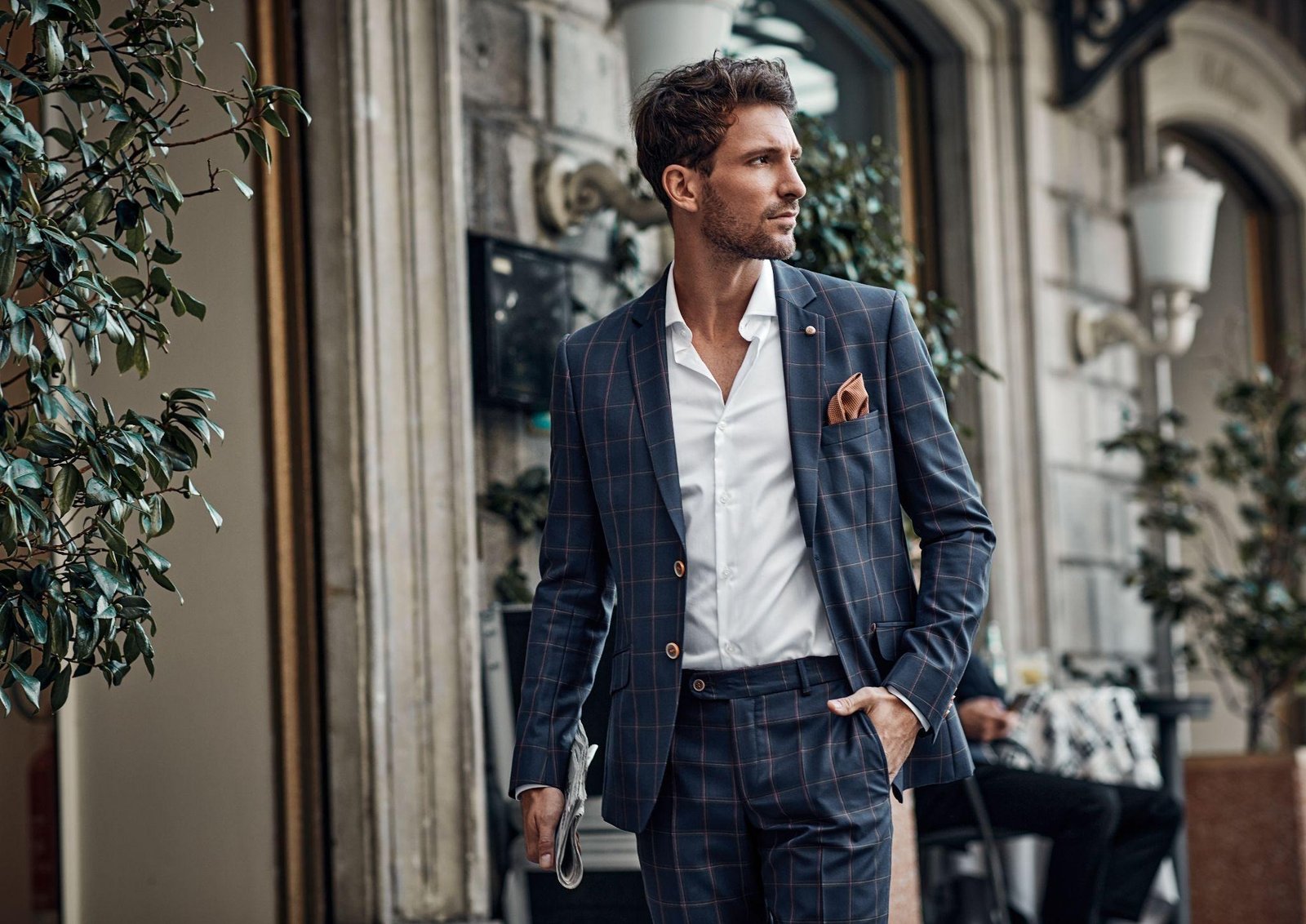
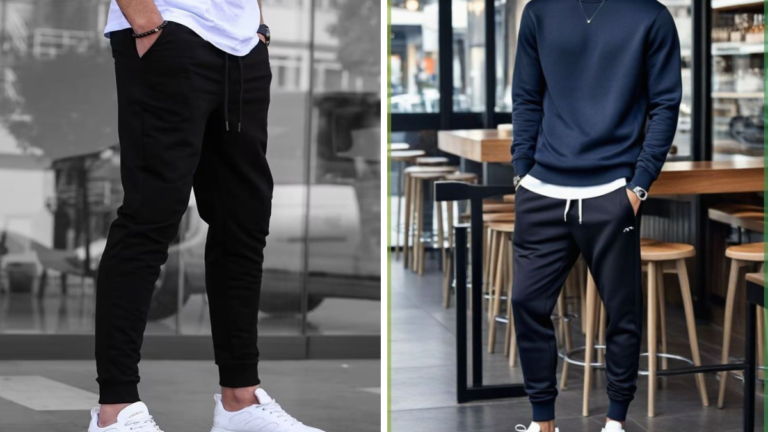
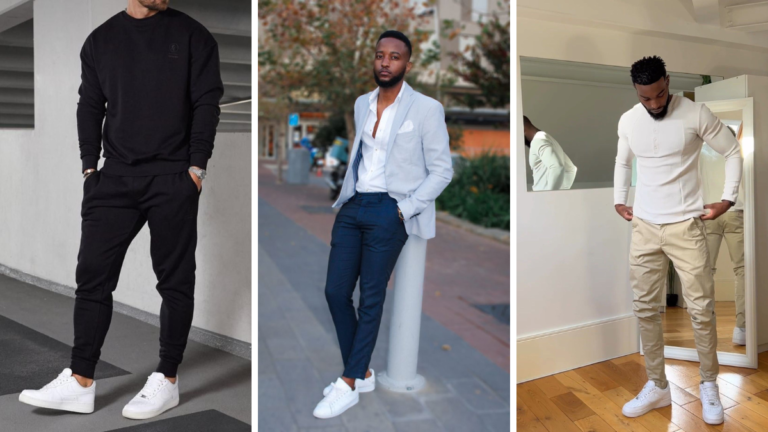
Looking sharp doesn’t require an expensive wardrobe or designer labels. Learning how to dress well as a man on a tight budget is entirely possible when you focus on smart shopping strategies, timeless pieces, and understanding what truly works for your body and lifestyle.
Whether you’re a student, starting your career, or simply want to be more mindful with your spending, this guide will show you how to build a stylish wardrobe without breaking the bank.
The key is making intentional choices, investing in versatile basics, and knowing where to find quality clothing at affordable prices.
Understanding Budget-Friendly Style Fundamentals
Quality Over Quantity
The biggest mistake men make when shopping on a budget is buying too many cheap items that fall apart quickly.

Instead, focus on fewer, better-quality pieces that last longer.
One well-made pair of jeans that fits perfectly is worth more than three poorly-made pairs that lose shape after a few washes.
Look for:
- Durable fabrics like 100% cotton, cotton blends, or quality synthetics
- Reinforced stitching at stress points
- Functional buttons and zippers that feel sturdy
- Clothing that maintains its shape and color after washing
The Power of Fit
No matter how much you spend, ill-fitting clothes always look cheap.
Properly fitted clothing instantly elevates your appearance and makes even budget pieces look expensive.
Focus on these fit basics:
- Shoulders should align with your natural shoulder line
- Sleeves should end at your wrist bone
- Pants should sit comfortably at your natural waist
- Shirt length should cover your belt when standing
Consider learning basic alterations or finding an affordable local tailor. Spending $10-15 to hem pants or take in a shirt transforms budget finds into custom-looking pieces.
Building Your Budget Wardrobe: Essential Pieces
Start With Neutral Basics
Your foundation should consist of versatile, neutral-colored items that mix and match effortlessly.
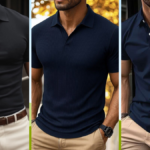
Essential tops:
- 3-4 plain t-shirts (white, black, gray, navy)
- 2-3 button-down shirts in solid colors
- 1 casual sweater or hoodie
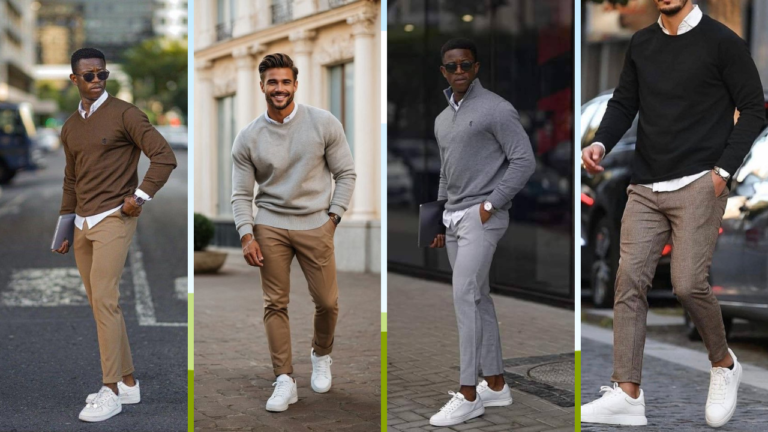
- 1 dressier sweater (crew neck or v-neck)
Essential bottoms:
- 2 pairs of well-fitting jeans (dark wash and medium wash)
- 1 pair of chinos (navy, khaki, or gray)
- 1 pair of dress pants for formal occasions
Essential outerwear:
- 1 versatile jacket (denim, bomber, or casual blazer)
- 1 weather-appropriate coat
Essential footwear:
- 1 pair of white sneakers
- 1 pair of casual leather shoes or boots
- 1 pair of dress shoes
This capsule wardrobe creates dozens of outfit combinations while keeping costs manageable.
Where to Find Affordable Quality Clothing
Smart shopping means knowing where to look for the best value.
Thrift stores and consignment shops offer gently-used clothing at fraction of original prices. You’ll often find high-quality brands that would cost 10 times more new.
Outlet stores carry previous season items from quality brands at significant discounts. Visit during additional sale periods for maximum savings.
Fast fashion retailers work for trendy pieces you’ll wear occasionally, but avoid relying on them for wardrobe staples.
Online marketplaces like Poshmark, Depop, or eBay let you find specific brands and styles at reduced prices.
End-of-season sales are perfect for stocking up. Buy winter coats in March and summer clothes in September for 50-70% off.
Common Mistakes Men Make When Dressing on a Budget
Mistake 1: Buying Everything on Sale
Just because something is discounted doesn’t mean you need it.
The fix: Ask yourself if you’d buy it at full price. If the answer is no, it’s not worth your money even on sale.
Mistake 2: Ignoring Fabric Quality
Cheap polyester shirts may seem like bargains, but they wear poorly, pill quickly, and look low-quality.
The fix: Read labels and feel fabrics before buying. Natural fibers or quality blends typically last longer.
Mistake 3: Skipping Maintenance
Not caring for your clothes properly shortens their lifespan dramatically.
The fix: Follow care instructions, hang dress shirts, fold knits, and repair small issues before they become big problems.
Mistake 4: Following Every Trend
Chasing trends burns through your budget quickly and leaves you with unwearable pieces next season.
The fix: Stick to classic styles that remain fashionable for years. Add trends sparingly through accessories or affordable pieces.
Mistake 5: Wearing Damaged Clothing
Stained, wrinkled, or torn clothes make any outfit look sloppy regardless of price.
The fix: Keep clothes clean, ironed, and in good repair. This simple step makes budget clothing look significantly better.
Practical Money-Saving Style Tips
Master the Art of Layering
Layering extends your wardrobe by creating new looks from existing pieces.
A simple white t-shirt works alone in summer, under a button-down in fall, and beneath a sweater in winter.
This maximizes the value of every purchase.
Invest Strategically
Put more money toward items you wear frequently and less toward occasional pieces.
If you wear jeans daily, spend more on quality denim. If you rarely attend formal events, buy budget dress clothes.
Learn Basic DIY Skills
Simple skills save money and personalize your style:
- Sewing on buttons
- Hemming pants
- Removing stains
- Ironing properly
- Polishing shoes
These take minimal time to learn but extend clothing life significantly.
Shop Off-Season
Retailers deeply discount seasonal items when clearing inventory.
Buy winter coats in spring, shorts in fall, and holiday party wear in January.
Planning ahead yields dramatic savings.
Use the Cost-Per-Wear Formula
Calculate true value by dividing item cost by times you’ll wear it.
A $50 jacket worn 100 times costs $0.50 per wear. A $20 shirt worn twice costs $10 per wear.
This perspective helps justify spending more on versatile staples while avoiding impulse purchases.
Frequently Asked Questions
How much should I budget monthly for clothes?
Start with $50-100 monthly if possible, or save $300-600 for seasonal shopping trips. Focus on building gradually rather than buying everything at once. Prioritize replacing worn-out essentials before adding new pieces.
Can I look professional on a tight budget?
Absolutely. Focus on fit, cleanliness, and classic pieces. One well-fitted suit from a budget retailer, maintained properly, looks more professional than an expensive suit that fits poorly. Invest in quality dress shoes and keep everything clean and pressed.
Are expensive brands worth it when on sale?
Sometimes. Quality brands on deep discount (60%+ off) can offer better value than cheap alternatives at full price. However, evaluate each item individually rather than buying based solely on brand names. Focus on construction quality and versatility.
How do I know if thrift store clothes are good quality?
Check seams for loose threads, test zippers and buttons, examine fabric for pills or thin spots, and look for stains or damage. Research quality brands online so you recognize them while thrifting. Natural fiber content usually indicates better quality.
What’s the one thing I should spend more on?
Shoes. Quality footwear lasts significantly longer, provides better support, and dramatically impacts your overall appearance. Even on a budget, allocate more resources to shoes than most other items. Well-maintained leather shoes can last years.
Conclusion
Dressing well as a man on a tight budget comes down to making smart choices rather than spending big money.
Focus on building a foundation of versatile, well-fitting basics in neutral colors. Shop strategically at thrift stores, outlets, and end-of-season sales. Maintain your clothing properly to extend its life.
Remember that style isn’t about expensive labels—it’s about fit, coordination, and presenting yourself with confidence.
Start small, build gradually, and prioritize quality over quantity. With these strategies, you’ll develop a wardrobe that looks sharp and serves you well without straining your finances.