Funeral Attire for Men: A Respectful and Complete Style Guide
Nobody wants to be thinking about what to wear when they’re grieving. And yet, here you are — because you care enough about showing up the right way to look it up.
That already says something good about you.
Dressing for a funeral isn’t about fashion. It’s about respect — for the person who’s gone, for their family, and for the gravity of the moment.
The goal is to be present without being noticed, to show that you took this seriously without making your outfit the thing anyone remembers.

In this guide, I’ve covered everything you need to know about funeral attire for men — from the classic choices to what to wear when you don’t own a suit, how to dress for different types of services, what the family might specifically request, and the small details that quietly matter more than you’d expect.
What Should Men Wear to a Funeral?
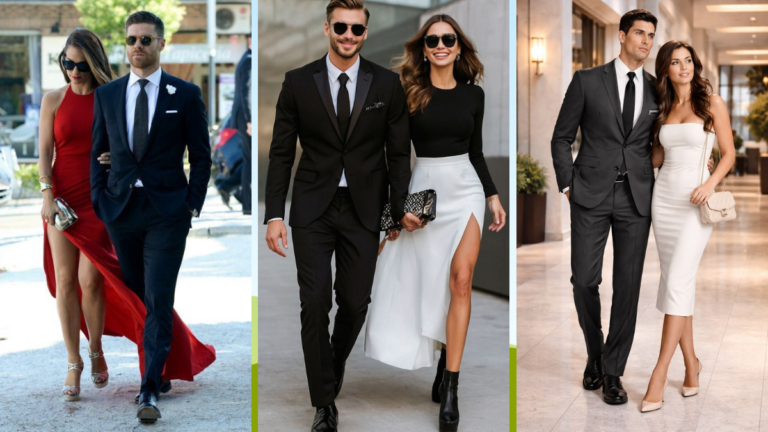
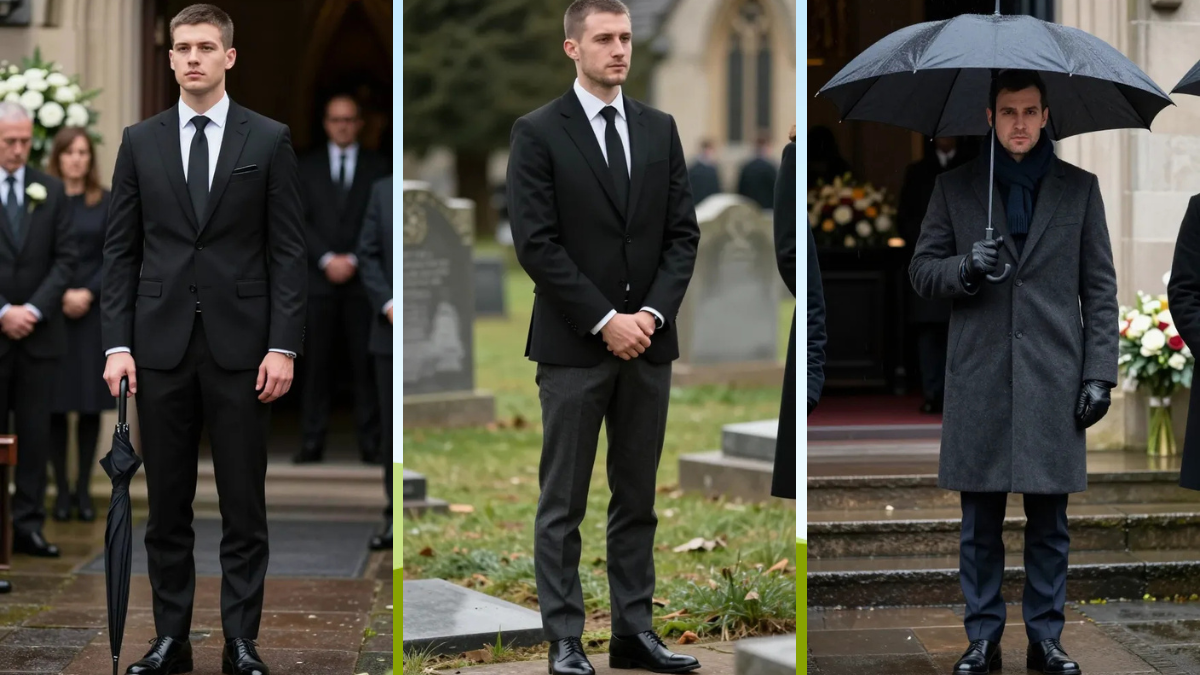
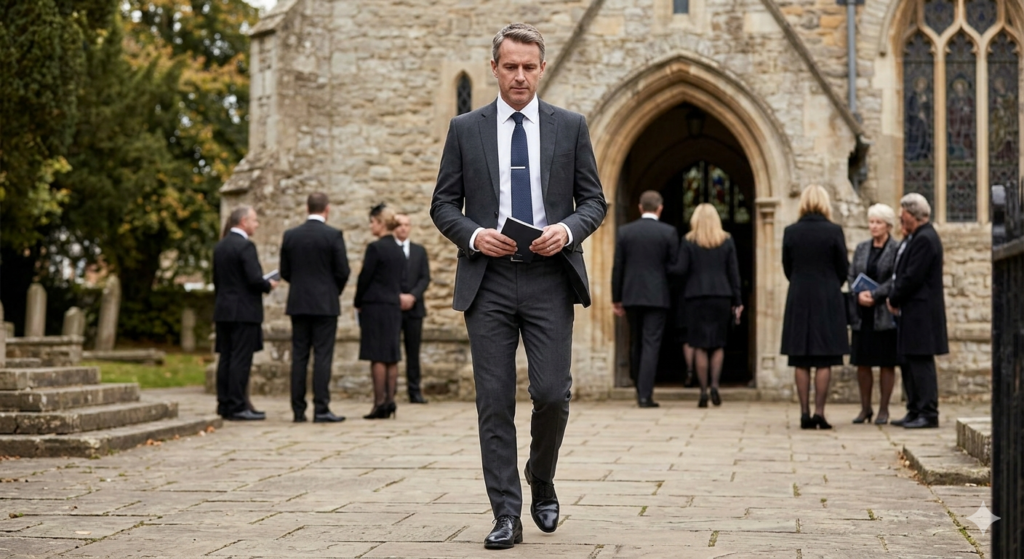
The traditional and most respectful choice for men is a dark suit — navy, charcoal, or black — with a white or pale dress shirt, a dark or muted tie, and polished black shoes.
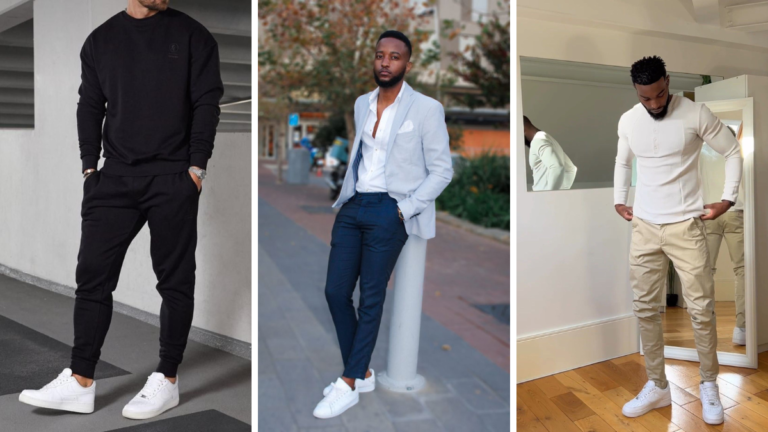
If you don’t own a suit, dark trousers with a dark blazer and a dress shirt are an appropriate alternative.
The general rule is: muted colors, conservative fit, and nothing that draws attention to itself. When in doubt, always err on the side of more formal rather than less.
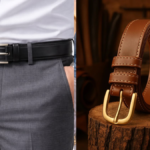
The Classic Funeral Outfit for Men — And Why It Still Works
There’s a reason the dark suit has been the standard for funeral dress codes for generations. It’s not about following an outdated rule for the sake of it — it’s about what that choice communicates without words.
A dark, well-fitted suit says: I showed up. I took this seriously. I’m here for you, not for myself.
That’s the entire point.
The outfit:
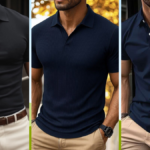
- A dark suit — black, charcoal, or navy (in that order of formality)
- A white or pale blue dress shirt
- A dark or muted tie — solid black, deep navy, charcoal, or a subtle dark pattern
- Black Oxford or Derby shoes, polished
- Dark dress socks — always match your trousers
- A plain white pocket square if you use one — folded flat, not fanned
Why each element matters:
The suit establishes the tone. Black is the most traditional choice, but charcoal and navy are both entirely appropriate and widely worn. Avoid light grey, beige, or any suit in a bold color — the point is to blend into the solemnity of the occasion, not stand out.
The shirt should be plain and clean. White is always correct. Pale blue is acceptable. Avoid patterns, checks, or anything with a prominent texture that draws the eye.
The tie is where many men accidentally get this wrong. This is not the occasion for novelty ties, bold colors, or anything with a pattern that catches attention. A plain black silk tie is the most conservative and universally appropriate choice. Deep navy, dark burgundy, or a subtle small-pattern tie in dark tones also work well.
The shoes should be black leather and polished. Take the five minutes to shine them before you go. It’s a small act, but it reflects the care and respect you’re bringing to the day.
What to Wear to a Funeral If You Don’t Own a Suit
Not everyone has a suit. That’s completely fine — and it shouldn’t stop you from attending or from dressing respectfully. The key is to put together something that is dark, conservative, and clearly assembled with care.
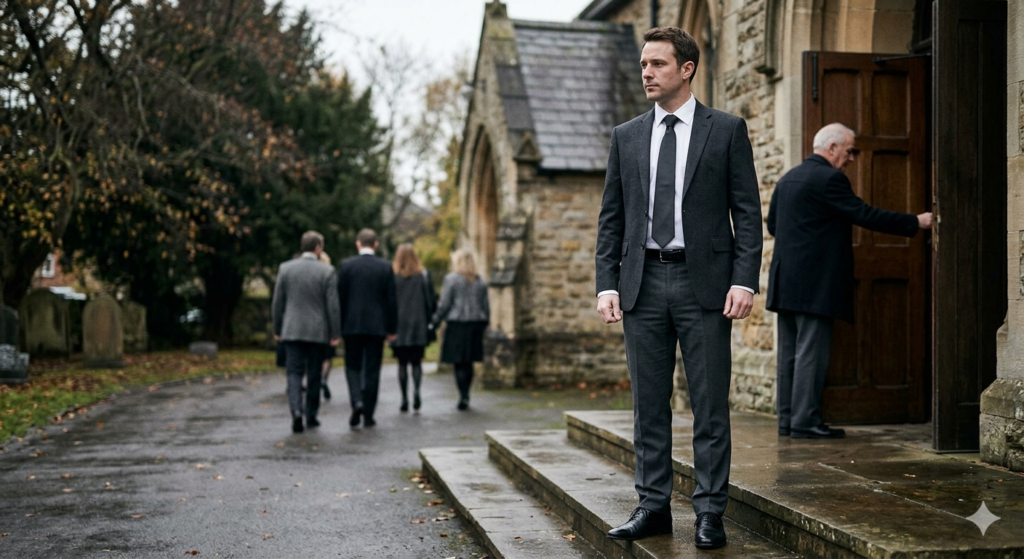
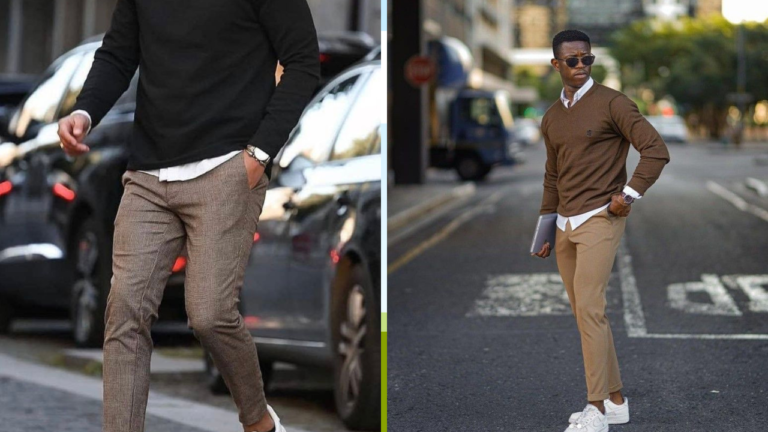
Option 1 — The dark blazer and trousers combination: A dark blazer (black or charcoal) over a white dress shirt, paired with dark trousers (not jeans), a dark tie, and black dress shoes. This reads as appropriately formal and is a widely accepted alternative to a full suit.
Option 2 — Dark dress trousers and a collared shirt: If you don’t have a blazer either, dark dress trousers, a plain white or pale blue dress shirt, a dark tie, and black dress shoes is acceptable — particularly for less formal services or when the request is simply “smart dress.” Keep everything tucked in and well-pressed.
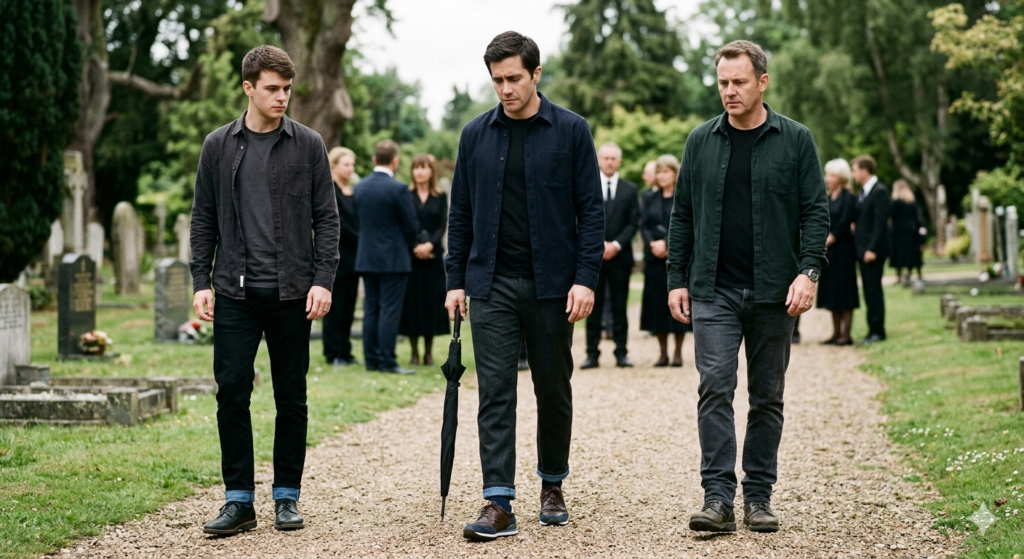
Option 3 — What to do if you have nothing: If a funeral is sudden and you genuinely have nothing appropriate, prioritize this: dark trousers over jeans, a collared shirt over a t-shirt, covered shoes over trainers, and muted colors over anything bright. Even without the ideal outfit, those choices show consideration.
What you should always avoid regardless:
- Jeans of any color or wash
- T-shirts or casual tops without a collar
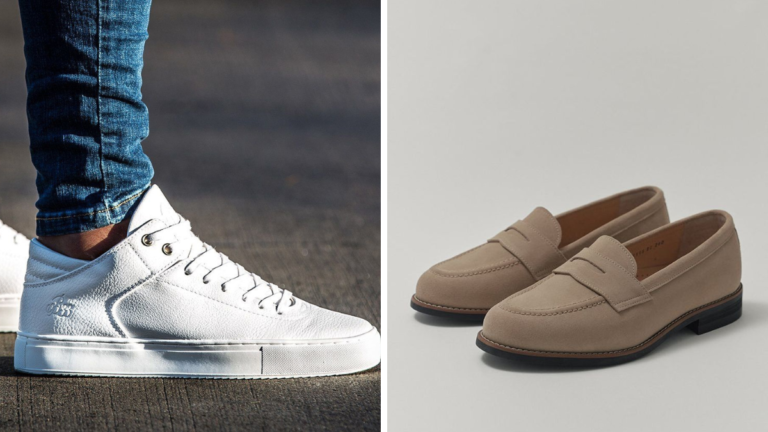
- Trainers or athletic shoes
- Bright or bold colors
- Anything casual, wrinkled, or visibly worn-out
Funeral Outfits for Different Types of Services
Traditional Religious Funeral — Church, Mosque, Synagogue, Temple
For traditional religious services, conservative is always the right call. This is generally the most formal category of funeral, and the dress code expectations tend to be higher.
What to wear: The classic dark suit, white shirt, dark tie, and black shoes as described above. For church services, this is the baseline expectation. For mosque services, note that shoes will be removed — make sure your socks are clean, dark, and in good condition. For some synagogue services, a kippah may be offered at the door and wearing one is an act of respect even if you’re not Jewish.
Key consideration: Err toward formality. If you’re unsure whether your outfit is formal enough, it almost certainly should go one level up.
Graveside or Cemetery Service
Graveside services tend to be slightly less formal in terms of venue, but the same dress code principles apply. The practical difference is that you’ll be standing on grass, potentially in uneven terrain, possibly in the wind or light rain.
What to wear: The standard dark suit outfit. Add a dark overcoat if the weather calls for it — a navy or black wool overcoat is appropriate and practical.
Practical tip: Avoid shoes with very thin soles or heels that will sink into soft ground. A clean Derby or Oxford with a standard sole is more practical than a very slim dress shoe for cemetery settings.
Celebration of Life or Non-Traditional Memorial
A growing number of families are choosing celebrations of life rather than traditional funerals — services that honor the person’s personality, passions, and spirit rather than following conventional mourning formats. These events sometimes request specific attire.
If the family requests color: Honor it. If someone loved bright yellow or asked that guests wear their favorite football team’s colors, wearing those things is a meaningful act of love. In this case, following the family’s wishes takes priority over conventional funeral dressing.
If there’s no specific request: Still lean toward smart and muted. A celebration of life doesn’t mean “anything goes.” Dark chinos, a blazer, and a collared shirt is a respectful choice that works across most non-traditional memorial settings.
Graveside Burial in a Different Climate or Season
Hot weather: A linen or lightweight cotton suit in charcoal or navy is far more appropriate than arriving visibly overheated in heavy wool. The fabric matters — you can dress respectfully and still choose something that breathes. Avoid short sleeves and shorts regardless of the temperature.
Cold weather: A dark wool overcoat over your suit is the correct choice. Avoid casual puffer jackets or anything too sporty — even in the cold, the formality of the occasion should be reflected in your outerwear.
What to Wear If You’re Part of the Family or a Pallbearer
If you’re part of the bereaved family or serving as a pallbearer, the expectation is generally the highest level of formality — and consistency matters.
Pallbearers: Traditionally wear matching or very similar attire, often coordinated with the family. If you’ve been asked to serve as a pallbearer, it’s worth checking with the family or funeral director about whether there’s a specific outfit request. In the absence of guidance, a black suit with a white shirt and dark tie is always correct.
Family members: The immediate family often wears black, and wearing the same signals your closeness and respect. Even if you’re not immediately bereaved, dressing in line with the family’s level of formality is a quiet way of showing solidarity.
Grooming and the Details That Quietly Matter
The outfit is only part of it. The overall impression you make at a funeral comes from how everything fits together — and grooming is a significant part of that.
Hair: Neat and clean. This isn’t the moment for a style experiment or letting things go. Whatever your usual grooming routine is, follow it.
Facial hair: If you have a beard, make sure it’s trimmed and tidy. A clean shave is equally appropriate. The point is intentionality — you should look like you prepared for the day.
Shoes: Polished. Always. It takes five minutes and it’s one of those details that people genuinely notice, even if they don’t consciously register it.
Cologne: Very light or none at all. Funerals are emotionally intense environments, and strong scents can be overwhelming when people are already on edge. If you wear fragrance, one spray is more than enough.
Phone: In your pocket, on silent, and ideally forgotten for the duration of the service. This is the one detail that has nothing to do with clothing and everything to do with respect.
Common Funeral Attire Mistakes Men Make
Wearing a suit that doesn’t fit. A baggy or visibly ill-fitting suit, while well-intentioned, can look careless. If you have time, check the fit before the day. If it’s been a while since you wore it, try it on the night before.
Choosing a tie that’s too casual or too colorful. A bright tie, a novelty print, or anything that looks like it belongs at a party undermines an otherwise respectful outfit. Dark and muted, always.
Wearing jeans. Even dark, clean, well-fitted jeans. For most traditional funeral services, jeans are not appropriate regardless of how they’re styled.
Forgetting about the shoes. Unpolished, casual, or visibly worn shoes are one of the most common and most noticed details that men get wrong. Shine them. Or at minimum, wipe them down properly.
Being overdressed in the wrong way. Overdressed for a funeral is almost impossible in terms of formality — but there are ways to be inappropriately dressed even in a suit. Anything flashy, showy, or attention-seeking (bright pocket square, loud tie, novelty accessories) misses the point entirely.
Wearing something strongly scented. Strong aftershave or cologne in enclosed, emotionally charged spaces is a genuine distraction. Err on the side of less.
FAQs: Funeral Attire for Men
Can men wear navy to a funeral?
Yes. Navy is a well-established and entirely appropriate color for funeral attire. It reads as formal, respectful, and appropriate across virtually all service types. Black is the most traditional choice, but navy is widely accepted and understood.
Do men have to wear a tie to a funeral?
For traditional religious services and formal funerals, a tie is generally expected. For more casual memorial services or celebrations of life, a tie may not be strictly required — but wearing one signals respect and is rarely wrong. If you’re unsure, wear one.
Can men wear grey to a funeral?
Dark grey — charcoal specifically — is appropriate. Light grey, mid-grey, or anything that reads as casual or summery is less suitable. The darker the shade, the more appropriate it is for funeral settings.
What if I don’t own any dark clothes?
Prioritize dark over formal if you have to make a choice. Dark trousers and a dark collared shirt, even without a jacket, is more appropriate than a light-colored suit. Muted, muted, muted — and press everything before you go.
Is it okay to wear a black t-shirt to a funeral?
Generally, no — particularly for traditional services. A plain black t-shirt under a dark blazer is marginally more acceptable for very informal gatherings, but for any formal service, a collared dress shirt is the minimum. If the only top you have is a t-shirt, try to borrow a shirt or visit a thrift shop the day before.
What should men wear to a funeral in hot weather?
A lightweight suit in dark grey or navy, made from linen or cotton rather than heavy wool. Avoid shorts, short sleeves, or casual summer wear regardless of the temperature. Breathable fabrics let you dress respectfully without overheating.
A Note on Dressing When You’re Grieving Too
If you’re attending as someone who’s also lost someone — not just a mourner attending out of respect but someone genuinely heartbroken — none of this should feel like pressure.
Nobody at a funeral will be judging you for not having a perfectly polished suit if you just lost someone important. The people who love you will understand. Do what you can. Show up. That’s what matters.
This guide is for when the practical question arises and you want to get it right. It’s not a standard you have to meet in order to grieve correctly or love someone properly.
Final Thoughts
Getting dressed for a funeral comes down to one principle: make your outfit invisible. You want to show respect through what you wear without ever making your clothes the thing that anyone notices or remembers.
Dark colors. Conservative choices. Good fit. Clean shoes. A quiet tie. That’s really all it takes.
The family has enough to think about. Your job is to show up looking like you understood the weight of the day — and then to be present, fully, for the people who need you there.
Because sometimes the most respectful thing you can do is simply show up looking like you cared enough to try.
Read also: