Job Interview Outfit Ideas for Men (By Industry)

You got the call. The interview is booked. And now you’re standing in front of your wardrobe at 10pm the night before, staring at a bunch of clothes you wear every day — none of which suddenly feel right.
Sound familiar?
Here’s the thing most men don’t realize until it’s too late: your job interview outfit can work for you or quietly against you before you’ve even opened your mouth. Hiring managers aren’t consciously grading your tie knot, but they are forming impressions — fast. Within the first 30 seconds, they’re reading you: Are you a fit for this team? Do you get our culture? Do you take this seriously?
The good news is, dressing well for an interview isn’t about spending a lot of money or following rigid rules. It’s about showing up dressed for the specific environment you want to work in — not just “a job interview” in the abstract.
That’s why this guide breaks things down by industry. Because what works for a law firm will get you side-eyed at a design agency. Let’s get into it.
What Should Men Wear to a Job Interview?
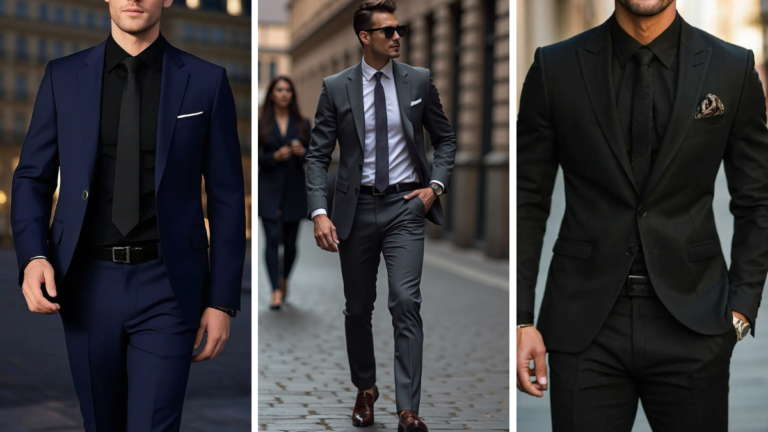
For most professional settings, men should wear a well-fitted suit in navy, charcoal, or grey with a dress shirt and polished shoes.
But the best interview outfit depends entirely on the industry — finance and law still expect full business formal, while tech startups and creative agencies are much more comfortable with smart casual.
A good rule of thumb: dress one level above what employees wear day-to-day. When in doubt, it’s always safer to be slightly overdressed than underdressed.
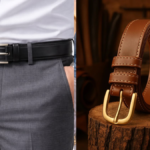
Job Interview Outfit Ideas for Men, By Industry
1. Finance, Banking & Law — The Classic Power Suit
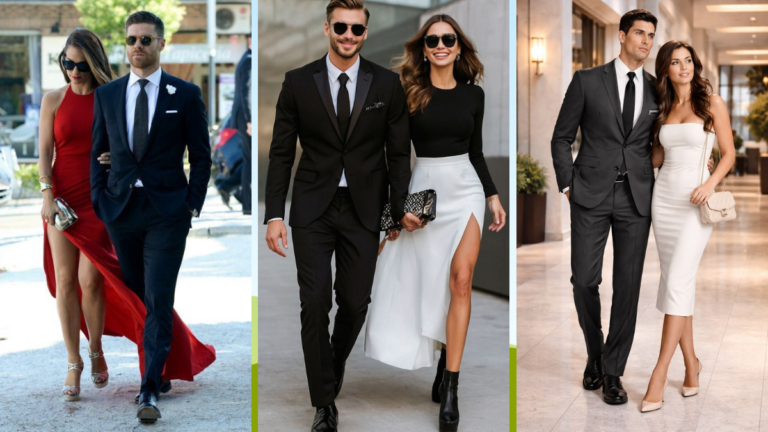
If you’re heading into a bank, a law firm, or any kind of corporate financial institution, the traditional suit is still king. And honestly, that’s not a bad thing. There’s a reason this look has survived for decades — it works.
The outfit:
- Charcoal or navy two-piece suit (slim fit, not skinny)
- White or pale blue poplin dress shirt
- Silk tie in burgundy, navy, or a subtle stripe
- Black Oxford shoes — polished, not just wiped down
- Dark socks that match your trousers (this matters more than you’d think)
Why it works: These colors are shorthand for competence and reliability. In client-facing, high-stakes environments, you want your appearance to say “I handle serious things seriously.” The suit does that without you having to say a word.
Styling tip: Resist the urge to express personality through a novelty tie or flashy cufflinks. Let the interview do that work. The outfit is just the foundation.
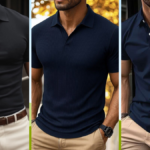
2. Tech Startups & Creative Agencies — Smart Casual with Intention
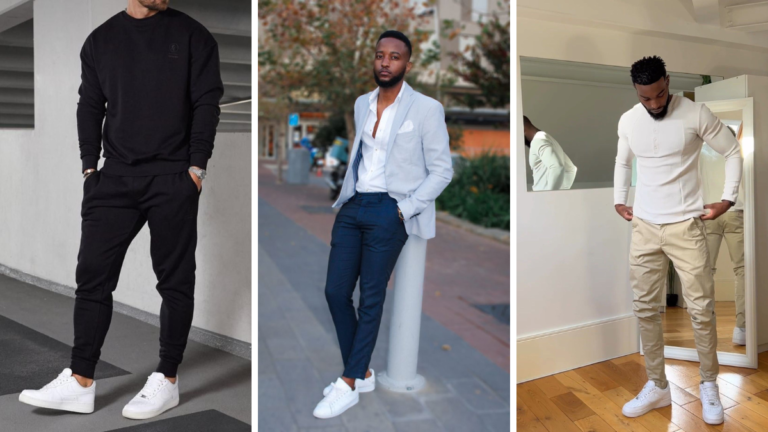
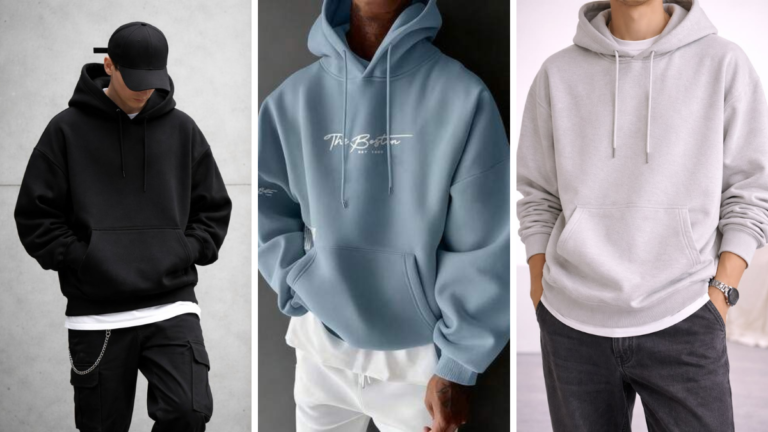
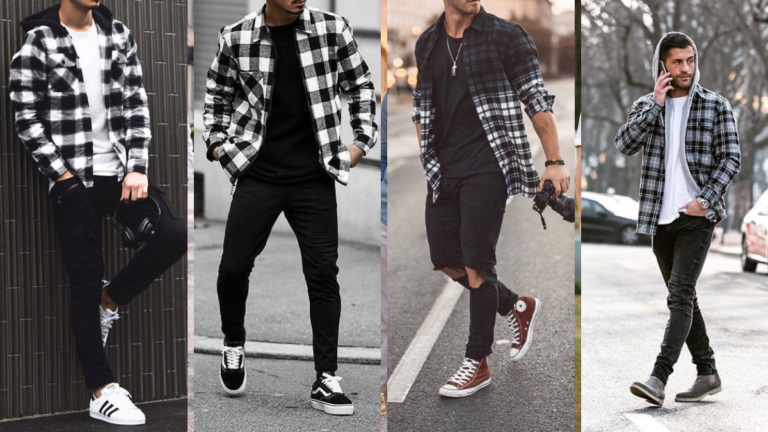
Rolling into a startup in a three-piece suit is one of the fastest ways to signal that you don’t quite get the culture. But showing up in a hoodie and joggers isn’t the answer either. The sweet spot? Smart casual that looks deliberate.
The outfit:
- Well-fitted chinos in grey, navy, or dark olive
- A clean, fitted button-down shirt (tucked is fine, untucked works too if it’s hemmed properly)
- A neat blazer in a neutral tone — navy, camel, or charcoal
- Chelsea boots or clean white leather sneakers
- A simple watch or one minimal accessory
Why it works: You look like someone who understands aesthetics without being overdressed. The blazer is doing a lot of heavy lifting here — it keeps things sharp without screaming “I’ve never worked anywhere casual in my life.”
Styling tip: Check the company’s social media before you decide. If their team photos show people in hoodies and Allbirds, you can leave the blazer in the car. But keep everything clean, fitted, and intentional.
3. Healthcare & Medical Fields — Clean, Professional, Approachable
Healthcare interviews reward a look that says “I take this seriously” without coming across as corporate or cold. Whether you’re interviewing for a clinical role or a hospital admin position, the vibe is professional but human.
The outfit:
- Well-fitted suit in navy or medium grey
- White or pale blue dress shirt
- Conservative tie — or skip it for administrative roles
- Clean leather shoes (loafers work well here)
- Minimal jewelry, nothing that draws attention
Why it works: Cleanliness and trust are everything in healthcare. Nothing wrinkled, nothing loud, nothing that distracts from the conversation. Looking consistently put-together signals that you’ll bring that same reliability to the role.
Styling tip: Go very light on cologne. In a clinical setting — or even just an office attached to one — a heavy scent can actually count against you before you’ve said hello.
4. Education & Nonprofits — Business Casual with a Warm Edge
Schools, universities, and nonprofits tend to have cultures that are professional but genuinely human. You want to look like someone students would actually approach, or a colleague who’d be easy to work with — not someone who wandered in from a Goldman Sachs board meeting.
The outfit:
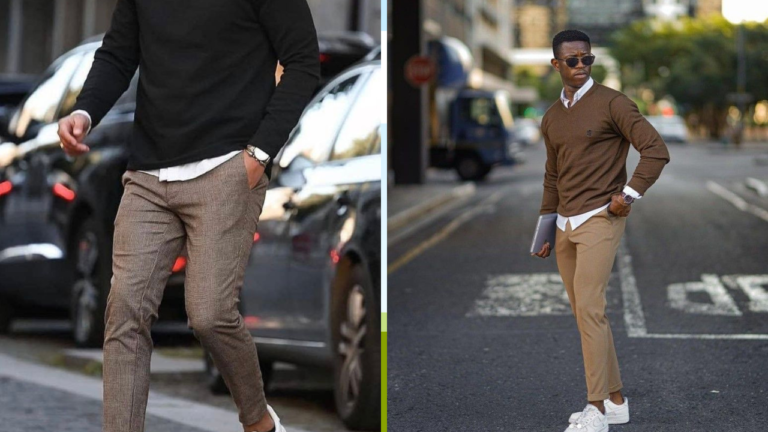
- Dark chinos or dress trousers
- A button-down shirt, tucked in
- A sport coat or blazer — herringbone or soft plaid works nicely here
- Brown or dark tan Derby shoes or loafers
- Optional: a soft-toned tie or a simple pocket square for a bit of personality
Why it works: The blazer keeps it professional; skipping the full suit keeps it from feeling stiff or corporate. If you’re interviewing for a teaching position especially, the hiring panel wants to imagine you in front of a class. You want to look like someone students would take seriously, but not be intimidated by.
Styling tip: A slightly textured blazer — tweed, soft plaid, subtle check — adds warmth and individuality without being distracting. Education and nonprofits tend to respond well to a little personality in the details.
5. Government, Civil Service & Military — Conservative and Precise
Government and civil service interviews are not the place to experiment. Panels here often consist of multiple evaluators, and there’s usually a scoring rubric involved. Your appearance is part of the overall impression, and conservative dress codes are respected for a reason.
The outfit:
- Dark charcoal or navy suit — no patterns, keep it clean
- White dress shirt
- A plain or subtly patterned tie (no novelty prints)
- Black lace-up shoes with a proper shine
- Dark dress socks
Why it works: In government contexts, conformity to professional standards isn’t limiting — it’s a signal that you understand protocol and respect the institution. Structure matters. So does precision.
Styling tip: Get your suit dry-cleaned before the interview, not just ironed at home. There’s a noticeable difference between a freshly pressed suit and one you’ve tried to freshen up with a spray bottle, and experienced panelists will notice.
6. Sales, Marketing & PR — Sharp, with a Point of View
Here’s the thing about sales and marketing: your personal presence is literally part of the job description. You’re selling yourself before you sell anything else. That means your outfit should reflect someone who understands branding — beginning with their own.
The outfit:
- Fitted suit in medium grey, deep blue, or even a subtle light blue if the company is fashion-forward
- Dress shirt with texture or a subtle pattern (a thin stripe or micro-check, not a bold print)
- Tie or open collar depending on the company’s culture
- A standout-but-tasteful shoe — monk straps, brogues, or a clean Derby in a warm brown
- One deliberate accessory: a good watch, a pocket square, or a tie bar
Why it works: You want to look like someone who pays attention to detail and has a point of view. A little personality in the accessories shows intention, not accident.
Styling tip: For B2B sales or client-facing roles, lean closer to the classic suit. For consumer brands or agencies, you have more room to express yourself. Read the room — or in this case, the company’s Instagram.
7. Engineering, Construction & Trades — Business Casual That Means Business
Nobody’s expecting a suit here. In fact, wearing a full formal suit to interview for a site manager or structural engineer role might actually signal that you’ve never actually worked on the ground. But “casual” doesn’t mean you skip the effort.
The outfit:
- Clean, dark chinos or khakis (dark navy or charcoal, not light tan)
- A fitted polo shirt or a button-down — whichever feels more natural to you
- A sport coat or neat sweater if the office side of the role warrants it
- Clean leather boots or smart casual shoes — no trainers
Why it works: You look practical and professional at the same time. The emphasis is on clean and intentional — not formal for formality’s sake.
Styling tip: Make sure your clothes are in genuinely good condition. A faded polo or frayed chinos won’t cut it even in a casual-dress industry. Pressed and clean is the minimum standard.
General Styling Tips for Any Interview Outfit
Fit beats price, every time. A $150 suit that fits you properly will always look better than a $600 one that doesn’t. If you have something you love but it’s a bit off, spend $30 on basic alterations — it’s worth it.
Shoes matter more than people think. Interviewers do notice shoes. Clean, appropriate footwear rounds off everything above it. Scuffed or wrong-for-the-outfit shoes quietly undercut an otherwise sharp look.
Safe color palette: Navy, charcoal, grey, white, light blue, and dark brown. These work across nearly every industry. Save the bolder choices for after you’ve landed the job.
Grooming is part of the outfit. Neat hair, a trimmed or clean-shaven beard, clean nails. You don’t need to look like you just stepped out of a magazine, but you do need to look like you made an effort.
One accent, not five. A nice watch, a good pocket square, or a great pair of shoes — pick one thing to subtly distinguish your look. Stacking too many accessories at once gets noisy.
Common Interview Outfit Mistakes Men Make
- Wearing a suit that doesn’t fit. Too big reads sloppy; too tight reads uncomfortable. Fit is non-negotiable.
- Misjudging the industry’s dress code. Overdressing for a startup or underdressing for a law firm both signal that you haven’t done your research.
- Forgetting about shoes. This one comes up time and again. Don’t let a great outfit get undermined by the wrong footwear.
- Not ironing or steaming your clothes. Wrinkles tell a story you don’t want told. Prep your outfit the night before.
- Too much cologne. In a small interview room, a strong scent is distracting and sometimes genuinely off-putting. A light application — one or two sprays — is plenty.
- Tie with a short-sleeve shirt. Just don’t. If you’re wearing a tie, it’s a long-sleeve situation.
- Matching your belt and shoes as an afterthought. They should always coordinate — black belt with black shoes, brown belt with brown or tan shoes. It’s a small thing that makes a big difference.
FAQs: Job Interview Outfits for Men
Can I wear a blazer without a tie to a job interview?
Yes — and in most industries today, it’s completely fine. A blazer with dress trousers or chinos and a clean button-down (no tie) reads as smart casual, which is appropriate for tech, creative, education, and many other sectors. The key is that everything else needs to be sharp enough to make it look deliberate.
Is a navy suit a good choice for a job interview?
Absolutely. Navy is arguably the most versatile interview suit color you can own. It’s professional, approachable, and works across almost every industry. Pair it with a white or light blue shirt, and either a burgundy tie or no tie depending on the culture.
What shoes should I wear to a job interview?
For formal settings: Oxford or Derby shoes in black or dark brown, polished. For smart casual settings: Chelsea boots or clean leather brogues. For casual-leaning workplaces: clean, minimalist leather shoes (think low-key sneakers like white leather, not chunky athletic trainers). Whatever you choose — clean them the night before.
Should men always wear a suit to a job interview?
Not always. A suit is the safe default for finance, law, government, and similar industries — but it can actually work against you in casual-culture environments. Check the company’s website and social media first. If you’re still unsure, smart casual with a blazer hits the middle ground without committing either way.
Can I wear chinos to a job interview?
Yes, in many fields. Dark navy or charcoal chinos with a button-down and a blazer is a solid interview outfit for tech, education, engineering, nonprofits, and creative roles. Just make sure they’re pressed, well-fitted, and paired with appropriate shoes — not casual trainers.
Final Thoughts
Here’s the simplest way to think about all of this: your interview outfit isn’t supposed to make people think about your clothes. It’s supposed to make people think about you.
When you’re dressed right for the room you’re walking into, your outfit quietly fades into the background and lets the conversation be the main event. That’s exactly what you want. The goal isn’t to impress anyone with your fashion sense — it’s to remove any friction between you and the job.
Pick your outfit the night before. Hang it up. Shine your shoes. And then walk in focused on what you actually went there to do.
The clothes will take care of themselves.
Read also: